Explore patient-focused design, clinical innovation, and real stories improving everyday care.
Brahmi is one of the best-known herbs in traditional Ayurveda and has long been associated with memory, learning, concentration, mental clarity, and emotional balance. It has traditionally been included in Ayurvedic formulations and wellness routines intended to support healthy mental function. The Ayurvedic health benefits of Brahmi are commonly discussed in relation to memory, concentration, […]
Read More โ
Coconut oil has been used for generations in traditional food, personal care, and wellness practices. In Ayurveda, coconut and coconut-based preparations are traditionally valued for their cooling, soothing, and nourishing qualities and are incorporated into dietary and external self-care routines. The Ayurvedic health benefits of coconut oil are traditionally discussed in relation to nourishment, skin […]
Read More โ
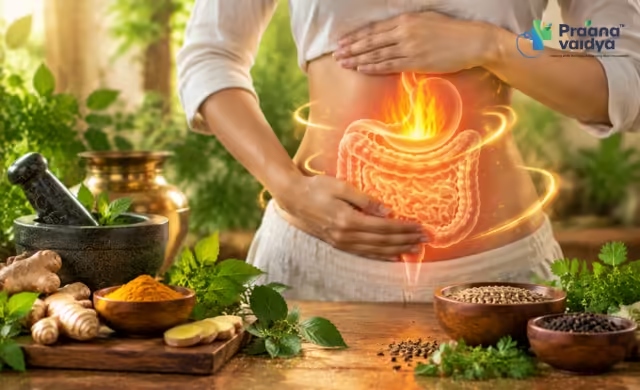
Fasting has been practised in different cultures for centuries, and Ayurveda approaches it through a broader framework that considers digestion, Agni, individual constitution, season, daily routine, and current health status. Ayurvedic therapeutic fasting refers to traditional dietary practices that temporarily reduce or simplify food intake. Depending on the individual, this may involve eating lighter meals, […]
Read More โ
Food is more than a source of calories. It provides the body with nutrients, supports physical activity, contributes to growth and repair, and plays an important role in everyday wellbeing. Ayurveda approaches food from another angle as well, considering how food, digestion, lifestyle, season, and individual constitution interact. This broader approach is often described as […]
Read More โ
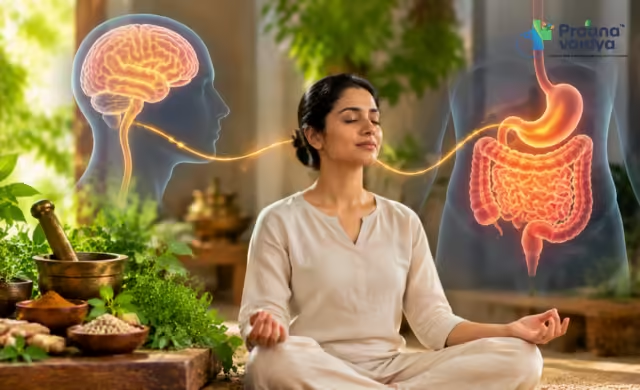
The relationship between the mind and body is an important theme in Ayurveda. Rather than viewing mental wellbeing as something completely separate from physical health, Ayurveda traditionally considers the two to be closely connected through diet, lifestyle, sleep, digestion, emotions, sensory experiences, and daily habits. The traditional understanding of mind and Ayurveda includes concepts such […]
Read More โ
Garlic is one of the most familiar ingredients in traditional Indian kitchens, but its history extends well beyond cooking. Known as Lasuna or Lashuna in Ayurveda, garlic has traditionally been valued for its pungent nature, warming qualities, and strong aromatic character. Ayurvedic texts and traditions have used garlic in dietary and medicinal preparations, particularly in […]
Read More โ
Clove is a small spice with a remarkably strong aroma and a long history of culinary and traditional use. Known as Lavanga or Lavang in Ayurveda, clove has traditionally been valued for its warming, aromatic, and stimulating qualities. It is commonly used in Indian cooking, spice blends, traditional beverages, and selected Ayurvedic preparations. Its distinctive […]
Read More โ
Sandalwood, traditionally known as Chandana or Chandan, has held a distinctive place in Ayurvedic traditions for centuries. Its naturally fragrant wood and cooling qualities have made it a familiar ingredient in traditional skin-care preparations, aromatic practices, and selected Ayurvedic formulations. Unlike many modern beauty ingredients that are promoted for a single purpose, sandalwood has traditionally […]
Read More โ
Ashwagandha is one of the best-known herbs associated with Ayurveda. Traditionally known as Ashwagandha or Withania somnifera, it has been used in Ayurvedic practice as a Rasayana, a category of preparations traditionally associated with nourishment, vitality, resilience, and healthy ageing. The growing popularity of Ashwagandha has also brought many modern claims about stress, sleep, energy, […]
Read More โ