Leg pain, visible swollen veins, heaviness, burning sensation, cramps, itching, skin discoloration, and fear of surgery often persist because treatment focuses only on compression or surgical removal, not venous health.
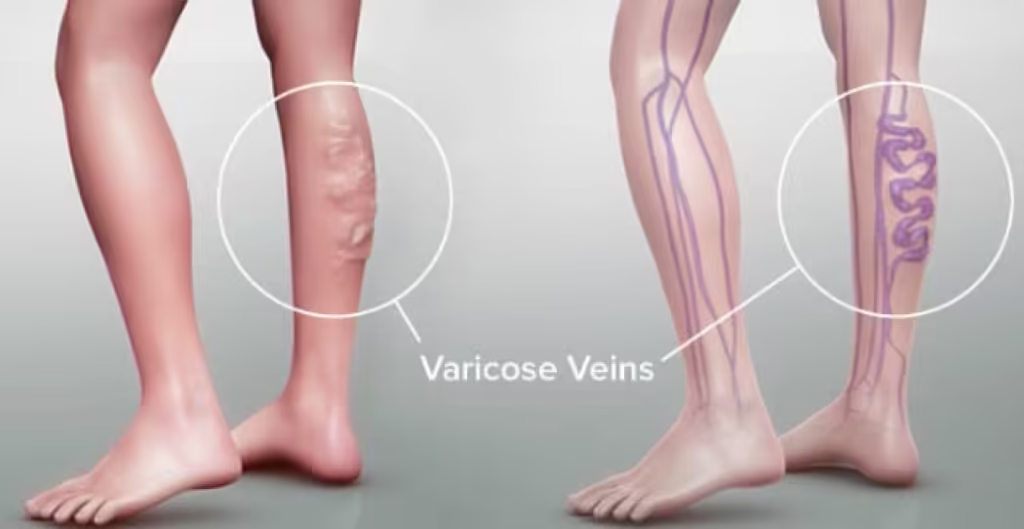
Varicose veins develop due to poor circulation, weakened vein walls, valve dysfunction, prolonged standing or sitting, excess pressure in veins, digestion imbalance, toxin accumulation, and lifestyle factors.
Ayurveda treats varicose veins by improving venous circulation, strengthening vessel walls, correcting blood flow, and preventing progression naturally.
At Praanavaidya, varicose vein management is a physician guided Ayurvedic vascular care program aimed at symptom relief, vein strengthening, and long term prevention.
Each patient undergoes a detailed assessment including vein severity, symptoms, standing habits, circulation status, digestion, metabolism, skin changes, and lifestyle before treatment planning.
Get Consultation Now โEach care plan is individually designed and may include:
When clinically indicated, doctors may advise:
Treatment focuses on slowing or halting progression through:
Continuous physician supervision ensures:
Let Ayurveda at Praanavaidya nurture your body, calm your mind, and uplift your spirit.
Our team consists of dedicated healthcare professionals, medical writers, and technology experts who work tirelessly to create and curate trustworthy content.
Discover comprehensive healthcare solutions tailored to your needs, including
preventive care, advanced treatments, and personalized support for a healthier life.
An anal fistula is a condition that can significantly affect daily comfort and quality of life. Symptoms such as persistent discharge, discomfort while sitting, swelling near the anal region, and repeated infections may cause physical distress and inconvenience. In Ayurveda, anal fistula is described as Bhagandara, a condition involving an abnormal pathway or tract formed […]
Read More โ
One of the most common questions people ask before beginning Ayurvedic detoxification is how often to do Panchakarma. Some believe it should be done every month, while others think a single session is enough for life. In reality, there is no one-size-fits-all answer. According to Ayurveda, the frequency of Panchakarma depends on several factors, including […]
Read More โ
Joint stiffness, muscle pain, and swelling can make everyday activities difficult, whether climbing stairs, walking, or simply getting out of bed. While medications may help manage symptoms, many people also seek traditional therapies that support pain relief and improve mobility naturally. One such therapy in Ayurveda is Valuka Sweda, a specialised form of Swedana (sudation […]
Read More โ