Panchakarma is often discussed as though it were one standard programme that anyone can undertake. In practice, it involves different Ayurvedic procedures, and the choice and intensity can vary from person to person. The more useful question is not simply “Can I do Panchakarma?” but “Is it appropriate for me right now, and which procedures are suitable?”
Some situations may call for caution, postponement or a modified approach. This guide explains common factors to discuss before starting Panchakarma without treating a general checklist as a substitute for individual assessment.
Considering Panchakarma?
What Does “Who Should Not Do Panchakarma?” Really Mean?
There is no single fixed list of people who must never undergo Panchakarma. Suitability is more individual.
Age, current health, recent medical events, medicines, pregnancy status and the specific therapy being considered can all be relevant. Do not select a Panchakarma programme simply because it worked for someone else. A qualified practitioner can review the situation and decide whether to proceed, modify the programme or wait.
Conditions and Situations That May Need Caution
Pregnancy
Pregnancy is a situation where Panchakarma should not be treated as a routine wellness programme. Certain procedures may not be suitable during pregnancy, so the timing and type of care require careful consideration.
Anyone who is pregnant or planning pregnancy should disclose this before discussing Panchakarma. A programme recommended for another adult should not automatically be assumed to be appropriate during pregnancy.
Very Young Children
Children are not simply smaller adults. Their age, development, dietary needs and ability to communicate discomfort are different.
Adult-style Panchakarma should not be chosen for a child without appropriate assessment. If Panchakarma-related care is being considered, discuss it with a practitioner experienced in age-appropriate Ayurvedic care.
Older Adults or People With Low Strength
Age alone does not automatically make Panchakarma unsuitable. However, older adults and people who feel physically weak may need a more carefully planned approach.
Current condition, daily routine, food intake and ability to follow the programme should be considered before any procedure is suggested.
Fever or an Acute Illness
If someone is currently dealing with fever, an acute illness or significant physical discomfort, starting a planned Panchakarma programme may need to be postponed.
Panchakarma should not be used as a reason to delay evaluation of a new or unexplained health problem. If you are unwell, discuss the situation with an appropriate healthcare professional and the Ayurvedic practitioner before beginning a programme.
Recent Surgery or Significant Injury
Recent surgery, injury or a period of recovery is another reason to seek individual guidance before starting Panchakarma.
Some therapies involve massage, heat, movement, dietary changes or other forms of physical participation. Whether and when these are appropriate can depend on the procedure or injury and the stage of recovery.
Significant Weakness, Dehydration or Poor Food Intake
Someone already experiencing weakness, poor food intake or dehydration should not assume that an intensive Ayurvedic programme is suitable.
Mention recent changes in appetite, hydration, energy or general wellbeing during consultation. The practitioner can then decide whether the plan should proceed, be modified or wait.
People Taking Regular Medicines
If you take prescription medicines, over-the-counter medicines or supplements, mention them during your consultation.
This does not automatically mean Panchakarma is unsuitable. It means the practitioner should know what you are taking before suggesting dietary changes, routines or procedures. Do not stop or change prescribed medicines on your own because you are preparing for Panchakarma.
Uncontrolled or Changing Health Conditions
A newly diagnosed, changing or actively managed health condition deserves extra attention before starting Panchakarma.
Instead of choosing a generic package, share your current health information and ask whether the proposed programme is appropriate at that time.
Why Panchakarma Should Be Individualised
A common misunderstanding is that everyone should follow the same Panchakarma schedule.
A personalised approach considers:
- Current health status and relevant history
- The purpose of the proposed programme
- Which Panchakarma procedures are being considered
- Any preparation that may be required
- Medicines, dietary requirements or recent procedures
- Whether the person can comfortably follow the recommended routine
Panchakarma is not one single procedure. A programme involving Basti is different from one involving Virechana, Nasya or other Ayurvedic therapies. Suitability therefore needs to be considered in relation to the actual programme.
Questions to Ask Before Starting Panchakarma
Which procedures are being recommended?
Ask for the names of the therapies and what each one involves. You should understand the basic process before agreeing to a programme.
Why has this programme been suggested?
Ask about the intended purpose and why the proposed approach is considered suitable for your current situation.
Do I need preparation?
Ask whether there are preparatory steps and what you will need to do before the programme begins.
Should I mention my medicines and previous procedures?
Yes. Provide a current list of medicines, supplements and relevant health history.
What should I report during the programme?
Ask what changes in your condition or wellbeing should be reported before or during the programme.
When Should You Postpone Panchakarma?
There is no single calendar-based answer for everyone. The decision depends on the person’s current situation and the specific programme being considered.
Seek individual guidance before proceeding if you are:
- Currently unwell or recovering from an acute illness
- Pregnant or planning pregnancy
- Recovering from surgery or a significant injury
- Experiencing unusual weakness or poor food intake
- Managing a recently changed health condition
- Taking regular medicines and unsure how the programme fits your routine
- Unsure which Panchakarma procedure is being recommended
The purpose is not to create fear around Panchakarma. It is to encourage informed and individualised decision-making.
Can Everyone Do Panchakarma?
No online checklist can determine whether Panchakarma is suitable for every person.
One person may be considered for a particular Ayurvedic therapy while another may need a different approach. A programme that is suitable at one point in life may also need to be postponed or modified later.
That is why consultation matters more than choosing a programme based only on duration, popularity or another person’s experience.
Praanavaidya and Panchakarma
At Praanavaidya, Panchakarma can be approached as a structured Ayurvedic programme rather than a one-size-fits-all routine. The discussion should begin with understanding the person’s needs, relevant health history and the therapies being considered.
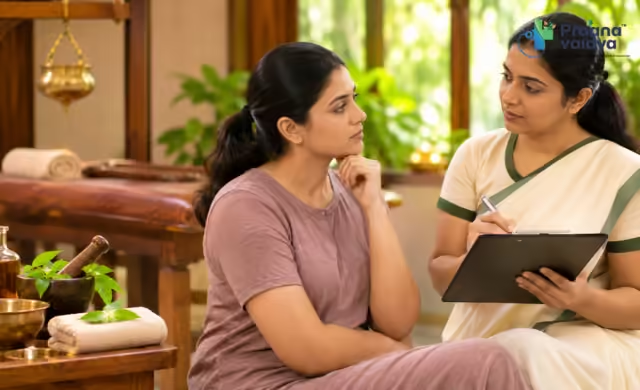
If you are considering Panchakarma, use the consultation to understand whether the programme is suitable for you, what preparation is involved and which therapies are being proposed.
Final Takeaway
The question “Who should not do Panchakarma?” does not have a useful one-line answer.
Pregnancy, childhood, older age, acute illness, recent surgery, significant weakness, regular medicines and changing health conditions are among the situations that may require additional caution or a modified plan. The specific Panchakarma procedure also matters.
Do not copy another person’s Panchakarma schedule. Share your current health information, ask which therapies are being recommended and make the decision with appropriate professional guidance.
Thinking about Panchakarma? Connect with Praanavaidya for a personalised consultation at a centre in
Rajajinagar- 08065903133
Hubballi – 08065903145
Indiranagar- 08065903135
Mumbai-08065903118
Yelahanka- 08065903134
Mangaluru-08065903136
Jayanagar- 08065903132
Delhi-08065903140
Lucknow-08065903130
FAQ Section
Who should not do Panchakarma?
Panchakarma may not be suitable for everyone. Pregnancy, childhood, acute illness, recent surgery, significant weakness and changing health conditions are situations that may need individual assessment.
Can pregnant women do Panchakarma?
Pregnancy requires particular caution. Panchakarma should not be treated as a routine programme during pregnancy without individual guidance about the specific therapies being considered.
Can children undergo Panchakarma?
Children need age-appropriate assessment. Adult-style Panchakarma should not be assumed to be suitable for a child.
Should older adults avoid Panchakarma?
Older age alone does not automatically rule it out, but the programme may need to be considered carefully in relation to current health, strength and daily routine.
Can I do Panchakarma while taking medicines?
Tell the practitioner about all prescription medicines, over-the-counter medicines and supplements. Do not stop or change prescribed medicines on your own.
Should Panchakarma be postponed during fever or acute illness?
If you are currently unwell or recovering from an acute illness, seek individual guidance before starting a planned Panchakarma programme.
Is Panchakarma the same for everyone?
No. Panchakarma includes different procedures, so the appropriate approach can vary according to the person and the specific programme being considered.
Praanavaidya
Healthcare Professional
Focused on patient-centric care and evidence-based treatment plans.
More from Praanavaidya