Explore patient-focused design, clinical innovation, and real stories improving everyday care.
Cinnamon is more than a familiar kitchen spice. Known as Dalchini in traditional Indian systems of medicine, cinnamon has been used for generations in food, beverages, and traditional herbal preparations. Its warm aroma and distinctive flavour make it a common ingredient in Indian cooking, while Ayurveda traditionally describes cinnamon in relation to digestion, metabolism, Kapha-related […]
Read More โ
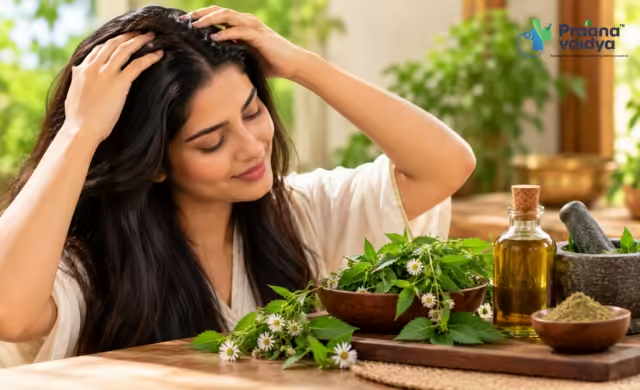
The monsoon season can bring a noticeable change in scalp and hair conditions. Increased humidity, frequent sweating, rainwater exposure, damp hair, and changes in hair-washing routines can make the scalp feel oily, itchy, or uncomfortable. For some people, these changes can also make dandruff in monsoon more noticeable. Ayurveda approaches seasonal changes through the concept […]
Read More โ
Weight management is often approached through calorie counting, restrictive diets, intense workouts, or short-term weight-loss products. Ayurveda takes a different perspective. Traditional Ayurvedic health principles consider digestion, metabolism, diet, physical activity, daily routine, sleep, and individual constitution when discussing healthy body weight. The Ayurvedic treatment for weight loss is therefore not necessarily about following one […]
Read More โ
Sabja seeds, also known as basil seeds or Tukmaria, are small black seeds traditionally used in Indian diets and Ayurvedic practices. When soaked in water, they develop a characteristic gel-like coating, which makes them popular in beverages and traditional preparations. From an Ayurvedic perspective, food choices are considered in relation to digestion, individual constitution, season, […]
Read More โ
Ayurveda and yoga share several traditional concepts related to the relationship between the body, mind, consciousness, and overall wellbeing. Among these concepts are chakras, which are described in yogic and Tantric traditions as subtle energy centres associated with different aspects of human experience. Although the chakra system is not the same as the Ayurvedic Dosha […]
Read More โ
Among the many traditional Ayurvedic formulations, Triphala is one of the best-known. Its name literally refers to a combination of three fruits, traditionally used together rather than as individual herbs. Triphala is commonly associated with digestive wellbeing, bowel regularity, and traditional rejuvenative care. However, its Ayurvedic use goes beyond simply taking it for constipation. The […]
Read More โ
When people explore traditional and complementary healthcare options, Ayurveda vs Homeopathy is a common comparison. Both systems have long histories and use individualised approaches, but their underlying philosophies, treatment principles, medicines, and methods of assessment are different. Ayurveda is an ancient Indian system of health that traditionally looks at the relationship between the Doshas, digestion, […]
Read More โ
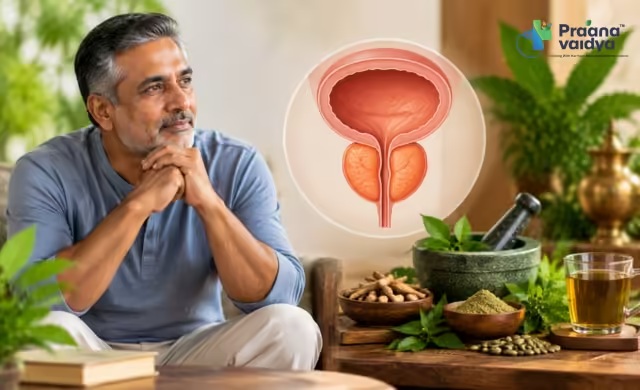
Erectile dysfunction (ED) refers to difficulty achieving or maintaining an erection adequate for intimate activity. It may occur occasionally or become a persistent concern. While erectile difficulties can become more common with age, they may also be influenced by stress, poor sleep, lifestyle habits, certain medications, diabetes, cardiovascular conditions, hormonal changes, and other health concerns. […]
Read More โ
Ayurveda includes several traditional external therapies that use herbal preparations in different ways. Kashaya Dhara is one such therapy in which a prepared herbal liquid, usually a decoction, is poured or allowed to flow continuously over a selected area of the body for a prescribed period. Unlike oil-based Dhara therapies, Kashaya Dhara uses a medicated […]
Read More โ