Explore patient-focused design, clinical innovation, and real stories improving everyday care.
Pigmentation on face can appear as dark patches, brown marks, uneven skin tone, or areas that look darker than the surrounding skin. Sun exposure, acne, inflammation, hormonal changes, and certain skin conditions can all contribute to facial pigmentation. Ayurveda approaches skin concerns from a broader perspective. Instead of focusing only on the visible pigmentation, an […]
Read More โ
An anal fissure can make something as routine as passing stool extremely uncomfortable. Pain during bowel movements, burning afterwards, and fear of passing stool can become part of a cycle that is difficult to break. In many cases, hard stools and repeated straining are important contributors. When constipation continues, the injured area may repeatedly experience […]
Read More โ
Heat has been used in traditional wellness practices for centuries. In Ayurveda, therapeutic heat is approached through a specialised practice known as Swedana. The word Swedana is associated with sweating or perspiration. In Ayurvedic therapy, it refers broadly to methods used to induce controlled sweating through heat, steam, warm herbal preparations, or other prescribed techniques. […]
Read More โ
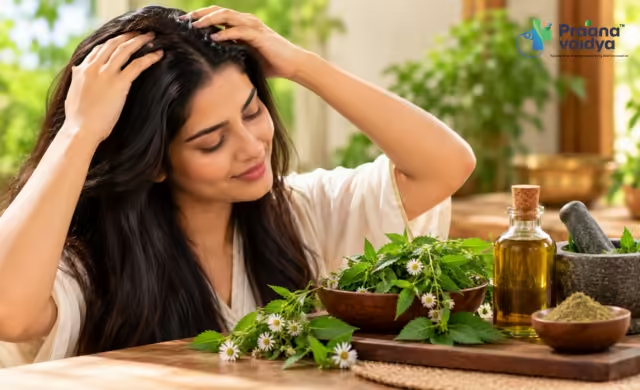
A few minutes of gentle head massage can turn an ordinary evening into a calming self-care ritual. In Ayurveda, this idea is taken further through Shiro Abhyanga, a traditional oil massage practice involving the head and scalp. The practice is traditionally associated with relaxation, scalp nourishment, and supporting a balanced daily routine. Unlike a modern […]
Read More โ
Skin care does not always have to involve complicated routines or a long list of products. Sometimes, simple practices that have been used traditionally can become meaningful additions to everyday self-care. Ayurvedic face massage is one such practice. Known in the broader Ayurvedic tradition as part of Mukha Abhyanga and related self-care practices, facial massage […]
Read More โ
Eating is something we do every day, often several times a day. Yet how often do we actually pay attention to the experience of eating? A meal may be consumed while scrolling through a phone, answering emails, watching television, travelling, or rushing between tasks. Sometimes we continue eating even after feeling full simply because the […]
Read More โ
Why does one person feel energetic and balanced while another experiences digestive discomfort, disturbed sleep, heaviness, dryness, or mental restlessness? Ayurveda approaches this question by looking at more than individual symptoms. It considers a person’s natural constitution as well as the changes occurring in the body and mind at a particular point in life. This […]
Read More โ
Do you naturally prefer a slower, steady pace? Do you tend to have a stable appetite but sometimes feel heavy or sluggish after meals? Perhaps you sleep deeply, have good physical endurance, and prefer familiar routines. In Ayurveda, these characteristics may be associated with Kapha dosha. Kapha is one of the three fundamental Doshas described […]
Read More โ
Health is often associated with major decisions: changing your diet, starting an exercise programme, taking supplements, or undergoing treatment when something goes wrong. Ayurveda looks at health differently. Instead of waiting for illness to appear, it gives considerable importance to what you do every day. When you wake up, when you eat, how you maintain […]
Read More โ