Ayurveda and yoga share several traditional concepts related to the relationship between the body, mind, consciousness, and overall wellbeing. Among these concepts are chakras, which are described in yogic and Tantric traditions as subtle energy centres associated with different aspects of human experience. Although the chakra system is not the same as the Ayurvedic Dosha […]
Read More โ
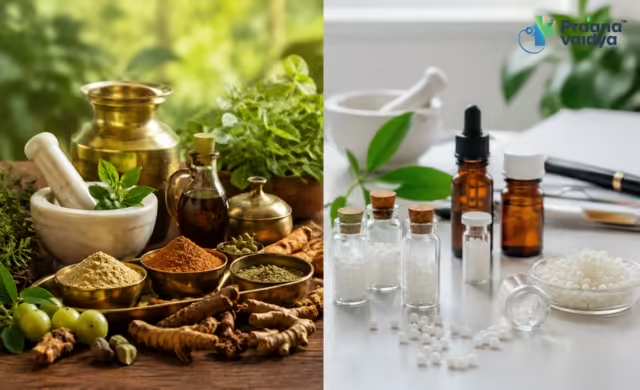
When people explore traditional and complementary healthcare options, Ayurveda vs Homeopathy is a common comparison. Both systems have long histories and use individualised approaches, but their underlying philosophies, treatment principles, medicines, and methods of assessment are different. Ayurveda is an ancient Indian system of health that traditionally looks at the relationship between the Doshas, digestion, […]
Read More โ
Ayurvedic principles form the foundation of one of India’s traditional systems of health and wellness. Rather than focusing only on individual symptoms, Ayurveda traditionally looks at the person as a whole and considers factors such as constitution, diet, digestion, lifestyle, environment, sleep, and daily routine. The central idea is that health involves maintaining an appropriate […]
Read More โ
Yoga and Ayurveda are two traditional Indian systems that have long been associated with physical, mental, and lifestyle well-being. Although they have different primary focuses, they can complement each other when incorporated thoughtfully into everyday life. Ayurveda traditionally focuses on maintaining health through personalised approaches involving diet, daily routines, seasonal practices, lifestyle, and consideration of […]
Read More โ
Nadi Pariksha is a traditional Ayurvedic method of health assessment that involves examining the pulse at the wrist. In Ayurveda, the pulse is traditionally assessed along with other observations to understand an individual’s Prakriti (natural constitution) and Vikriti (current state of imbalance). Unlike simply checking the pulse rate, traditional Ayurvedic pulse diagnosis involves observing qualities […]
Read More โ
Skin care does not always have to involve complicated routines or a long list of products. Sometimes, simple practices that have been used traditionally can become meaningful additions to everyday self-care. Ayurvedic face massage is one such practice. Known in the broader Ayurvedic tradition as part of Mukha Abhyanga and related self-care practices, facial massage […]
Read More โ
Health is often associated with major decisions: changing your diet, starting an exercise programme, taking supplements, or undergoing treatment when something goes wrong. Ayurveda looks at health differently. Instead of waiting for illness to appear, it gives considerable importance to what you do every day. When you wake up, when you eat, how you maintain […]
Read More โ
Reduce body heat naturally is a common concern during the hot summer months. Many people experience excessive sweating, acidity, skin rashes, headaches, fatigue, burning sensations, or dehydration when temperatures rise. While staying hydrated is important, Ayurveda believes that managing excess body heat requires balancing the body’s internal systems rather than simply drinking cold beverages. At […]
Read More โ
Sabja seeds benefits have been recognized in Ayurveda for centuries. Also known as sweet basil seeds, these tiny black seeds are valued for their cooling nature, digestive support, and ability to promote overall wellness. While many people add them to summer drinks and desserts, Ayurveda considers sabja seeds much more than a seasonal ingredient. At […]
Read More โ