Erectile dysfunction (ED) refers to difficulty achieving or maintaining an erection adequate for intimate activity. It may occur occasionally or become a persistent concern. While erectile difficulties can become more common with age, they may also be influenced by stress, poor sleep, lifestyle habits, certain medications, diabetes, cardiovascular conditions, hormonal changes, and other health concerns.
In Ayurveda, male reproductive health is traditionally viewed as part of overall physical and mental wellbeing rather than as an isolated concern. Ayurvedic treatment for erectile dysfunction may therefore involve an assessment of digestion, lifestyle, sleep, stress, physical strength, reproductive health, and individual constitution.
A traditional Ayurvedic approach may include dietary guidance, lifestyle modifications, selected herbal preparations, and therapies associated with Vajikarana, an Ayurvedic branch traditionally associated with reproductive health, vitality, and strength.
At Praanavaidya, an Ayurvedic consultation can help assess individual factors and determine whether traditional approaches are appropriate for supporting erectile and reproductive health.
What Is Erectile Dysfunction?
Erectile dysfunction is the persistent or recurring difficulty in achieving or maintaining an erection sufficient for satisfactory intimate activity.
Occasional difficulty does not necessarily indicate erectile dysfunction. Tiredness, anxiety, stress, alcohol consumption, poor sleep, and temporary lifestyle changes can affect erectile function.
Persistent erectile difficulties, however, deserve attention because they can sometimes be associated with an underlying health condition.
Possible contributing factors include:
- Diabetes
- High blood pressure
- Cardiovascular disease
- Obesity
- Hormonal changes
- Nerve disorders
- Medication side effects
- Psychological stress
- Anxiety or low mood
- Relationship difficulties
Understanding the possible underlying cause is an important part of responsible care.
What Is Vajikarana in Ayurveda?
Vajikarana is one of the traditional branches of Ayurveda associated with reproductive health, vitality, fertility, physical strength, and healthy intimate function.
Traditional Vajikarana approaches may focus on supporting:
- Reproductive wellbeing
- Physical vitality
- Strength and stamina
- Healthy reproductive function
- Overall wellbeing
Vajikarana is not simply about taking an herbal supplement for performance.
Traditional Ayurvedic care may first consider an individual’s constitution, digestion, lifestyle, mental wellbeing, physical strength, and overall health before selecting an appropriate approach.
Why Digestion Matters in Ayurvedic Treatment for Erectile Dysfunction
Digestion, or Agni, is an important concept in Ayurveda.
Traditional Ayurvedic principles consider healthy digestion and proper nourishment important for supporting the body’s tissues and overall vitality.
Irregular meals, poor dietary habits, excessive processed foods, overeating, and unsuitable food combinations may affect digestive wellbeing.
Therefore, an Ayurvedic approach to erectile health may begin by improving everyday dietary and digestive habits rather than immediately focusing on performance-oriented remedies.
Ayurvedic Dietary Approach for Reproductive Wellness
There is no single Ayurvedic diet that applies to every person experiencing erectile difficulties.
Dietary recommendations may depend on:
- Prakriti
- Vikriti
- Age
- Digestive capacity
- Activity level
- Existing health conditions
- Seasonal factors
In general, a balanced diet containing adequate protein, vegetables, fruits, whole grains, healthy fats, and sufficient fluids can support overall health.
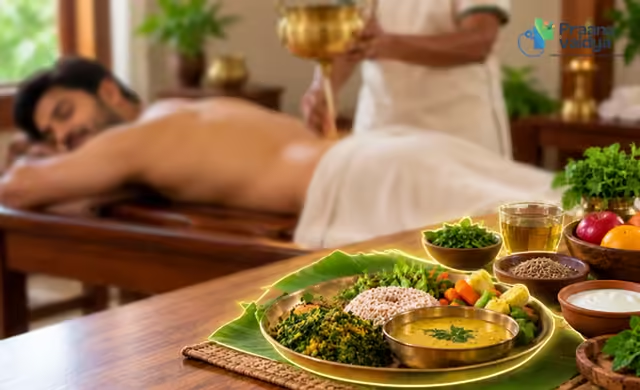
Traditional Ayurvedic dietary guidance may also emphasise freshly prepared meals, appropriate portions, regular eating patterns, and foods that are comfortable to digest.
Limiting excessive alcohol and highly processed foods may also support general health and wellbeing.
Ayurvedic Herbs Traditionally Associated With Male Reproductive Health
Several herbs have traditionally been used in Ayurveda in the context of vitality, strength, reproductive wellbeing, and general nourishment.
Examples include:
Ashwagandha
Ashwagandha is traditionally regarded as a rejuvenative herb and is commonly used in Ayurvedic approaches related to strength, stress management, stamina, and vitality.
Shatavari
Although commonly associated with women’s health, Shatavari also has a broader traditional role as a nourishing Ayurvedic herb.
Kapikacchu
Kapikacchu, traditionally known as Mucuna pruriens, has been used in Ayurvedic formulations associated with reproductive and nervous-system health.
Gokshura
Gokshura is traditionally used in Ayurvedic practice in relation to urinary and reproductive wellbeing.
Safed Musli
Safed Musli is traditionally used in some Ayurvedic preparations associated with strength, stamina, and vitality.
However, the presence of an herb on this list does not mean that it is appropriate for everyone experiencing erectile difficulties.
Herbs can have active effects and may interact with medications or be unsuitable for people with certain health conditions. They should therefore be selected and used under appropriate professional guidance.
Can Ayurveda Help With Stress-Related Erectile Difficulties?
Stress and performance anxiety can contribute to erectile difficulties.
When a person experiences persistent worry or anxiety, it may become more difficult to achieve or maintain an erection.
Ayurvedic lifestyle approaches may include:
- Meditation
- Yoga
- Pranayama
- Regular sleep
- Relaxation practices
- Appropriate exercise
- Balanced daily routines
These practices may support general stress management and overall wellbeing.
If anxiety, low mood, or relationship difficulties continue for an extended period, counselling or appropriate professional support can also be valuable.
Ayurvedic Therapies for Male Wellness
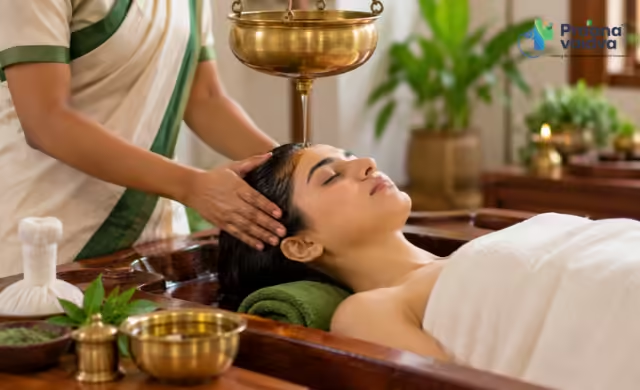
Depending on individual assessment, Ayurvedic care may incorporate traditional therapies intended to support relaxation, strength, vitality, and overall wellbeing.
These may include:
- Abhyanga
- Swedana
- Shiro Abhyanga
- Selected rejuvenative therapies
- Yoga and breathing practices
Not every therapy is appropriate for every person.
The purpose of personalised Ayurvedic care is not simply to increase the number of treatments but to select an appropriate combination according to the individual’s needs and overall health.
Can Ayurveda Cure Erectile Dysfunction?
It is not appropriate to guarantee that Ayurveda can permanently cure erectile dysfunction.
The outcome depends largely on the underlying cause.
For some people, lifestyle changes and management of contributing factors may support improved erectile function. Others may require medical treatment for conditions such as diabetes, hormonal problems, cardiovascular disease, or medication-related erectile difficulties.
Ayurvedic approaches may be explored as complementary care, but they should not replace necessary medical diagnosis or treatment.
How Praanavaidya Approaches Ayurvedic Care for Erectile Dysfunction
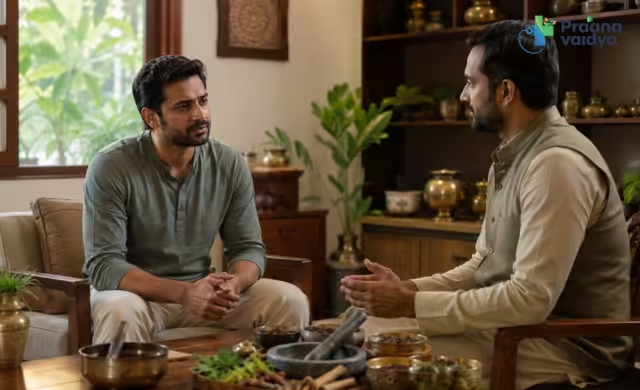
At Praanavaidya, Ayurvedic consultation focuses on understanding the individual rather than treating erectile difficulties with a standard remedy.
The consultation may consider:
- Constitution
- Current Dosha status
- Digestion
- Diet
- Sleep
- Stress
- Physical activity
- Lifestyle
- Reproductive health
- Existing health conditions
- Current medicines
Based on the assessment, the practitioner may discuss appropriate Ayurvedic dietary, lifestyle, herbal, or traditional therapeutic approaches.
The objective is to address relevant contributing factors while supporting overall health, vitality, and wellbeing.
Final Thoughts
Ayurvedic treatment for erectile dysfunction traditionally takes a broader view of male reproductive and intimate health.
Rather than focusing only on erection, Ayurveda considers factors such as constitution, Dosha balance, digestion, nutrition, sleep, stress, physical strength, lifestyle, and reproductive wellbeing.
The traditional concept of Vajikarana provides a framework for supporting reproductive health and vitality, while herbs, dietary practices, lifestyle measures, yoga, and selected Ayurvedic therapies may form part of an individualised plan.
However, erectile dysfunction can sometimes be associated with an underlying medical condition. Persistent symptoms should therefore be evaluated appropriately rather than treated solely with supplements or traditional remedies.
At Praanavaidya, personalised Ayurvedic consultation can help identify relevant lifestyle and traditional-care approaches while recognising when additional medical evaluation may be necessary.
Visit Us in-
Rajajinagar- 08065903133
Hubballi – 08065903145
Indiranagar- 08065903135
Mumbai-08065903118
Yelahanka- 08065903134
Mangaluru-08065903136
Chamrajpet-08065903132
Delhi-08065903140
Lucknow-08065903130
Frequently Asked Questions
Can Ayurveda help with erectile dysfunction?
Ayurvedic approaches may support overall wellbeing and address lifestyle factors that can contribute to erectile difficulties. However, the effectiveness depends on the underlying cause, and persistent ED should receive appropriate medical evaluation.
Can stress cause erectile dysfunction?
Yes. Stress and performance anxiety can contribute to erectile difficulties. Improving sleep, managing stress, exercising, and addressing psychological factors may help.
Can diet improve erectile function?
A balanced diet supports cardiovascular and metabolic health, which are important for normal erectile function. Dietary recommendations should be individualised where necessary.
How long does Ayurvedic treatment for erectile dysfunction take?
There is no universal timeline. It depends on the underlying cause, lifestyle factors, overall health, and individual response.
Is erectile dysfunction only caused by low testosterone?
No. Erectile dysfunction can have vascular, metabolic, neurological, psychological, medication-related, lifestyle-related, and hormonal causes.
Praanavaidya
Healthcare Professional
Focused on patient-centric care and evidence-based treatment plans.
More from Praanavaidya