Nadee Sweda is a localized Ayurvedic sudation therapy in which controlled steam is directed toward a specific area of the body. The therapy is traditionally used when warmth and sweating are considered appropriate for localized stiffness, discomfort, restricted movement, or heaviness.
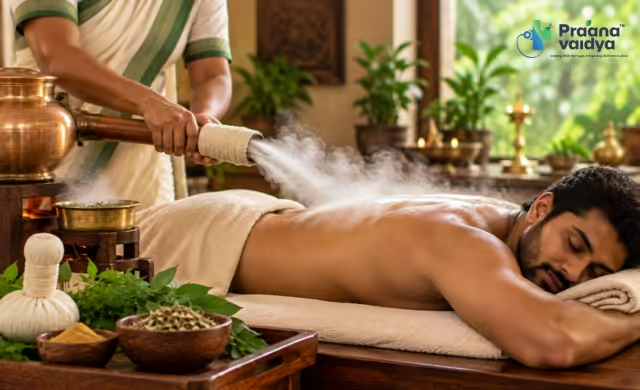
Unlike full-body steam treatments, Nadee Sweda focuses on a particular region. A practitioner directs steam through a tube or nozzle toward the selected area while controlling the temperature and duration of the treatment.
In Ayurveda, Nadee Sweda is considered a type of Swedana, a group of therapies involving therapeutic warmth or sweating. It may be used independently or as part of a broader Ayurvedic treatment plan.
At Praanavaidya, traditional therapies can be selected according to the individual’s symptoms, overall health, treatment objectives, and Ayurvedic assessment rather than following the same procedure for everyone.
How Does Nadee Sweda Work?
The basic principle of Nadee Sweda is the application of controlled heat and steam to a targeted part of the body.
Depending on the Ayurvedic protocol, water may be prepared with selected herbal ingredients before steam is generated. The ingredients and treatment method can vary according to the individual’s condition and the practitioner’s assessment.
The localized warmth may:
- Create a warming sensation in the treated region
- Encourage sweating in the targeted area
- Help muscles feel more relaxed
- Temporarily ease feelings of stiffness
- Make movement feel more comfortable in some situations
- Prepare the body for selected therapies such as massage
From an Ayurvedic perspective, Swedana is traditionally associated with addressing certain forms of stiffness and heaviness and supporting selected Vata-related complaints when appropriately prescribed.
The response to heat therapy varies from person to person. Nadee Sweda should therefore not be considered a universal treatment for every type of joint or muscle pain.
Why Is Nadee Sweda Used for Joint and Muscle Discomfort?
Joint and muscle discomfort can have many different causes. Temporary stiffness may occur after physical activity, prolonged sitting, minor muscular strain, or other circumstances.
Ayurvedic practitioners may consider localized Swedana when warmth is traditionally considered suitable for an individual’s symptoms.
Nadee Sweda may be considered as supportive therapy for:
- Localized muscular stiffness
- Joint stiffness
- Restricted movement associated with stiffness
- Muscular discomfort
- Certain Vata-related complaints
- A feeling of localized heaviness or tightness
- Preparation before selected Ayurvedic therapies
The suitability of the therapy depends on the underlying condition. Pain caused by an acute injury, infection, significant inflammation, or another medical problem may require a different approach.
Nadee Sweda for Joint Stiffness
Joint stiffness can make everyday movements uncomfortable. Some people notice stiffness after waking up, sitting for a prolonged period, or remaining inactive.
The warmth produced during Nadee Sweda may make a stiff area feel more relaxed temporarily. From the Ayurvedic perspective, localized warmth is traditionally used for selected forms of stiffness associated with Vata aggravation.
However, persistent joint stiffness should not automatically be attributed to a dosha imbalance. Conditions such as osteoarthritis, inflammatory arthritis, injuries, or other musculoskeletal disorders may require proper medical evaluation.
Nadee Sweda may therefore be considered a complementary therapy when an Ayurvedic practitioner determines that it is appropriate.
Nadee Sweda for Muscle Tightness
Muscle tightness can develop after exercise, repetitive activity, prolonged sitting, or physical strain.
Applying controlled warmth to a localized area may provide a soothing sensation and help the muscles feel less tense. Nadee Sweda allows the practitioner to concentrate the steam on the area requiring attention.
This localized approach may be useful when the treatment objective is to apply warmth to a particular muscle or body region rather than expose the entire body to steam.
How Is Nadee Sweda Performed?
The exact procedure can vary depending on the Ayurvedic centre, treatment protocol, and individual’s condition.
A typical session may involve the following steps.
1. Assessment
The practitioner first evaluates the person’s symptoms, general health, affected area, and treatment requirements.
The location and nature of the discomfort are important when deciding whether localized Swedana is appropriate.
2. Preparation of the Herbal Steam
Water and selected herbal ingredients may be used to generate steam. The ingredients can vary depending on the practitioner’s Ayurvedic protocol.
The temperature should be carefully controlled to avoid excessive heat exposure.
3. Positioning
The individual is positioned comfortably so that the affected area can be exposed safely to the steam.
The practitioner takes care to limit unnecessary exposure of other parts of the body.
4. Localized Steam Application
Steam is directed through a tube or nozzle toward the selected region.
The practitioner monitors the person’s comfort and can adjust the distance, temperature, or duration when necessary.
5. Completion and Aftercare
Once the prescribed session is completed, the steam application is stopped. The treated area is allowed to settle before the person resumes normal activities.
Aftercare recommendations may vary according to the broader Ayurvedic treatment plan.
What Does Nadee Sweda Feel Like?
During Nadee Sweda, the treated area generally feels warm as steam is directed toward the skin.
Mild sweating may occur. Some people find the warmth relaxing, particularly when the affected muscles feel tight or stiff.
However, the treatment should not feel painfully hot.
If the skin begins to burn or the heat becomes uncomfortable, the treatment should be stopped or adjusted. Dizziness, nausea, weakness, or unusual discomfort should also be reported to the practitioner immediately.
How Is Nadee Sweda Different From Full-Body Steam Therapy?
The main difference is the area being treated.
Nadee Sweda is designed for localized steam application, whereas full-body steam therapies expose a much larger portion of the body to heat.
Localized treatment allows the practitioner to concentrate warmth on a particular joint, muscle, or body region rather than applying heat throughout the body.
The choice between localized and broader Swedana depends on the individual’s condition and treatment objective.
Nadee Sweda and Abhyanga: What Is the Difference?
Abhyanga is an Ayurvedic oil massage, while Nadee Sweda is a steam-based sudation therapy.
Abhyanga generally involves applying oil and massaging the body or a selected region. Nadee Sweda uses controlled steam and warmth.
In some Ayurvedic treatment plans, these therapies may be performed in sequence. For example, an Ayurvedic practitioner may recommend oil massage followed by an appropriate form of Swedana.
However, combining therapies should be based on individual assessment rather than following a fixed routine.
Traditional Ayurvedic Perspective on Nadee Sweda
Ayurvedic texts describe different forms of Swedana and associate therapeutic sweating with qualities such as warmth and softness.
From the traditional Ayurvedic perspective, appropriately selected Swedana may be considered when symptoms such as stiffness, heaviness, or restricted movement are associated with certain patterns of dosha imbalance.
Vata is traditionally associated with qualities such as dryness, lightness, mobility, and coldness. Because warmth is traditionally considered useful for some Vata-dominant complaints, Swedana may form part of an Ayurvedic approach in selected cases.
This is an Ayurvedic framework and should not be considered a substitute for modern medical diagnosis when symptoms require medical evaluation.
Who May Benefit From Nadee Sweda?
Nadee Sweda may be considered for adults experiencing selected forms of:
- Localized stiffness
- Muscle tightness
- Joint discomfort associated with stiffness
- Reduced flexibility
- Musculoskeletal discomfort where warmth is considered appropriate
The therapy should be selected after considering the person’s overall health, symptoms, and possible underlying cause rather than based only on the location of pain.
When Should Nadee Sweda Be Avoided?
Heat-based therapies are not appropriate for everyone and may need to be avoided or modified in certain situations.
These may include:
- Fever or acute illness
- Active skin infections
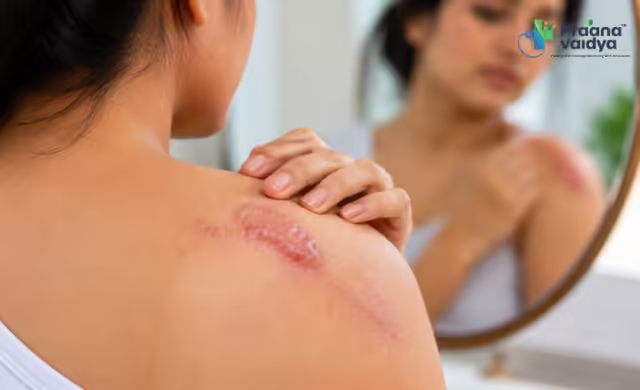
- Open wounds in the treatment area
- Significant skin irritation
- Certain acute inflammatory conditions
- Reduced ability to sense heat
- Conditions where heat exposure is medically unsuitable
- Significant weakness or dehydration
People who are pregnant or who have cardiovascular conditions, diabetes, neurological conditions affecting sensation, or other significant medical concerns should discuss the safety of heat-based therapy with an appropriate healthcare professional before undergoing treatment.
Can Nadee Sweda Be Used for Acute Injuries?
Not every injury should be treated with heat.
An acute injury may involve swelling, tissue damage, or inflammation, and applying heat at the wrong stage may not be appropriate.
If pain develops suddenly after a fall, accident, sports injury, or other trauma, medical assessment should come first.
Nadee Sweda should only be considered when the practitioner determines that localized heat is suitable for the condition.
How Often Is Nadee Sweda Performed?
There is no single frequency that applies to everyone.
The number and duration of sessions can depend on:
- The individual’s symptoms
- The affected body region
- Overall health
- Treatment objectives
- Other Ayurvedic therapies being used
- Response to previous sessions
A qualified practitioner should determine the treatment schedule rather than relying on a standard number of sessions.
Can Nadee Sweda Replace Medical Treatment?
No.
Nadee Sweda is a traditional Ayurvedic therapy and should not be considered a replacement for diagnosis or treatment of an underlying medical condition.
Persistent joint pain, severe swelling, weakness, numbness, unexplained pain, fever, or pain following an injury should be medically evaluated.
Ayurvedic therapies may sometimes be used as complementary care when they are appropriate and safely integrated with other treatment.
What Are the Possible Benefits of Nadee Sweda?
Traditional Ayurvedic use of Nadee Sweda focuses primarily on localized warmth and sweating.
Potential supportive benefits may include:
- Temporary relief from feelings of stiffness
- A soothing warming sensation
- Relaxation of tight muscles
- Support for comfortable movement
- Localized sweating
- Preparation for selected Ayurvedic therapies
Individual experiences can vary, and traditional uses should not be interpreted as guarantees of specific medical outcomes.
Aftercare Following Nadee Sweda
After a steam therapy session, it is generally sensible to allow the body to return gradually to a comfortable temperature.
Depending on the practitioner’s instructions, aftercare may include:
- Staying comfortably hydrated
- Avoiding sudden exposure to very cold temperatures
- Resting briefly after treatment
- Following dietary or activity recommendations provided by the practitioner
- Monitoring the treated area for unusual irritation
If significant dizziness, weakness, burns, or other concerning symptoms occur, seek appropriate medical attention.
Final Thoughts
Nadee Sweda is a traditional Ayurvedic localized steam therapy designed to apply controlled warmth to a specific region of the body. Its traditional applications focus on concerns such as stiffness, muscular tightness, and selected forms of musculoskeletal discomfort.
The therapy is not appropriate for every type of pain or every individual. Understanding the underlying cause of symptoms is important before using heat-based treatment.
When appropriately selected and professionally administered, Nadee Sweda can form part of a broader Ayurvedic approach to supportive care while working alongside appropriate medical evaluation when needed.
Visit Us in-
Rajajinagar- 08065903133
Hubballi – 08065903145
Indiranagar- 08065903135
Mumbai-08065903118
Yelahanka- 08065903134
Mangaluru-08065903136
Chamrajpet-08065903132
Delhi-08065903140
Lucknow-08065903130
Frequently Asked Questions About Nadee Sweda
What is Nadee Sweda?
Nadee Sweda is a localized Ayurvedic steam therapy in which controlled steam is directed toward a specific area of the body. It is traditionally used for selected forms of stiffness, discomfort, and restricted movement.
Is Nadee Sweda good for joint pain?
Nadee Sweda may provide supportive relief when joint discomfort is associated with stiffness and warmth is considered appropriate. However, joint pain can have many causes, so persistent or severe pain should be evaluated before beginning heat-based therapy.
Can Nadee Sweda help muscle stiffness?
The localized warmth may help muscles feel more relaxed and temporarily reduce the sensation of tightness. Its suitability depends on the cause and nature of the stiffness.
Is Nadee Sweda painful?
It should not be painful. The person generally experiences warmth and possibly sweating in the treated area. Excessive heat, burning, or significant discomfort should be reported immediately.
How long does a Nadee Sweda session take?
The duration varies according to the affected area, treatment plan, and individual tolerance. A practitioner determines the appropriate duration rather than using one fixed time for everyone.
Is Nadee Sweda the same as steam therapy?
Nadee Sweda is a specific Ayurvedic form of localized steam therapy. Unlike general steam bathing, the steam is directed toward a particular part of the body.
Can Nadee Sweda be combined with Abhyanga?
Yes. An Ayurvedic practitioner may combine Abhyanga and Nadee Sweda in selected treatment plans. The sequence and suitability depend on the person’s condition.
Can everyone undergo Nadee Sweda?
No. Certain illnesses, skin conditions, acute injuries, reduced heat sensation, and other medical concerns may make heat therapy unsuitable. A professional assessment is recommended before treatment.
Does Nadee Sweda permanently cure joint pain?
Nadee Sweda should not be presented as a guaranteed or permanent cure. It is a traditional supportive therapy that may help with selected symptoms such as stiffness or muscular discomfort.
What should I do if I feel dizzy during Nadee Sweda?
The therapy should be stopped and the practitioner informed immediately. Dizziness, weakness, nausea, or excessive heat intolerance should not be ignored.
Praanavaidya
Healthcare Professional
Focused on patient-centric care and evidence-based treatment plans.
More from Praanavaidya