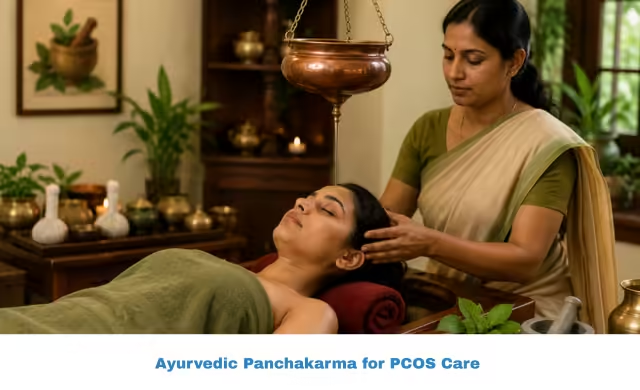
Polycystic Ovary Syndrome (PCOS) is a complex hormonal and metabolic condition. While diet, lifestyle, and medicines are essential, panchakarma treatment for pcos may provide additional support by targeting hormone balance, stress reduction, metabolism, and ovulatory regulation.
Panchakarma is a classical Ayurvedic detoxification and therapy system designed to remove imbalances from the body, improve digestion, circulation, hormonal regulation, and metabolic health. For PCOS, Panchakarma can be customised according to type (adrenal, lean, inflammatory, post-pill) and individual constitution.
What is Panchakarma Actually?
Panchakarma is an Ayurvedic therapeutic system consisting of five major detox and therapy procedures. It aims to remove metabolic toxins, restore hormone balance, support ovulation, and improve overall vitality. Panchakarma therapies are personalised based on constitution (Prakriti), PCOS type, digestive strength (Agni), and metabolic status.
In the context of PCOS, panchakarma for pcos is used to:
- Support hormonal balance
- Regulate ovulation
- Reduce stress and nervous tension
- Improve insulin sensitivity
- Aid weight management
- Support menstrual regularity
A doctor-led evaluation is essential to determine which therapies are appropriate for each individual.
Why Panchakarma for PCOS?
PCOS often involves:
- Hormonal imbalance (androgen excess, estrogen-progesterone irregularity)
- Ovulatory dysfunction
- Insulin resistance or weight gain
- Chronic low-grade inflammation
- Stress-induced endocrine imbalance
Panchakarma for PCOS helps by:
- Reducing excess doshas affecting hormonal axis
- Detoxifying metabolic pathways
- Supporting ovarian function
- Improving digestion and metabolism
- Supporting weight management and insulin balance
Ayurvedic therapies are customised according to PCOS type: adrenal, lean, inflammatory, or post-pill.
Virechana for PCOS — How It Works
Virechana is a therapeutic purgation procedure used to clear Pitta and metabolic toxins. In PCOS, Virechana may:
- Support hormonal detoxification
- Improve metabolism
- Normalize menstrual cycles
- Reduce excess androgen activity
The therapy involves:
- Pre-purification with medicated oils and mild herbs
- Controlled purgation using herbal preparations
- Post-purification diet and lifestyle
- Follow-up monitoring
Virechana should only be done under supervision after a doctor evaluates constitution, digestive strength, and PCOS type.
Basti for Hormonal Balance
Basti involves administration of medicated oils or decoctions through the rectal route. For PCOS, Basti can:
- Support Vata balance
- Reduce ovarian and uterine congestion
- Improve ovulatory function
- Aid hormonal regulation
Types of Basti may include oil-based (Sneha Basti) or decoction-based (Niruha Basti), customised according to constitution and PCOS type. It is especially useful in lean or Vata-dominant PCOS.
Udwarthana — Insulin Resistance and Weight Support
Udwarthana is a dry herbal powder massage applied in upward strokes. It helps:
- Stimulate fat metabolism
- Improve circulation
- Reduce cellulite
- Support insulin sensitivity
- Aid weight management
Udwarthana is particularly recommended for PCOS with metabolic imbalance, overweight, or insulin resistance. Combined with diet and lifestyle corrections, it improves efficacy.
Nasya — Hormonal Axis Support
Nasya involves administration of medicated oils or herbal drops through the nasal passages. For PCOS, Nasya may:
- Regulate pituitary-ovarian axis
- Reduce stress-induced hormone imbalance
- Improve ovarian signaling
- Support menstrual regularity
This therapy is gentle but requires doctor supervision, especially in adrenal or inflammatory PCOS.
Shirodhara — Stress and Hormone Regulation
Shirodhara is a therapy in which warm herbal oils are poured in a steady stream over the forehead. Benefits in PCOS include:
- Reducing stress and cortisol levels
- Calming the nervous system
- Supporting ovulatory cycles
- Improving sleep and emotional balance
Shirodhara is particularly effective for adrenal or stress-related PCOS types.
Who is a Candidate for Panchakarma?
Not every PCOS patient requires Panchakarma. Candidates are typically:
- Women with irregular cycles or ovulatory dysfunction
- Women with insulin resistance or weight gain
- Patients with persistent stress or adrenal imbalance
- Women with chronic PCOS symptoms despite diet/lifestyle interventions
- Those who can commit to a structured treatment and follow-up
A doctor evaluates overall health, digestion, constitution, PCOS type, and associated conditions before recommending Panchakarma.
What to Expect During and After Panchakarma for PCOS
During Panchakarma:
- Individual assessment and therapy planning
- Pre-purification and preparatory oil therapies
- Administration of selected therapies (Virechana, Basti, Udwarthana, Nasya, Shirodhara)
- Dietary and lifestyle counselling
After Panchakarma:
- Follow-up consultations for cycle tracking and hormone monitoring
- Gradual reintroduction of normal activity and diet
- Herbal medicines or decoctions for continued support
- Monitoring for recurrence, insulin sensitivity, and weight management
The goal is long-term hormonal balance, ovulatory regularity, metabolic support, and overall wellness.
Visit Us At –
Rajajinagar- 08065903133
Hubballi – 08065903145
Indiranagar- 08065903135
Mumbai-08065903118
Yelahanka- 08065903134
Mangaluru-08065903136
Chamrajpet-08065903132
FAQs on Panchakarma for PCOS
1. How to treat PCOS in Ayurveda with Panchakarma?
Panchakarma for PCOS involves personalised therapies like Virechana, Basti, Udwarthana, Nasya, and Shirodhara to balance hormones, support ovulation, reduce stress, and improve metabolism.
2. Is Panchakarma effective for insulin resistance in PCOS?
Yes, therapies like Udwarthana, Basti, and Virechana support metabolic function and insulin sensitivity when combined with lifestyle and diet guidance.
3. How long does Panchakarma treatment for PCOS take?
Initial improvement may be observed in 3–6 weeks, with full benefits over 3–6 months depending on PCOS type, adherence, and overall health.
4. Can Panchakarma be done at home?
Home Panchakarma may be considered for some supportive therapies under supervision, but most procedures like Virechana, Basti, or Shirodhara are recommended at the clinic.
5. Who should avoid Panchakarma?
Patients with severe illness, uncontrolled diabetes, pregnancy, infections, or inability to follow therapy schedules may not be suitable.
6. Does Panchakarma replace medicines for PCOS?
No. Panchakarma is complementary to diet, lifestyle changes, and doctor-prescribed medicines where needed.
Praanavaidya
Healthcare Professional
Focused on patient-centric care and evidence-based treatment plans.
More from Praanavaidya