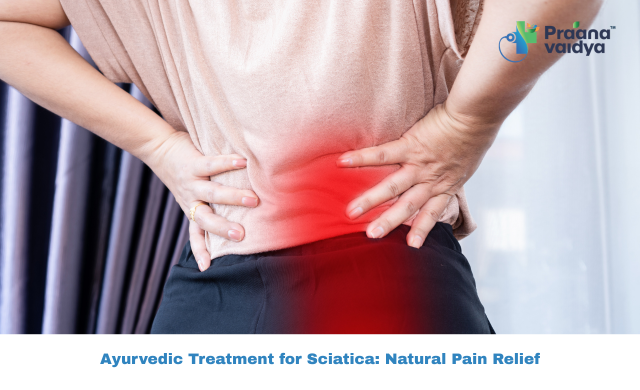
Ayurvedic treatment for sciatica at Praanavaidya focuses on addressing the root cause of the condition—not just the pain that comes with it. Sciatica is commonly experienced as a sharp, radiating discomfort that travels from the lower back down the leg, but the underlying issue usually lies deeper, in the spine and nerve roots.
Many patients begin their treatment journey with painkillers, muscle relaxants, or physiotherapy. While these approaches can provide temporary relief, the pain often returns because the root causes—such as disc compression, nerve irritation, and tissue imbalance—are not fully addressed.
This is where a structured Ayurvedic approach offers a different perspective. Instead of treating sciatica as just a symptom, it considers the broader imbalance within the body, particularly involving nerve function and spinal health.
Through personalized therapies, herbal support, and guided lifestyle changes, the goal is to reduce nerve pressure, support tissue recovery, and move toward long-term relief rather than short-term management.
📞 Call / WhatsApp: 08065903127 | +91 96117 73811
What Exactly Is Sciatica?
Sciatica refers to pain that originates in the lower back and travels along the path of the sciatic nerve, which runs through the hips, buttocks, and down each leg.
Common symptoms include:
- Sharp or burning pain radiating down one leg
- Tingling or “pins and needles” sensation
- Numbness in the leg or foot
- Weakness in the affected limb
- Increased discomfort while sitting or bending
In most cases, the root cause lies in the lumbar spine, particularly:
- Herniated discs (L4-L5, L5-S1)
- Degenerative disc changes
- Nerve root compression
- Muscle tightness (such as piriformis syndrome)
Understanding this is important—because treating sciatica effectively means treating the source, not just the symptom.
The Ayurvedic Perspective: Understanding Gridhrasi
In Ayurveda, sciatica is described as Gridhrasi, a condition primarily caused by an imbalance in Vata dosha.
Vata governs movement, nerve impulses, and circulation. When it becomes aggravated, it can lead to:
- Dryness in tissues (including spinal discs)
- Increased nerve sensitivity
- Pain that moves or radiates
Ayurveda also identifies variations of the condition:
Vata-Dominant Sciatica
- Sharp, shooting pain
- Tingling and numbness
- Worse in cold conditions
- Associated with degeneration and dryness
Vata-Kapha Sciatica
- Heaviness and stiffness
- Slower movement
- Inflammation and congestion
This classification is important because treatment is personalized based on your specific presentation.
Why Conventional Treatment Often Falls Short
Modern treatments play an important role, especially in managing acute symptoms. However, they often focus on:
- Reducing inflammation
- Relaxing muscles
- Temporarily relieving pain
What they may not fully address is:
- Disc dehydration and degeneration
- Nerve nourishment and repair
- Systemic imbalance contributing to recurrence
Over time, this can lead to a cycle of relief and relapse.
Ayurveda aims to break this cycle by focusing on restoration and long-term balance.
Ayurvedic Treatment Approach at Praanavaidya
At Praanavaidya, sciatica treatment is not a one-size-fits-all protocol. It begins with a detailed clinical evaluation, considering:
- Pain pattern and severity
- Mobility and posture
- Lifestyle habits
- Digestive health
- Age and tissue strength
Based on this, a personalized treatment plan is designed.
Key Therapies Used in Sciatica Treatment
1. Basti (Medicated Enema Therapy)
Basti is considered one of the most important therapies for Vata disorders.
It works by:
- Nourishing spinal discs and nerve tissues
- Reducing dryness and degeneration
- Supporting nerve function and healing
Patients often notice gradual reduction in pain intensity and improved mobility after a course of Basti.
2. Kati Basti (Localized Oil Therapy)
This therapy involves retaining warm medicated oil over the lower back.
It helps:
- Improve lubrication of spinal structures
- Reduce inflammation
- Relieve pressure on nerve roots
Many patients experience immediate relief during or after sessions.
3. Abhyanga (Therapeutic Oil Massage)
A full-body massage using medicated oils, tailored to the individual.
Benefits include:
- Relaxation of tight muscles
- Improved blood circulation
- Reduction of stress and tension
4. Swedana (Herbal Steam Therapy)
Performed after massage, this therapy uses steam to:
- Reduce stiffness
- Enhance absorption of oils
- Relax deep tissues
5. Patra Pinda Sweda
A specialized therapy using herbal bundles.
It is particularly helpful for:
- Acute pain
- Inflammation
- Muscle tightness
Role of Herbal Medicines
Ayurvedic treatment also includes carefully selected herbal formulations that support recovery from within.
These may help to:
- Reduce inflammation
- Strengthen nerve tissue
- Improve metabolism
- Support tissue repair
Herbs are always prescribed based on individual needs rather than used generically.
Diet and Lifestyle: The Foundation of Recovery
Treatment is incomplete without correcting daily habits.
Recommended Practices
- Eat warm, freshly cooked meals
- Include ghee and healthy oils
- Drink warm water regularly
- Maintain consistent meal timings
Foods to Avoid
- Cold or refrigerated foods
- Excessively dry or processed foods
- Irregular eating patterns
Daily Habits That Support Healing
- Gentle walking for 20 minutes daily
- Avoid prolonged sitting
- Maintain proper posture
- Practice daily oil massage (Abhyanga)
- Use supportive sleeping positions
These changes may seem simple, but they play a major role in preventing recurrence.
What Does Recovery Look Like?
Recovery is gradual and varies from person to person, but many patients experience:
- Reduced pain within the first week
- Improved mobility over 2–3 weeks
- Continued strengthening over 1–3 months
Consistency is key.
When Is Surgery Necessary?
While many cases improve with conservative care, surgery may be required in serious situations such as:
- Loss of bladder or bowel control
- Severe nerve damage
- Progressive weakness
In such cases, timely medical evaluation is essential.
Conclusion: A Long-Term Perspective on Sciatica Care
Sciatica is not just about managing pain—it is about restoring function, balance, and quality of life.
Ayurvedic treatment offers a comprehensive approach that:
- Addresses the root cause
- Supports natural healing
- Reduces the chances of recurrence
The goal is not quick relief alone, but sustainable recovery.
Visit Praanavaidya centres near you –
Rajajinagar- 08065903133
Hubballi – 08065903145
Indiranagar- 08065903135
Mumbai-08065903118
Yelahanka- 08065903134
Mangaluru-08065903136
Chamrajpet-08065903132
FAQs
Can Ayurveda cure sciatica completely?
It can significantly improve symptoms and support long-term recovery, especially in early and moderate cases.
How long does treatment take?
Initial improvements may be seen within weeks, with continued recovery over months.
Is it safe to combine with physiotherapy?
Yes, both approaches can complement each other.
Can sciatica come back?
It can, but lifestyle changes and proper care help reduce recurrence.
Praanavaidya
Healthcare Professional
Focused on patient-centric care and evidence-based treatment plans.
More from Praanavaidya