Prana in Ayurveda refers to a fundamental concept associated with life, vitality, movement, respiration, and the functioning of the body and mind.
The Sanskrit word Prana is commonly translated as “life force” or “vital energy.” In the Ayurvedic tradition, however, Prana represents a broader concept than simply energy. It is closely associated with breathing, sensory activity, mental processes, circulation of vital functions, and the maintenance of life.
Prana is also closely connected with Vata Dosha, particularly Prana Vayu, one of the five subdivisions of Vata described in Ayurveda.
At Praanavaidya, Prana can be understood within the traditional Ayurvedic framework while recognizing that it is not a scientifically established substance or measurable energy field in the modern biomedical sense.
Why Is Prana Important in Ayurveda?
Ayurveda considers Prana fundamental to life and physiological activity.
Traditional Ayurvedic descriptions associate Prana with processes such as:
- Breathing
- Sensory perception
- Mental activity
- Swallowing
- Attention and awareness
- Vital bodily functions
- Coordination of certain movements
The concept therefore connects physical and mental aspects of wellbeing.
Rather than considering Prana as something that exists separately from the body, Ayurveda describes it as closely involved with the functioning of living organisms.
Prana and the Three Doshas
Ayurveda describes three Doshas:
- Vata
- Pitta
- Kapha
Prana is particularly associated with Vata because Vata is traditionally responsible for movement.
Within the Vata category, Ayurveda describes five subdivisions called Pancha Vayu or the five types of Vata:
- Prana Vayu
- Udana Vayu
- Samana Vayu
- Vyana Vayu
- Apana Vayu
Each has a different traditional role.
What Is Prana Vayu?
Prana Vayu is traditionally described as the primary form of Vata associated with the movement of Prana.
Classical Ayurvedic descriptions connect it particularly with the head, chest, breathing, swallowing, sensory functions, and mental activity.
Prana Vayu is therefore often discussed in relation to:
- Inhalation
- Sensory perception
- Mental awareness
- Swallowing
- Attention
- Vital functions
Maintaining regular breathing, adequate rest, healthy routines, and mental calmness is traditionally considered supportive of Prana Vayu.
The Five Types of Vata and Prana
Understanding Prana becomes easier when looking at the five subdivisions of Vata.
1. Prana Vayu
Traditionally associated with breathing, sensory perception, swallowing, and mental functions.
2. Udana Vayu
Associated with upward movement and traditionally linked with speech, expression, effort, and certain functions of the throat and chest.
3. Samana Vayu
Associated with digestion and the movement of nutrients within the digestive process.
4. Vyana Vayu
Associated with movement throughout the body, including circulation and coordination of physical activity in the Ayurvedic framework.
5. Apana Vayu
Associated with downward-moving functions, including elimination, urination, menstruation, childbirth, and reproductive processes.
Together, these five forms provide Ayurveda with a traditional framework for describing different aspects of movement and physiological activity.
Prana and Breathing
Breathing is one of the clearest ways Ayurveda discusses Prana.
Each breath involves an exchange of air that is essential to human life. Ayurveda places additional traditional significance on the quality, rhythm, and awareness of breathing.
Practices such as Pranayama use controlled breathing techniques and are traditionally associated with regulating and supporting Prana.
From a modern perspective, breathing practices can influence relaxation, autonomic activity, and perceived stress in certain circumstances. However, individual techniques and their effects can vary.
Breathing exercises should be performed appropriately, particularly by people with respiratory or cardiovascular conditions.
Prana and the Mind
Ayurveda does not separate physical wellbeing completely from mental wellbeing.
Prana is traditionally connected with the mind, sensory organs, attention, and awareness.
An irregular lifestyle, inadequate sleep, excessive stimulation, or chronic stress may be described within Ayurvedic thinking as affecting the balanced movement of Prana.
Traditional practices used to support mental calmness may include:
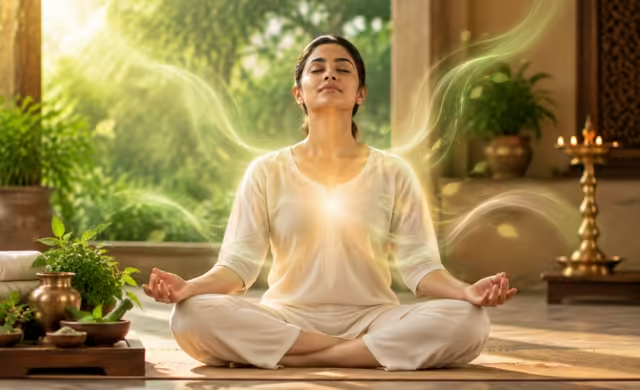
- Meditation
- Gentle breathing exercises
- Yoga
- Regular sleep
- Time in nature
- Mindful activities
- Consistent daily routines
These practices should be viewed as wellness approaches rather than guaranteed treatments for mental or neurological disorders.
Prana and Pranavaha Srotas
Prana is also connected with the Ayurvedic concept of Pranavaha Srotas.
Srotas are traditionally described as channels or pathways through which various substances and physiological functions move.
Pranavaha Srotas is traditionally associated with respiration and the movement of Prana.
It is important not to equate Pranavaha Srotas directly with a single modern anatomical structure. The two systems use different frameworks for understanding physiology.
What Can Disturb Prana According to Ayurveda?
Ayurveda traditionally considers lifestyle patterns important in maintaining balanced Prana.
Factors that may be described as disturbing Prana include:
Irregular Daily Routine
Inconsistent sleeping, eating, and activity patterns may be considered disruptive to Vata and Prana.
Excessive Stress
Persistent mental strain may affect breathing patterns, sleep, appetite, and overall wellbeing.
Lack of Sleep
Poor sleep can influence mood, concentration, energy, and physical recovery.
Overstimulation
Excessive screen exposure, constant noise, and continuous mental activity may contribute to feelings of mental fatigue.
Poor Breathing Habits
Shallow or irregular breathing may accompany stress and anxiety. Learning appropriate breathing techniques can help some people become more aware of their breathing patterns.
Excessive Physical or Mental Activity
Ayurveda traditionally emphasizes balance and appropriate recovery rather than continuous exertion.
Signs Traditionally Associated With Disturbed Prana
Ayurvedic descriptions may associate disturbed Prana with experiences such as:
- Restlessness
- Irregular breathing
- Difficulty concentrating
- Mental agitation
- Poor sleep
- Anxiety-like sensations
- Fatigue
- Feeling mentally overwhelmed
These symptoms are nonspecific and can have many causes.
For example, persistent breathlessness, chest pain, fainting, severe anxiety, or unexplained fatigue should not simply be attributed to an imbalance of Prana. Medical evaluation may be necessary.
How Ayurveda Traditionally Supports Prana
Ayurveda generally emphasizes routine and balance when discussing Prana.
Maintain a Consistent Daily Routine
Regular sleeping, eating, working, and resting patterns can support overall wellbeing.
Practise Appropriate Breathing Exercises
Gentle, properly taught breathing practices may encourage awareness and relaxation.
Prioritize Sleep
Adequate, regular sleep is important for physical and mental health.
Eat Nourishing Food
A balanced diet provides the nutrients needed for normal physiological functioning.
Avoid Excessive Stimulation
Creating periods without constant digital or sensory stimulation can support mental rest.
Include Gentle Movement
Walking, yoga, stretching, and other appropriate physical activities can support general health.
Practise Meditation
Mindfulness or meditation may help some people manage stress and develop greater awareness of breathing and mental activity.
Prana and Pranayama: Are They the Same?
No.
Prana is the traditional Ayurvedic concept of vital energy or life force.
Pranayama refers to yogic breathing practices traditionally used to regulate or work with Prana.
The two concepts are closely related but are not interchangeable.
Different Pranayama techniques involve different breathing patterns. Some involve slow breathing, while others use more active or structured techniques.
People with medical conditions should learn advanced breathing practices from a qualified instructor and seek medical advice when appropriate.
Prana and Yoga
Yoga and Ayurveda share several traditional concepts, including Prana.
Yoga practices may include:
- Asana
- Pranayama
- Meditation
- Relaxation
- Concentration practices
From the traditional perspective, these practices can help cultivate awareness and support balanced Prana.
Modern research has also investigated yoga and breathing practices in areas such as stress management, physical function, sleep, and general wellbeing.
However, evidence varies according to the specific practice and health condition.
Prana and Digestion
Prana is not limited to respiration.
Ayurveda describes relationships among Prana Vayu, Samana Vayu, and Apana Vayu that help explain different aspects of digestion and elimination.
Samana Vayu is traditionally associated with digestive activity, while Apana Vayu is associated with downward movement and elimination.
This illustrates Ayurveda’s emphasis on interconnected bodily functions.
Modern physiology explains digestion through the coordinated actions of the gastrointestinal tract, nervous system, hormones, muscles, blood supply, and other mechanisms. The Ayurvedic explanation represents a different conceptual framework.
Prana and Energy Levels
People often use the word “energy” to describe how alert, active, or motivated they feel.
Ayurveda’s concept of Prana is broader than ordinary tiredness or physical energy.
Feeling tired can result from many factors, including inadequate sleep, nutritional deficiencies, illness, stress, medication effects, or other medical conditions.
Therefore, persistent fatigue should not automatically be interpreted as low Prana.
Prana and Mental Wellbeing
Ayurveda traditionally recognizes the relationship between breathing, sensory activity, mind, and overall wellbeing.
Simple practices such as slow breathing, meditation, regular sleep, and reducing unnecessary stimulation may support relaxation.
However, Prana-based practices should not replace professional treatment for depression, anxiety disorders, panic attacks, trauma-related conditions, or other mental health concerns.
Anyone experiencing severe psychological distress or thoughts of self-harm should seek immediate professional support.
Is Prana Scientifically Measurable?
Prana, as described in Ayurveda, is not currently established in modern biomedical science as a measurable substance or life-energy field.
Modern medicine explains life processes through mechanisms involving cells, tissues, organs, nervous-system activity, circulation, metabolism, respiration, and biochemical processes.
This distinction is important.
Prana can be studied as a traditional philosophical and physiological concept without presenting it as a scientifically proven energy that can be directly measured.
Simple Daily Practices Traditionally Used to Support Prana
You do not necessarily need complicated practices to incorporate Ayurvedic ideas about Prana into daily life.
A simple routine may include:
Morning: Begin the day calmly and spend a few minutes focusing on natural breathing.
Daytime: Eat regular nourishing meals and include appropriate physical activity.
Work breaks: Step away from screens periodically and take a few slow, comfortable breaths.
Evening: Reduce excessive stimulation and create a calming bedtime routine.
Before sleep: Practise gentle relaxation or meditation if it feels comfortable.
The goal is consistency rather than performing an elaborate routine.
When Should You Seek Medical Care?
Symptoms sometimes attributed to low or disturbed Prana can have important medical causes.
Seek professional medical care for:
- Persistent shortness of breath
- Chest pain
- Fainting
- Severe dizziness
- Persistent unexplained fatigue
- Sudden weakness
- Confusion
- Significant changes in mental function
- Severe anxiety or panic symptoms
- Persistent sleep problems
These symptoms should be properly assessed rather than assumed to result from Prana imbalance.
How Praanavaidya Approaches Prana-Based Wellness
At Praanavaidya, Prana can be understood within the broader Ayurvedic framework of Doshas, Srotas, Agni, lifestyle, and individual constitution.
Traditional practices such as appropriate breathing exercises, yoga, meditation, daily routines, and mindful living may be considered as part of a holistic wellness approach.
The specific approach should depend on the individual’s needs and health status. Traditional Ayurvedic practices can complement healthy lifestyle habits, but they should not replace appropriate medical diagnosis or treatment.
Visit Us in-
Rajajinagar- 08065903133
Hubballi – 08065903145
Indiranagar- 08065903135
Mumbai-08065903118
Yelahanka- 08065903134
Mangaluru-08065903136
Chamrajpet-08065903132
Delhi-08065903140
Lucknow-08065903130
Final Thoughts
Prana in Ayurveda is a foundational traditional concept used to describe life, vitality, breathing, movement, sensory activity, and aspects of physical and mental functioning.
It is closely associated with Prana Vayu, the other subdivisions of Vata, Pranavaha Srotas, and practices such as Pranayama and yoga.
Rather than viewing Prana simply as physical energy, it is more useful to understand it within the broader philosophical and physiological framework of Ayurveda.
Healthy breathing habits, regular routines, adequate sleep, nutritious food, appropriate movement, and stress-management practices can all contribute to overall wellbeing. At the same time, persistent or serious symptoms should be evaluated through appropriate modern medical care rather than attributed solely to Prana imbalance.
Frequently Asked Questions About Prana in Ayurveda
What Is Prana in Ayurveda?
Prana in Ayurveda is a traditional concept associated with life, vitality, breathing, movement, sensory activity, and certain functions of the body and mind.
Is Prana the Same as Oxygen?
No. Oxygen is a scientifically measurable gas essential for human respiration. Prana is a broader traditional Ayurvedic concept and should not be treated as a synonym for oxygen.
What Is Prana Vayu?
Prana Vayu is one of the five subdivisions of Vata described in Ayurveda. It is traditionally associated with breathing, sensory perception, swallowing, and certain mental functions.
What Are the Five Types of Vata?
The five types are Prana Vayu, Udana Vayu, Samana Vayu, Vyana Vayu, and Apana Vayu. Ayurveda associates each with different forms of movement and physiological activity.
How Are Prana and Pranayama Related?
Prana refers to the traditional concept of vital energy, while Pranayama refers to yogic breathing practices traditionally used to regulate or work with Prana.
Can Breathing Exercises Improve Prana?
From the traditional Ayurvedic and yogic perspective, appropriate breathing practices are used to support balanced Prana. Modern evidence also suggests that some controlled breathing practices may promote relaxation, although effects vary between techniques and individuals.
What Is Pranavaha Srotas?
Pranavaha Srotas is an Ayurvedic concept traditionally associated with respiration and the movement of Prana. It should not be considered identical to a single modern anatomical structure.
Can Low Prana Cause Fatigue?
Ayurveda may use concepts related to Prana to describe aspects of vitality, but persistent fatigue can have many causes. Medical evaluation is appropriate when fatigue is unexplained or ongoing.
Is Prana Scientifically Proven?
Prana is a traditional Ayurvedic concept rather than a scientifically established measurable substance or energy field. Modern medicine explains physiological functions through biological and biochemical mechanisms.
Can Ayurveda Support Healthy Prana?
Traditional Ayurvedic approaches emphasize regular routines, appropriate nutrition, adequate sleep, breathing practices, meditation, yoga, and balanced activity as ways of supporting overall wellbeing and Prana.
Praanavaidya
Healthcare Professional
Focused on patient-centric care and evidence-based treatment plans.
More from Praanavaidya