Uneven skin tone, melasma, and dark spots are among the most common skin concerns affecting both women and men. Whether caused by sun exposure, hormonal changes, aging, acne, or lifestyle factors, facial pigmentation can affect confidence and often becomes difficult to manage with cosmetic products alone.
Rather than focusing only on the visible patches, Ayurvedic treatment for facial pigmentation aims to understand the internal factors that may contribute to skin discoloration. Ayurveda considers healthy skin a reflection of balanced digestion, proper metabolism, and harmonious doshas.
At Praanavaidya, our Ayurvedic physicians create personalized treatment plans that combine herbal therapies, Panchakarma procedures when appropriate, dietary guidance, and skincare recommendations to support healthier, naturally radiant skin.
Can Ayurveda Help with Facial Pigmentation?
Yes. Ayurvedic treatment for facial pigmentation focuses on addressing underlying imbalances that may contribute to melasma and dark spots. Depending on your skin type and overall health, treatment may include herbal medicines, external therapies, dietary modifications, detoxification procedures, and lifestyle changes to promote healthy skin and reduce the appearance of pigmentation.
What Is Facial Pigmentation?
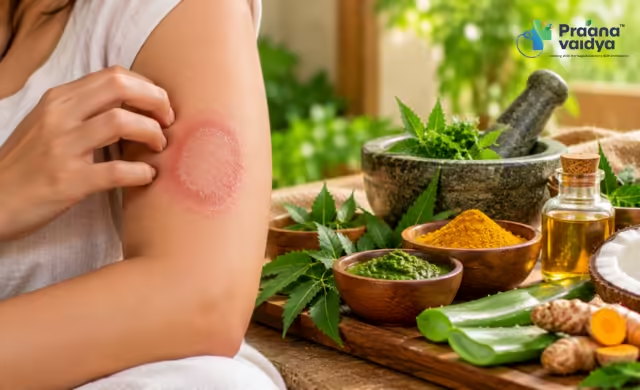
Facial pigmentation occurs when excess melanin is produced in certain areas of the skin, resulting in patches or spots that appear darker than the surrounding skin.
Common forms include:
- Melasma
- Sun spots (solar lentigines)
- Post-inflammatory hyperpigmentation
- Age spots
- Acne marks
Pigmentation may develop gradually and often requires consistent care.
Common Symptoms of Facial Pigmentation
People with pigmentation may notice:
- Brown or grey patches on the cheeks
- Dark spots on the forehead
- Pigmentation around the upper lip
- Uneven skin tone
- Acne marks that remain after healing
- Increased pigmentation after sun exposure
What Causes Melasma and Dark Spots?
Several factors may contribute to facial pigmentation.
Sun Exposure
Ultraviolet (UV) rays stimulate melanin production, making pigmentation darker over time.
Hormonal Changes
Melasma commonly develops during pregnancy or with hormonal fluctuations.
Acne and Skin Inflammation
Inflammation after acne or skin injuries can leave dark marks.
Aging
Pigmentation often becomes more noticeable with age.
Genetics
Some individuals have a higher genetic tendency to develop melasma.
Certain Medications
Some medications may increase sensitivity to sunlight, contributing to pigmentation.
Facial Pigmentation in Ayurveda
According to Ayurveda, healthy skin depends on balanced Pitta dosha, proper digestion (Agni), healthy blood (Rakta Dhatu), and efficient elimination of toxins (Ama).
When these factors become imbalanced, they may contribute to:
- Uneven complexion
- Skin discoloration
- Increased sensitivity
- Chronic pigmentation
- Inflammatory skin conditions
Therefore, Ayurvedic care addresses both internal and external contributors to pigmentation.
Ayurvedic Treatment for Facial Pigmentation
At Praanavaidya, treatment is individualized based on each person’s skin type, dosha constitution, and overall health.
1. Herbal Medicines
Ayurvedic physicians may recommend herbal formulations traditionally used to support:
- Skin health
- Blood purification
- Healthy pigmentation
- Liver function
- Pitta balance
All medicines are prescribed after individual assessment.
2. Panchakarma Therapies
For suitable candidates, Panchakarma therapies may be recommended to support detoxification and overall skin health.
These may include:
- Virechana (therapeutic purification)
- Abhyanga (herbal oil massage)
- Swedana (herbal steam therapy)
The choice of therapy depends on the individual’s condition and clinical assessment.
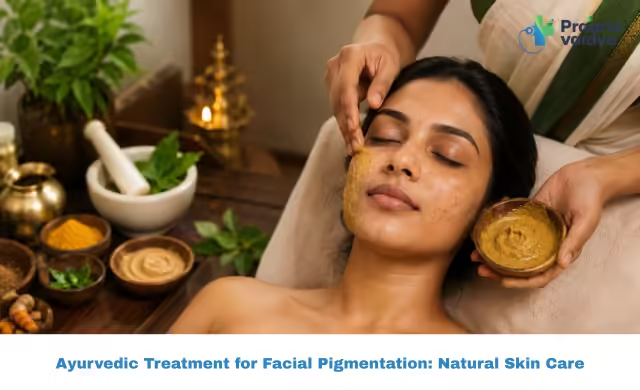
3. Ayurvedic External Applications
Depending on skin sensitivity and pigmentation pattern, practitioners may recommend herbal face packs, medicated oils, or topical Ayurvedic formulations to support skin health.
4. Dietary Recommendations
Diet plays an important role in maintaining healthy skin.
Patients may be advised to:
- Eat fresh seasonal fruits and vegetables
- Stay well hydrated
- Reduce excessively spicy and oily foods
- Include antioxidant-rich foods
- Support healthy digestion
5. Lifestyle Guidance
Simple daily habits can support long-term skin health.
Recommendations may include:
- Protecting the skin from excessive sun exposure
- Managing stress
- Maintaining adequate sleep
- Following a consistent skincare routine
- Avoiding harsh cosmetic products
Conclusion
Melasma and dark spots are common skin concerns that often require more than topical creams alone. Ayurvedic treatment for facial pigmentation takes a holistic approach by addressing internal imbalances, supporting healthy digestion, and promoting skin wellness through personalized herbal care, dietary guidance, and traditional Ayurvedic therapies.
At Praanavaidya, we focus on helping individuals achieve healthier, more balanced skin naturally with treatment plans tailored to their unique constitution and skin concerns.
Visit Us At –
Rajajinagar- 08065903133
Hubballi – 08065903145
Indiranagar- 08065903135
Mumbai-08065903118
Yelahanka- 08065903134
Mangaluru-08065903136
Chamrajpet-08065903132
Frequently Asked Questions
Can Ayurveda help with melasma?
Ayurveda aims to support healthy skin by addressing internal imbalances, digestion, and lifestyle factors that may contribute to melasma.
Can dark spots be treated naturally?
Depending on the cause, a combination of skincare, sun protection, healthy nutrition, and personalized Ayurvedic care may help improve the appearance of dark spots over time.
Does Ayurveda treat the root cause of pigmentation?
Ayurveda focuses on understanding the individual’s constitution, digestive health, and dosha balance rather than addressing only the visible skin changes.
Are Panchakarma therapies useful for skin pigmentation?
Certain Panchakarma therapies may be recommended for suitable individuals as part of a comprehensive Ayurvedic skin care plan.
How long does Ayurvedic treatment for facial pigmentation take?
The duration varies based on the type and severity of pigmentation, overall health, and adherence to the treatment plan. An Ayurvedic physician can provide individualized guidance.
Praanavaidya
Healthcare Professional
Focused on patient-centric care and evidence-based treatment plans.
More from Praanavaidya