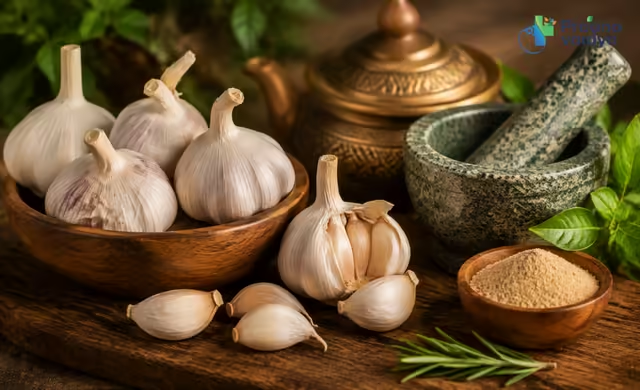
Garlic is one of the most familiar ingredients in traditional Indian kitchens, but its history extends well beyond cooking. Known as Lasuna or Lashuna in Ayurveda, garlic has traditionally been valued for its pungent nature, warming qualities, and strong aromatic character.
Ayurvedic texts and traditions have used garlic in dietary and medicinal preparations, particularly in contexts involving digestion, Vata-related imbalances, and general nourishment. Its distinctive flavour comes from sulphur-containing compounds, including allicin, which forms when garlic is chopped or crushed.
Interest in the Ayurvedic health benefits of garlic has grown alongside modern research investigating garlic’s possible effects on cardiovascular health, blood pressure, cholesterol, glucose metabolism, and antimicrobial activity.
However, traditional use and modern scientific evidence are not identical. Garlic should not be promoted as a cure for chronic diseases or as a replacement for prescribed treatment.
From an Ayurvedic perspective, garlic is best understood according to its qualities, quantity, preparation, individual constitution, digestive capacity, and current Dosha state.
What Is Garlic?
Garlic, botanically known as Allium sativum, is a bulb-forming plant belonging to the same broad plant family as onions and shallots.
The bulb consists of individual cloves enclosed within a protective outer layer.
Garlic can be consumed in several forms:
- Fresh cloves
- Cooked garlic
- Dried garlic
- Garlic powder
- Garlic paste
- Garlic oil
- Standardised garlic supplements
Fresh garlic contains sulphur compounds that change when the cloves are crushed, chopped, or otherwise damaged.
These compounds are responsible for much of garlic’s distinctive smell and have also been the subject of scientific research.
What Is Garlic Called in Ayurveda?
Garlic is traditionally known as Lasuna or Lashuna in Ayurveda.
It is generally described as having a strong, pungent character and warming qualities.
Traditional Ayurvedic descriptions associate garlic with properties that may support:
- Digestion
- Circulation
- Vata-oriented care
- Kapha-related heaviness
- Strength and nourishment
At the same time, its strong and heating nature means that garlic is not necessarily appropriate in large quantities for everyone.
Ayurvedic Properties of Garlic
Ayurveda evaluates substances using concepts such as Rasa, Guna, Virya, and Vipaka.
Garlic is traditionally considered:
- Predominantly pungent
- Warming
- Strongly aromatic
- Stimulating
- Nourishing when appropriately used
Its warming and pungent nature helps explain its traditional association with Vata and Kapha.
However, these qualities can also make excessive garlic unsuitable for people who are sensitive to heat, irritation, acidity, or digestive discomfort.
10 Ayurvedic Health Benefits of Garlic
1. Traditionally Supports Digestive Function
Garlic has traditionally been used as a digestive-supporting food and herb.
Its pungent and warming qualities are considered useful in dietary approaches where digestion is viewed as sluggish.
It may be included in meals containing foods that feel heavy or difficult to digest.
Garlic is commonly combined with other spices such as:
- Ginger
- Cumin
- Black pepper
- Turmeric
- Coriander
These combinations are common in Indian cooking and can make meals flavourful while contributing aromatic plant compounds.
However, garlic may aggravate heartburn or digestive irritation in some people.
2. May Support Healthy Cardiovascular Function
Garlic is one of the most extensively studied culinary herbs in relation to cardiovascular health.
Research has investigated garlic and garlic preparations for outcomes including:
- Blood pressure
- Cholesterol
- Cardiovascular risk factors
Some studies suggest that particular garlic preparations may produce modest effects on blood pressure or lipid measures.
However, these effects depend on the preparation, dose, duration, and individual characteristics.
Garlic should not replace prescribed blood-pressure or cholesterol medication.
3. Traditionally Associated With Vata Balance
Garlic is traditionally considered particularly relevant to Vata-oriented Ayurvedic approaches.
Vata is associated with qualities such as:
- Coldness
- Dryness
- Lightness
- Mobility
- Irregularity
Garlic’s warming, pungent, and somewhat unctuous qualities are traditionally viewed as potentially counterbalancing some of these characteristics.
This is one reason garlic has historically been included in certain Ayurvedic dietary and therapeutic preparations.
However, individual assessment remains important.
4. May Help With Feelings of Digestive Heaviness
Traditional dietary practices frequently use pungent spices when meals are perceived as heavy or difficult to digest.
Garlic may be useful as part of a meal when someone experiences occasional:
- Heaviness after eating
- Reduced appetite
- Gas
- Sluggish digestion
However, persistent bloating or abdominal discomfort should not automatically be treated with more garlic.
Recurring symptoms may have an underlying gastrointestinal cause.
5. Contains Antioxidant Compounds
Garlic contains several sulphur-containing and other plant compounds that have been studied for antioxidant activity.
When garlic is crushed, compounds such as allicin can form.
These compounds have attracted considerable scientific interest.
However, antioxidant activity in laboratory studies does not mean that eating garlic will prevent a specific disease.
Garlic is best considered one component of a varied and nutritious diet.
6. Traditionally Used in Seasonal Wellness
Garlic is a common ingredient in traditional food preparations during colder weather.
Its warming and pungent qualities make it particularly suited to hearty dishes and spice combinations.
Traditional meals may combine garlic with:
- Ginger
- Pepper
- Cumin
- Turmeric
- Mustard seeds
These foods can provide warmth and flavour without requiring garlic to be treated as a medicinal cure.
7. May Have Antimicrobial Properties
Garlic’s sulphur-containing compounds, especially allicin, have demonstrated antimicrobial activity in laboratory research.
This has contributed to scientific interest in garlic’s potential role in microbial health.
However, eating garlic cannot be considered a substitute for antibiotics or medical treatment when an infection is present.
A bacterial infection requiring treatment should be managed by an appropriate healthcare professional.
8. May Support Healthy Blood Pressure
Some clinical research has examined garlic preparations for blood-pressure reduction.
Certain studies suggest modest improvements in blood-pressure measurements, particularly with specific aged or standardised garlic preparations.
However, results are not identical across all products.
People taking blood-pressure medication should discuss concentrated garlic supplements with their healthcare professional because combining products may influence blood pressure excessively.
9. May Support Healthy Cholesterol Levels
Garlic has also been studied for its potential effect on blood lipid levels.
Some research suggests that certain garlic preparations may produce modest reductions in total or LDL cholesterol.
The effect should not be compared with that of prescribed cholesterol-lowering medication.
Dietary garlic can be part of a heart-healthy diet, but it should not be relied upon as a treatment for high cholesterol.
10. Traditionally Used for Strength and Nourishment
Garlic has traditionally been viewed as a strong and nourishing food in certain Ayurvedic contexts.
It has been included in preparations intended to support strength, especially when Vata-related depletion is considered relevant.
This traditional application should not be interpreted as evidence that garlic can treat chronic fatigue, weakness, or nutritional deficiencies.
Persistent fatigue deserves appropriate evaluation.
How to Include Garlic in an Ayurvedic Diet
Garlic can easily be incorporated into ordinary meals.
Garlic in Vegetable Preparations
Cook garlic with vegetables and suitable spices.
Garlic in Dal
A small amount of cooked garlic can be added to dal for flavour and aroma.
Garlic in Soups
Garlic works well in vegetable or lentil soups.
Garlic With Ginger
Garlic and ginger are frequently combined in traditional Indian cooking.
Garlic in Spice-Based Meals
Garlic can form part of a balanced spice mixture containing cumin, coriander, turmeric, or other ingredients.
Moderation is important because garlic has a strong flavour and warming quality.
Garlic and Honey: Is This an Ayurvedic Remedy?
Garlic mixed with honey is widely promoted online as a natural remedy for immunity, cough, weight loss, and detoxification.
Although both ingredients have traditional uses, there is insufficient evidence to describe this combination as a universal treatment.
Honey should also not be given to infants under one year of age because of the risk of infant botulism.
For persistent cough, recurrent infections, or other symptoms, appropriate medical evaluation is more important than relying on a garlic-and-honey mixture.
Garlic for Immunity: What Does the Ayurveda Say?
Garlic is often marketed as an immunity booster.
Garlic contains bioactive compounds that have demonstrated antimicrobial and immune-related effects in laboratory and some human research.
However, this does not mean that garlic prevents every infection.
A healthy immune system depends on many factors:
- Adequate nutrition
- Good sleep
- Physical activity
- Stress management
- Vaccination where appropriate
- Management of underlying health conditions
Garlic can be part of a nutritious diet, but it should not be treated as an immune-system cure.
Common Myths About Garlic
Myth 1: Garlic Cures Every Infection
Garlic has antimicrobial compounds, but it is not a replacement for appropriate treatment of bacterial or other infections.
Myth 2: Eating Raw Garlic Every Morning Is Necessary
There is no universal requirement to consume raw garlic daily.
Myth 3: Garlic Automatically Lowers Cholesterol
Certain preparations may have modest effects, but garlic cannot be considered a replacement for evidence-based cholesterol management.
Myth 4: Garlic Burns Belly Fat
There is no strong evidence that garlic alone causes significant fat loss.
Myth 5: More Garlic Means Better Health
Excessive amounts can cause digestive and other adverse effects.
Myth 6: Garlic Is Suitable for Every Dosha
Its heating and pungent qualities mean that individual tolerance and Dosha characteristics matter.
Final Thoughts
The Ayurvedic health benefits of garlic are closely connected with its distinctive warming, pungent, aromatic, and nourishing qualities.
Known as Lasuna in Ayurveda, garlic has traditionally been used in dietary and therapeutic preparations, particularly in approaches associated with digestion, Vata, Kapha, strength, and seasonal wellness.
Modern research has also investigated garlic for cardiovascular risk factors, blood pressure, cholesterol, glucose metabolism, and antimicrobial activity. Some findings are encouraging, but results depend on the preparation and individual circumstances.
Garlic is most practical as part of everyday food. Adding modest amounts to vegetables, dal, soups, curries, and other balanced meals can provide flavour and naturally occurring plant compounds without turning the spice into a supposed miracle medicine.
At the same time, concentrated garlic supplements and garlic oil require more caution. Garlic can cause digestive irritation and may interact with medicines, particularly those affecting blood clotting, blood pressure, or blood sugar.
From an Ayurvedic perspective, the key is appropriate use rather than excessive use. The qualities of garlic should be considered alongside Prakriti, Vikriti, Agni, Dosha status, season, diet, and individual tolerance.
A balanced Ayurvedic lifestyle is built from many factors—not one herb or spice. Garlic can have a valuable place within that approach when used thoughtfully and appropriately.
Visit Us in-
Rajajinagar- 08065903133
Hubballi – 08065903145
Indiranagar- 08065903135
Mumbai-08065903118
Yelahanka- 08065903134
Mangaluru-08065903136
Chamrajpet-08065903132
Delhi-08065903140
Lucknow-08065903130
Frequently Asked Questions About the Ayurvedic Health Benefits of Garlic
What are the Ayurvedic health benefits of garlic?
Garlic is traditionally valued for its warming, pungent, aromatic, and nourishing qualities. Ayurvedic traditions have used it in dietary and therapeutic preparations associated with digestion, Vata-oriented care, and general strength.
What is garlic called in Ayurveda?
Garlic is commonly known as Lasuna or Lashuna in Ayurveda.
Is garlic good for digestion?
Garlic is traditionally used to support digestion, particularly when sluggishness or heaviness is considered prominent. However, it may worsen heartburn or irritation in some people.
Can garlic help immunity?
Garlic contains biologically active compounds that have been studied for antimicrobial and immune-related effects. It can be part of a healthy diet but should not be considered a guaranteed way to prevent infections.
Can I eat garlic every day?
Many people consume garlic regularly as a culinary ingredient. The appropriate amount depends on individual tolerance, dietary pattern, and health circumstances.
Praanavaidya
Healthcare Professional
Focused on patient-centric care and evidence-based treatment plans.
More from Praanavaidya