Women often move through very different stages of life, from busy working years and motherhood to menopause and beyond. With changing routines, responsibilities and lifestyle patterns, many women look for structured ways to prioritise rest, diet and self-care.
Panchakarma for women is an Ayurvedic approach that involves a planned period of practitioner-guided therapies, dietary routines and lifestyle practices. However, Panchakarma is not a one-size-fits-all programme, and not every woman necessarily needs it.
At Praanavaidya, Panchakarma programmes can be considered as part of an individualized Ayurvedic wellness approach. Understanding what Panchakarma involves, what women commonly look for from it and when professional guidance is important can help you make a more informed decision.
Interested in exploring Panchakarma?
What Is Panchakarma?
Panchakarma is a traditional Ayurvedic system involving a series of therapies and supportive practices planned according to an individual’s needs.
The word “Panchakarma” refers to five traditional therapeutic approaches within Ayurveda. In practice, however, a Panchakarma programme may involve several stages, including preparation, specific therapies and a period of post-treatment care.
The exact approach can vary depending on factors such as:
- Individual constitution and lifestyle
- Age and stage of life
- Dietary habits
- Daily routine
- Current wellbeing
- Previous Ayurvedic therapies
- Practitioner assessment
This is why searching for a fixed Panchakarma treatment for women may not give the complete picture. The programme is generally planned rather than selected from a standard menu of therapies.
Why Do Women Consider Panchakarma?
The reasons women explore Panchakarma can be quite different.
Some may be interested in having a more structured wellness routine. Others may want to spend dedicated time focusing on food, rest, daily habits and traditional Ayurvedic therapies.
Common reasons for exploring Panchakarma include:
- Wanting a structured period of self-care
- Taking a break from an irregular daily routine
- Exploring traditional Ayurvedic therapies
- Following a practitioner-guided dietary routine
- Learning more about personalised Ayurveda
- Creating more consistency around lifestyle habits
- Exploring wellness practices during different stages of life
It is important to keep expectations realistic. Panchakarma should not be viewed as something every woman needs or as a guaranteed solution for a particular health concern. The suitability and experience can differ from person to person.
What Are the Traditional Benefits of Panchakarma for Women?
When discussing the benefits of Panchakarma for women, it is useful to distinguish traditional Ayurvedic perspectives from guaranteed health outcomes.
Ayurvedic practitioners may describe Panchakarma in the context of supporting a more disciplined routine, mindful eating, rest and personalised care.
For women, the experience may include:
A structured wellness routine
A Panchakarma programme creates a defined period in which meals, therapies, rest and daily activities are planned more deliberately.
For someone with an inconsistent routine, this structure can make it easier to pay attention to everyday habits.
Greater attention to diet
Food is an important part of many Ayurvedic programmes. During Panchakarma, dietary recommendations may be provided according to the individual’s programme.
This can encourage greater awareness of meal timing, food choices and eating patterns.
Dedicated time for rest
Modern routines can leave little room for intentional rest. A practitioner-guided programme may provide an opportunity to slow down and focus on self-care.
Personalised Ayurvedic guidance
Rather than following the same routine as someone else, women can discuss their individual circumstances with an Ayurvedic practitioner.
This personalised approach is particularly relevant when considering Panchakarma during different stages of life.
A focus on lifestyle habits
Panchakarma is not only about individual therapies. Depending on the programme, attention may also be given to food, sleep routines, daily activities and other lifestyle practices.
Who May Consider Panchakarma?
There is no single category of women who “needs” Panchakarma.
A better approach is to consider whether a structured Ayurvedic programme fits your current circumstances and expectations.
Women who may be interested in exploring Panchakarma include those who:
- Want to learn more about traditional Ayurvedic wellness practices
- Prefer a practitioner-guided approach rather than choosing therapies independently
- Want to dedicate time to a structured self-care routine
- Are interested in combining traditional therapies with lifestyle and dietary guidance
- Want to understand how an Ayurvedic programme may be personalised for them
The decision should be based on individual assessment rather than online checklists or recommendations from friends.
Panchakarma for Women at Different Stages of Life
Women’s needs and routines can change significantly over time. This is one reason an individualised approach is important.
Young and working women
Long working hours, irregular meals and limited time for self-care may lead some women to explore structured wellness programmes.
For these women, the focus may be on creating a more consistent routine around food, rest and personal wellbeing.
Women managing family responsibilities
Women balancing work, family and caregiving responsibilities may find it difficult to dedicate time to themselves.
A planned wellness programme can provide an opportunity to intentionally set aside time for self-care.
Women during perimenopause and menopause
Perimenopause and menopause represent significant stages of transition. Women considering Panchakarma during this period should discuss their individual circumstances with a qualified practitioner before beginning any programme.
The timing, therapies and overall approach should be considered individually rather than following a generic Panchakarma plan.
Women after childbirth
The period after childbirth requires particular attention to individual recovery, nutrition, rest and overall wellbeing.
Women who are recently postpartum should not assume that a standard Panchakarma programme is appropriate. Any Ayurvedic programme during this stage should be discussed with an appropriately qualified practitioner.
Who Should Not Start Panchakarma Without Professional Guidance?
Panchakarma involves specific therapies and routines, so self-selecting treatments based on online information is not a good approach.
Professional guidance is especially important when considering Panchakarma during circumstances such as:
- Pregnancy
- Recent childbirth
- Significant changes in health or wellbeing
- Ongoing medical care
- Use of regular medicines
- Recovery from a recent procedure or surgery
- Other situations where a practitioner recommends additional assessment
The important point is simple: do not assume that a Panchakarma programme suitable for one person will automatically be suitable for you.
What Happens During a Panchakarma Programme?
The exact process can differ between individuals and centres. A general programme may involve several stages.
1. Initial assessment
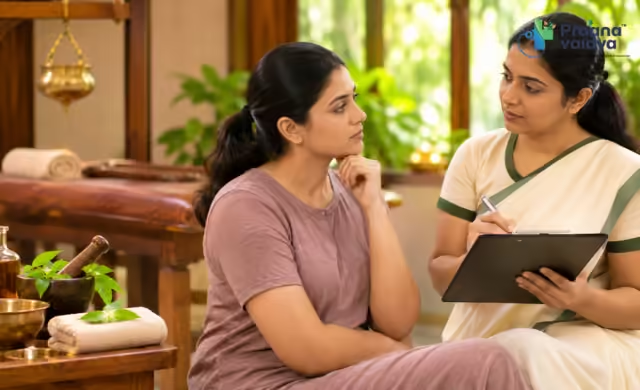
The practitioner discusses your lifestyle, routine, dietary habits and relevant personal circumstances.
2. Preparation
Some Panchakarma programmes begin with preparatory practices. These may involve changes to diet, daily routine or other practitioner-guided preparations.
3. Main therapies
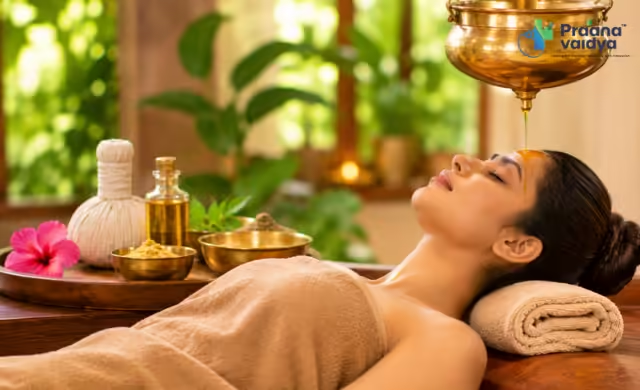
Specific Ayurvedic therapies are selected according to the individual’s programme.
The therapies used, their duration and their sequence can vary.
4. Rest and dietary routine
Food and daily activities may be adjusted during the programme. The purpose is to maintain a structured routine throughout the process.
5. Post-programme guidance
The programme may include recommendations for gradually returning to a regular routine.
This stage is important because Panchakarma should be viewed as a planned process rather than simply a single therapy session.
How to Prepare for Panchakarma
If you are considering Panchakarma, preparation can make the experience easier to manage.
Before beginning, consider:
- Discussing your expectations with the practitioner
- Sharing relevant health and lifestyle information
- Understanding the planned duration
- Asking what dietary changes may be recommended
- Planning your work and family schedule
- Understanding which therapies are included
- Asking about preparation and post-programme routines
- Avoiding self-prescribing Ayurvedic therapies
It is also useful to approach Panchakarma with realistic expectations. A structured programme can support mindful routines, but individual experiences can vary.
How to Choose a Panchakarma Centre
Choosing the right centre is about more than simply finding a place that offers Panchakarma.
Consider asking:
- Who will conduct the initial assessment?
- Is the programme personalised?
- Will the practitioner explain each stage?
- Are the therapies clearly explained before beginning?
- Is the dietary routine discussed in advance?
- What kind of follow-up guidance is provided?
- Does the centre have a clear process for addressing individual concerns?
A transparent conversation before starting can help you understand what to expect.
Panchakarma for Women: What to Remember
Panchakarma is a traditional Ayurvedic approach that may be explored as part of a structured wellness routine. However, it should not be treated as a universal requirement for women.
The most important considerations are individual suitability, professional guidance, realistic expectations and a clearly planned programme.
Whether you are exploring Ayurveda for the first time or already familiar with traditional therapies, understanding the process can help you decide whether Panchakarma fits your current lifestyle and goals.
Praanavaidya offers Ayurvedic care across
Rajajinagar- 08065903133
Hubballi – 08065903145
Indiranagar- 08065903135
Mumbai-08065903118
Yelahanka- 08065903134
Mangaluru-08065903136
Jayanagar- 08065903132
Delhi-08065903140
Lucknow-08065903130
If you are considering Panchakarma, contact your nearest Praanavaidya centre to discuss your requirements and learn more about the available approach.
FAQs
What is Panchakarma for women?
Panchakarma for women refers to a practitioner-guided Ayurvedic programme involving selected traditional therapies, dietary routines and lifestyle practices. The exact programme can vary according to individual circumstances.
What are the benefits of Panchakarma for women?
Traditional Ayurvedic practice discusses Panchakarma in the context of structured routines, dietary awareness, rest and personalised care. Individual experiences can vary, and it should not be considered a guaranteed solution for a specific health concern.
Is Panchakarma suitable for every woman?
No. Panchakarma is not a one-size-fits-all programme. Suitability can depend on factors such as age, lifestyle, stage of life and individual circumstances. A practitioner assessment is recommended before beginning.
Can women do Panchakarma during pregnancy?
Pregnancy is a specific stage of life that requires individual consideration. Women who are pregnant should discuss any Panchakarma programme with an appropriately qualified practitioner rather than starting one independently.
Can Panchakarma be done after childbirth?
The postpartum period requires individual consideration. Women who have recently given birth should discuss timing and suitability with a qualified practitioner before considering Panchakarma.
How long does Panchakarma take for women?
There is no single duration that applies to every person. The length can depend on the programme, therapies selected, preparation and post-programme guidance.
Can I do Panchakarma at home?
Some Ayurvedic lifestyle practices may be suitable for home use, but Panchakarma should not be self-planned by selecting therapies from online information. A personalised programme should be discussed with a qualified practitioner.
Praanavaidya
Healthcare Professional
Focused on patient-centric care and evidence-based treatment plans.
More from Praanavaidya