
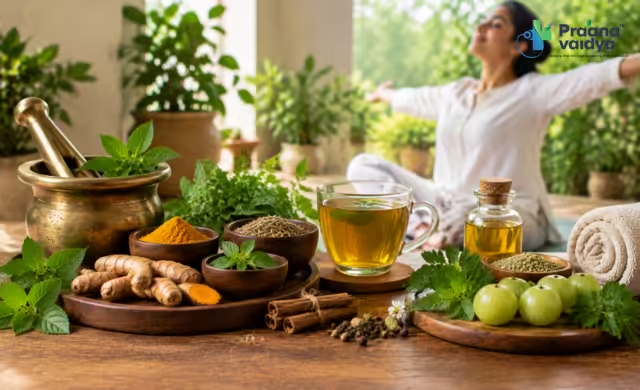
Everyday concerns such as occasional digestive discomfort, mild throat irritation, temporary tiredness, stress, difficulty maintaining a regular sleep routine, or dry skin can affect daily wellbeing.
Many people look for simple and natural approaches that can be incorporated into their routines. Ayurvedic remedies have traditionally been used as part of a broader system that includes food, herbs, lifestyle practices, daily routines, yoga, massage, and individualized care.
Ayurveda does not necessarily follow a “one symptom, one remedy” approach. Traditional Ayurvedic assessment may consider factors such as individual constitution, digestion, lifestyle, season, age, and the nature of the symptoms.
At Praanavaidya, these principles can be explored as part of a personalized approach to Ayurvedic wellness.
However, natural remedies are not automatically safe or suitable for everyone. Persistent, severe, or unexplained symptoms require appropriate medical evaluation.
What Are Ayurvedic Remedies?
Ayurvedic remedies are traditional practices and preparations used within the broader Ayurvedic system.
Depending on the purpose and individual needs, they may include:
- Herbal preparations
- Traditional dietary practices
- Culinary spices
- Herbal drinks
- Oil applications
- Massage
- Yoga
- Breathing practices
- Meditation
- Sleep routines
- Daily wellness practices
Some practices are traditionally used to support general comfort and wellbeing rather than to treat a specific disease.
This distinction is important because a traditional wellness practice should not automatically be considered a medically proven treatment for a health condition.
Why Does Ayurveda Use an Individualized Approach?
Ayurveda traditionally considers that health needs can differ from one person to another.
An Ayurvedic assessment may consider:
- Prakriti: individual constitution
- Vikriti: the person’s current state or imbalance in Ayurvedic terms
- Agni: digestive and metabolic function in Ayurvedic theory
- Age
- Season
- Diet
- Lifestyle
- Sleep
- Physical activity
- Stress
- Nature and duration of symptoms
Because of these differences, a remedy traditionally used by one person may not be appropriate for another.
This is especially important when considering concentrated herbs or Ayurvedic formulations rather than ordinary culinary ingredients.
Ayurvedic Remedies for Common Everyday Concerns
1. Occasional Digestive Discomfort
Digestive wellbeing is an important part of traditional Ayurveda.
Simple Ayurvedic-inspired habits may include:
- Eating at reasonably consistent times
- Avoiding overeating
- Eating slowly
- Choosing freshly prepared foods
- Staying appropriately hydrated
- Identifying foods that repeatedly cause discomfort
- Using culinary spices appropriately
Ginger, cumin, coriander, and fennel are commonly used in traditional food preparations.
However, persistent abdominal pain should not automatically be attributed to poor digestion or an Ayurvedic imbalance.
Seek medical evaluation for symptoms such as:
- Persistent or severe abdominal pain
- Repeated vomiting
- Blood in the stool
- Black stools
- Unexplained weight loss
- Persistent diarrhea
- Long-lasting digestive symptoms
2. Mild Throat Irritation
Warm fluids and adequate hydration can help provide comfort when the throat feels dry or mildly irritated.
Traditional household practices may include:
- Warm water
- Mild herbal preparations
- Warm fluids with commonly used kitchen ingredients
- Honey for appropriate age groups
Honey should never be given to infants younger than one year.
A severe or persistent sore throat, difficulty swallowing or breathing, significant fever, or worsening symptoms requires medical assessment.
3. Occasional Cough
Several herbs and spices have a long history of traditional use in Ayurvedic respiratory wellness practices.
Common household ingredients include:
- Ginger
- Tulsi
- Honey
- Turmeric
- Warm fluids
These practices may provide comfort for some people, but they should not be considered guaranteed treatments for the underlying cause of a cough.
A cough can result from many different conditions, including infections, allergies, asthma, reflux, medication effects, or other respiratory problems.
Seek professional evaluation if a cough:
- Persists for several weeks
- Keeps returning without an obvious reason
- Produces blood
- Is associated with chest pain
- Causes significant breathing difficulty
- Is accompanied by severe or worsening symptoms
4. Stress and Mental Fatigue
Ayurvedic wellness is not limited to herbs and dietary remedies.
Traditional Ayurvedic practices also include mind-body approaches that may support relaxation and a balanced daily routine.
These may include:
- Meditation
- Gentle yoga
- Appropriate breathing practices
- Relaxation exercises
- Abhyanga
- Spending time outdoors
- Maintaining regular sleep
- Reducing excessive stimulation before bedtime
These practices can be useful as part of general wellbeing, but persistent anxiety, depression, panic symptoms, or significant changes in mood require appropriate professional support.
5. Supporting a Healthy Sleep Routine
Ayurveda traditionally places importance on regular daily routines.
An Ayurvedic-inspired sleep routine may include:
- Going to bed at a consistent time
- Waking at a reasonably consistent time
- Reducing stimulating activities before bed
- Keeping evening meals comfortable and appropriate
- Limiting unnecessary late-night screen use
- Practising gentle relaxation
- Maintaining a quiet and comfortable sleeping environment
These principles overlap with commonly recommended sleep-hygiene practices.
If insomnia is persistent or significantly affects daytime functioning, medical evaluation may be appropriate.
6. Dry Skin
Traditional Ayurvedic oil applications are commonly used for skin care and massage.
Depending on individual suitability, oils such as sesame or coconut oil may be used traditionally.
Before applying an oil or herbal preparation over a larger area, it can be sensible to test a small area first, particularly if you have sensitive skin.
Avoid applying unverified preparations to:
- Open wounds
- Infected skin
- Severely irritated areas
- Areas with an unexplained rash
- Areas showing signs of an allergic reaction
Persistent itching, spreading rashes, significant swelling, skin infections, or unexplained skin changes should be evaluated by a healthcare professional.
7. Everyday Muscle Tension
Warmth, gentle massage, stretching, and movement are traditionally used in various Ayurvedic wellness routines.
For mild everyday muscle tension, an appropriate routine may include:
- Gentle stretching
- Warm bathing
- Light massage
- Yoga
- Regular physical activity
- Adequate rest
However, sudden severe pain, significant swelling, weakness, numbness, loss of movement, or pain following a serious injury requires medical evaluation.
Common Ayurvedic Kitchen Ingredients
Many traditional Ayurvedic practices incorporate ingredients that are already familiar in Indian kitchens.
Ginger
Ginger is traditionally valued for its warming qualities and is commonly used in food and beverages.
Turmeric
Turmeric is widely used as a culinary spice and has a long history of traditional use in Ayurveda.
Cumin
Cumin is commonly included in traditional food preparations and is traditionally associated with digestive comfort.
Fennel
Fennel seeds are traditionally consumed after meals in some households and are commonly associated with digestive wellbeing.
Cinnamon
Cinnamon is traditionally used as a warming spice in food and beverages.
Tulsi
Tulsi, also known as holy basil, has a long history of use in Indian traditional wellness practices.
Using these ingredients in normal culinary quantities is different from taking concentrated extracts or supplements.
Kitchen Ingredients vs Ayurvedic Herbal Formulations
A common misconception is that every Ayurvedic remedy is simply a kitchen ingredient.
Ayurveda also includes specialized preparations such as:
- Churna
- Kashaya
- Taila
- Ghrita
- Asava
- Arishta
- Tablets and other formulations
These preparations can contain concentrated or multiple ingredients and may have active effects in the body.
Therefore, they should not automatically be treated like ordinary food spices.
Professional guidance is particularly important when using concentrated Ayurvedic formulations, especially alongside prescription medicines.
How to Choose an Ayurvedic Remedy Responsibly
Before trying an Ayurvedic home remedy, consider the following questions.
1. What Is the Actual Problem?
A symptom does not always reveal its underlying cause.
For example, stomach discomfort could be related to dietary habits, reflux, infection, medication effects, or another condition.
Identifying the cause is more important than simply suppressing a symptom.
2. How Long Has the Symptom Been Present?
An occasional mild symptom is different from one that is persistent, recurrent, or progressively worsening.
If a symptom does not improve within a reasonable period, consider seeking professional advice.
3. Are There Any Warning Signs?
Do not rely on home remedies when symptoms include:
- Severe pain
- Heavy or unexplained bleeding
- Fainting
- Difficulty breathing
- Difficulty swallowing
- Severe dehydration
- Sudden deterioration
- Unexplained weight loss
These symptoms require appropriate medical evaluation.
4. Are You Taking Any Medicines?
Some herbs and supplements can interact with prescription and over-the-counter medicines.
Always tell your healthcare providers about herbal products and supplements you use.
5. Is the Remedy Appropriate for You?
Age, pregnancy, breastfeeding, allergies, existing health conditions, and other factors can influence whether a remedy is suitable.
The Role of Dinacharya in Ayurvedic Wellness
One of the practical concepts in Ayurveda is Dinacharya, traditionally referring to a structured daily routine.
Rather than depending on a remedy only when a symptom appears, this approach emphasizes consistent lifestyle habits.
Morning
- Wake at a reasonably consistent time.
- Hydrate appropriately.
- Practise personal and oral hygiene.
- Perform gentle movement.
- Eat an appropriate breakfast if it suits your routine.
Daytime
- Eat balanced meals.
- Stay physically active.
- Take breaks from prolonged sitting.
- Maintain appropriate hydration.
- Make time for relaxation when possible.
Evening
- Choose an appropriate evening meal.
- Reduce unnecessary stimulation.
- Practise relaxation.
- Prepare for sleep at a consistent time.
A simple routine that can be followed consistently is often more practical than using numerous remedies.
Ayurvedic Remedies and Modern Wellness
Some Ayurvedic lifestyle practices overlap with widely accepted healthy-living principles.
For example:
- Eating a balanced diet
- Maintaining regular physical activity
- Getting adequate sleep
- Managing stress
- Practising good personal hygiene
- Maintaining a consistent routine
However, traditional use and modern scientific evidence are not the same thing.
The fact that an ingredient has been used traditionally does not automatically prove that it can prevent or cure a particular disease.
For health conditions requiring diagnosis or treatment, appropriate medical care remains important.
Can Ayurvedic Remedies Replace Medical Treatment?
No.
Ayurvedic remedies may be used as complementary wellness practices when appropriate, but they should not replace diagnosis, prescribed medicines, or evidence-based treatment for serious medical conditions.
This is particularly important for people with conditions such as:
- Diabetes
- High blood pressure
- Asthma
- Heart disease
- Kidney disease
- Liver disease
- Cancer
- Serious infections
If you consult an Ayurvedic practitioner, provide complete information about your medical conditions, medicines, supplements, and ongoing treatments.
Who Should Be Especially Careful With Herbal Remedies?
Additional caution is appropriate for:
- Children
- Older adults
- Pregnant individuals
- Breastfeeding individuals
- People with liver or kidney conditions
- People taking multiple medicines
- People preparing for surgery
- Individuals with known allergies
The term “natural” does not mean “risk-free.”
Some herbal products can cause side effects, interact with medicines, or be unsuitable for particular medical conditions.
When Should You Stop Using a Home Remedy?
Stop using a remedy if you develop:
- A new rash
- Swelling
- Breathing difficulty
- Severe stomach discomfort
- Repeated vomiting
- Dizziness
- A new or worsening symptom
Seek urgent medical attention for serious allergic reactions, severe breathing difficulty, chest pain, fainting, or other emergency symptoms.
Do not continue a remedy simply because it is described as natural or traditional.
Common Mistakes to Avoid With Ayurvedic Home Remedies
Using Too Much
More is not necessarily better. Increasing the amount of an herb or preparation can increase the risk of unwanted effects.
Combining Multiple Herbs Without Guidance
Using several herbal products at the same time can make it difficult to identify side effects or potential interactions.
Replacing Prescribed Medicines
Do not stop prescribed medication simply because an Ayurvedic remedy appears to be helping.
Treating Every Symptom at Home
Persistent or unexplained symptoms may require diagnosis rather than repeated home treatment.
Assuming Traditional Use Means Proven Treatment
Traditional use provides historical context but does not by itself establish effectiveness or safety for every medical condition.
Conclusion
Ayurvedic remedies form part of a broader traditional approach to wellness that includes food, herbs, daily routines, movement, relaxation, and individualized care.
For everyday wellbeing, simple practices such as mindful eating, appropriate use of culinary ingredients, regular physical activity, adequate sleep, stress management, and a consistent routine can be incorporated into modern lifestyles.
However, responsible use is essential. A traditional remedy should not automatically be considered a proven treatment for a medical condition, and natural products can still have side effects or interact with medicines.
Persistent, severe, or unexplained symptoms should receive appropriate medical attention. Concentrated Ayurvedic herbs and formulations should also be selected carefully, particularly for children, pregnant or breastfeeding individuals, older adults, people with existing health conditions, and those taking medication.
At Praanavaidya, traditional Ayurvedic principles can be explored through an individualized approach that considers the person’s lifestyle, diet, routine, and overall wellness needs.
Visit Us in-
Rajajinagar- 08065903133
Hubballi – 08065903145
Indiranagar- 08065903135
Mumbai-08065903118
Yelahanka- 08065903134
Mangaluru-08065903136
Chamrajpet-08065903132
Delhi-08065903140
Lucknow-08065903130
Frequently Asked Questions
What are Ayurvedic remedies?
Ayurvedic remedies are traditional practices and preparations used within Ayurveda. They can include herbs, dietary practices, spices, oil applications, massage, yoga, breathing exercises, meditation, and daily-routine practices.
What are some common Ayurvedic home remedies?
Common traditional home practices may include appropriate use of kitchen spices, warm fluids, dietary adjustments, gentle oil application, relaxation, yoga, and regular daily routines. The suitability of a remedy depends on the individual and the purpose.
Are Ayurvedic remedies safe for everyone?
No. Safety depends on the specific remedy, dose, preparation, individual health, age, medicines, allergies, pregnancy status, and other factors.
Are Ayurvedic herbs safe with prescription medicines?
Not always. Some herbs and supplements may interact with medicines. Tell your healthcare professional about any Ayurvedic products or supplements you use.
Can I use Ayurvedic remedies at home?
Some simple practices can be incorporated into everyday wellness routines. However, concentrated herbal preparations should be used with appropriate professional guidance.
What Ayurvedic remedy is best for everyone?
There is no single Ayurvedic remedy that is suitable for everyone. Traditional Ayurveda emphasizes individualized assessment.
Can Ayurvedic remedies cure chronic diseases?
They should not be presented as guaranteed cures for chronic diseases. Chronic health conditions require appropriate diagnosis, monitoring, and treatment.
How long should I use an Ayurvedic home remedy?
The appropriate duration depends on the specific practice, its purpose, and the individual’s circumstances. If symptoms persist or worsen, seek professional evaluation rather than continuing home treatment indefinitely.
Can children use Ayurvedic remedies?
Children may require different preparations and doses, and some ingredients may not be suitable for them. Herbal products should be discussed with an appropriately qualified healthcare professional.
Can pregnant or breastfeeding individuals use Ayurvedic herbs?
Some herbs may not be appropriate during pregnancy or breastfeeding. Professional guidance should be obtained before using medicinal herbal preparations.
Are Ayurvedic kitchen spices considered remedies?
Many spices have traditional Ayurvedic uses. However, using a spice as part of normal cooking is different from taking concentrated extracts or medicinal preparations.
What is the safest way to begin Ayurvedic wellness?
A practical starting point is to focus on sustainable habits such as balanced nutrition, regular movement, adequate sleep, stress management, appropriate hydration, and a consistent daily routine. Professional guidance is recommended before using concentrated herbal preparations.
Praanavaidya
Healthcare Professional
Focused on patient-centric care and evidence-based treatment plans.
More from Praanavaidya