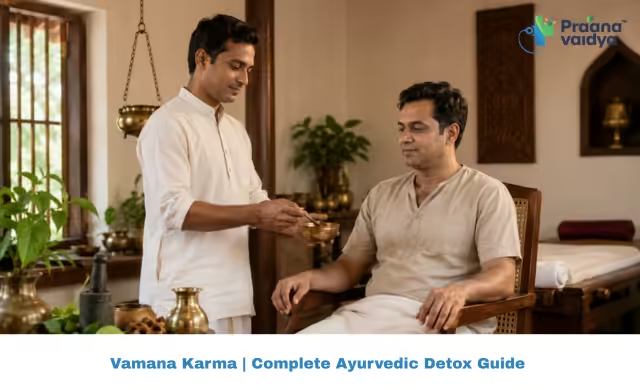
Vamana Karma is one of the most powerful detoxification therapies described in classical Ayurveda. Unlike temporary detox diets or juice cleanses, Vamana Karma is a physician-supervised therapeutic procedure designed to eliminate excess Kapha dosha from the body through controlled medicinal emesis.
At Praanavaidya, this treatment is performed only after careful patient evaluation and proper preparation. When indicated, Vamana Karma can help manage chronic respiratory disorders, allergies, certain skin diseases, obesity, digestive imbalance, and metabolic conditions by addressing their Ayurvedic root cause rather than simply suppressing symptoms.
In this guide, you’ll learn how Vamana Karma works, who can benefit, what happens during the procedure, recovery expectations, and why expert supervision is essential.
What Is Vamana Karma?
Vamana Karma is one of the five major Panchakarma purification therapies (Shodhana Chikitsa). It involves the therapeutic induction of vomiting using specially prepared herbal medicines to eliminate accumulated Kapha dosha and toxins (Ama) from the upper gastrointestinal tract.
Unlike vomiting caused by illness, this is a carefully planned medical procedure performed under strict Ayurvedic protocols.
According to Ayurvedic principles, excess Kapha accumulates in the stomach and chest before spreading throughout the body. By removing this accumulated Kapha, the body’s natural balance can be restored, improving overall health and reducing disease recurrence.
Why Is Vamana Karma Performed?
Ayurveda believes that many chronic diseases begin with the accumulation of doshas, particularly Kapha, combined with impaired digestion (Mandagni) and Ama formation.
Vamana Karma aims to:
- Remove accumulated Kapha from the stomach and respiratory passages
- Eliminate Ama (metabolic toxins)
- Improve digestion and metabolism
- Restore Dosha balance
- Enhance respiratory function
- Support healthy skin
- Improve energy levels
- Promote long-term wellness
Instead of managing symptoms alone, the therapy focuses on correcting the underlying imbalance.
Conditions That May Benefit from Vamana Karma
At Praanavaidya, Vamana Karma may be recommended for carefully selected patients suffering from Kapha-dominant disorders.
These include:
- Chronic sinusitis
- Allergic rhinitis
- Bronchial asthma
- Chronic cough
- Recurrent respiratory infections
- Obesity associated with Kapha imbalance
- Hypothyroidism (selected cases)
- Certain skin disorders including eczema and psoriasis
- Chronic indigestion
- Excessive mucus production
- Hyperlipidemia
- Recurrent allergies
The therapy is never prescribed solely based on a diagnosis. Your Ayurvedic physician evaluates your Prakriti, Vikriti, digestive strength, age, and overall health before recommending treatment.
How Vamana Karma Works
The treatment follows three important phases.
1. Purva Karma (Preparation)
Preparation is essential for safe and effective detoxification.
This stage usually lasts several days and may include:
- Internal oleation (Snehapana)
- External oil massage (Abhyanga)
- Herbal steam therapy (Swedana)
- Special Kapha-increasing diet before treatment
- Physician monitoring
These steps help loosen toxins and move excess Kapha toward the stomach for elimination.
2. Pradhana Karma (Main Procedure)
On the treatment day:
- The patient arrives early in the morning.
- Vital signs are checked.
- Herbal preparations are administered.
- Medicated liquids are given.
- Controlled therapeutic vomiting is induced.
- The physician closely monitors the entire process.
The procedure continues until classical signs of adequate purification are achieved.
Unlike self-induced vomiting, Vamana Karma follows specific Ayurvedic clinical guidelines regarding quantity, timing, and completion.
3. Paschat Karma (Recovery Phase)
Recovery is just as important as the detox itself.
Patients are gradually reintroduced to food through a structured dietary plan called Samsarjana Krama, beginning with easily digestible foods before returning to a regular diet.
Additional recommendations include:
- Adequate rest
- Avoiding heavy exercise
- Following prescribed medicines
- Maintaining proper hydration
- Attending follow-up consultations
Following these instructions helps maximize treatment benefits.
Benefits of Vamana Karma
When performed for the right indication under physician supervision, Vamana Karma may provide several health benefits.
Respiratory Health
Many patients experience reduced mucus production, easier breathing, and fewer respiratory flare-ups after treatment.
Better Digestion
Removing excess Kapha can improve digestive fire (Agni), reduce heaviness, and improve appetite.
Healthier Skin
Kapha-related skin disorders may improve as internal toxins are reduced and metabolism becomes more balanced.
Weight Management
Patients with Kapha-associated obesity often report feeling lighter and more energetic after appropriate detoxification.
Improved Energy
By reducing Ama accumulation, many individuals experience better physical stamina and mental clarity.
Enhanced Immunity
Balanced doshas and improved digestion contribute to stronger natural defenses according to Ayurvedic principles.
Who Should Avoid Vamana Karma?
Vamana Karma is generally avoided or postponed in:
- Pregnancy
- Elderly patients with poor strength
- Young children
- Severe heart disease
- Active bleeding disorders
- Severe dehydration
- Advanced liver disease
- Extreme weakness
- Certain neurological disorders
- Immediately after major surgery
Only an experienced Ayurvedic physician can determine whether this therapy is appropriate.
Recovery After Vamana Karma
Recovery generally depends on:
- Disease condition
- Age
- Digestive strength
- Degree of purification
- Compliance with dietary advice
During recovery patients are advised to:
- Eat light meals
- Avoid fried foods
- Avoid alcohol
- Sleep adequately
- Avoid strenuous exercise
- Follow prescribed medicines
- Attend scheduled follow-ups
Proper recovery is considered an integral part of successful Panchakarma.
Begin Your Ayurvedic Detox Journey at Praanavaidya
If you’re struggling with recurring allergies, chronic respiratory conditions, stubborn skin disorders, or Kapha-related metabolic imbalance, Vamana Karma may be an important part of your Ayurvedic treatment plan.
At Praanavaidya, our experienced physicians carefully evaluate every patient before recommending Panchakarma therapies, ensuring that treatment is safe, personalized, and aligned with classical Ayurvedic principles.
Book a consultation today to discover whether Vamana Karma is the right detox therapy for your health goals.
Visit Us At –
Rajajinagar- 08065903133
Hubballi – 08065903145
Indiranagar- 08065903135
Mumbai-08065903118
Yelahanka- 08065903134
Mangaluru-08065903136
Chamrajpet-08065903132
Frequently Asked Questions
Is Vamana Karma painful?
No. The procedure is carefully supervised and most patients tolerate it well. Some temporary fatigue afterward is expected.
How long does the treatment take?
Preparation usually takes several days, while the main procedure is completed in one day. Recovery continues for several more days depending on individual needs.
Is Vamana Karma safe?
Yes, when performed under qualified Ayurvedic physician supervision after proper evaluation.
Can everyone undergo Vamana Karma?
No. It is recommended only for suitable patients after detailed clinical assessment.
How often is Vamana Karma performed?
Some patients require only one treatment, while others may undergo repeat therapy based on their condition and physician recommendation.
Is Vamana Karma useful for allergies?
Many Kapha-related allergic conditions may benefit when Vamana Karma is appropriately indicated as part of a complete treatment plan.
Praanavaidya
Healthcare Professional
Focused on patient-centric care and evidence-based treatment plans.
More from Praanavaidya