
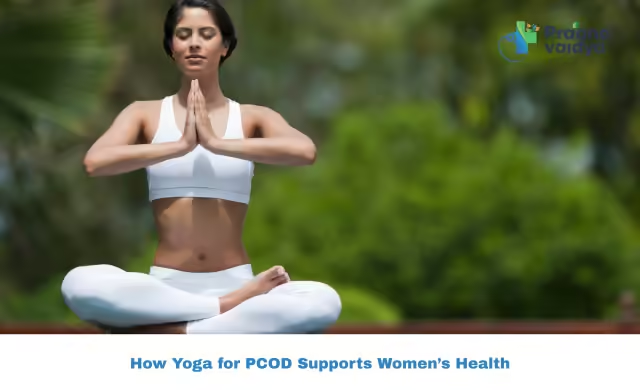
PCOD is one of the most common hormonal health concerns affecting women today. Irregular periods, weight gain, stress, acne, fatigue, mood fluctuations, and metabolic imbalance are some of the symptoms many women experience. While treatment approaches vary, many women are now looking for natural methods that support long-term hormonal wellness rather than temporary symptom management alone.
From an Ayurvedic perspective, hormonal balance is closely connected to digestion, metabolism, stress levels, lifestyle habits, and overall body balance. This is why many women explore yoga for pcod as part of a holistic Ayurvedic wellness approach.
At Praanavaidya, women’s hormonal health is approached through personalized Ayurvedic care that combines lifestyle guidance, digestive wellness, stress management, and holistic support naturally.
Understanding PCOD in Ayurveda
Ayurveda views PCOD as a condition influenced by imbalance in metabolism, digestion, lifestyle, and hormonal regulation. Factors such as poor food habits, stress, sedentary routine, inadequate sleep, and reduced physical activity may gradually disturb internal balance.
Common symptoms associated with PCOD include:
- Irregular menstrual cycles
- Weight gain
- Fatigue
- Mood changes
- Acne
- Digestive discomfort
- Low energy levels
Ayurveda focuses on restoring balance through sustainable lifestyle correction and overall wellness support.
Why Yoga Is Important for PCOD
Stress and inactive lifestyle patterns can strongly affect hormonal health. Many women with PCOD also experience emotional stress, sleep disturbance, and reduced physical activity, which may worsen symptoms over time.
This is why yoga for pcod is often recommended alongside Ayurvedic lifestyle support. Yoga not only supports physical movement but may also help improve relaxation, breathing patterns, and mind-body balance.
Best Yoga Poses Commonly Practiced for PCOD
Certain yoga poses are commonly practiced to support flexibility, relaxation, circulation, stress management, and overall hormonal wellness. From an Ayurvedic perspective, these practices may help improve balance within the body and support healthier lifestyle routines.
Butterfly Pose (Baddha Konasana)
Butterfly Pose is commonly practiced to improve flexibility around the pelvic region and support relaxation.
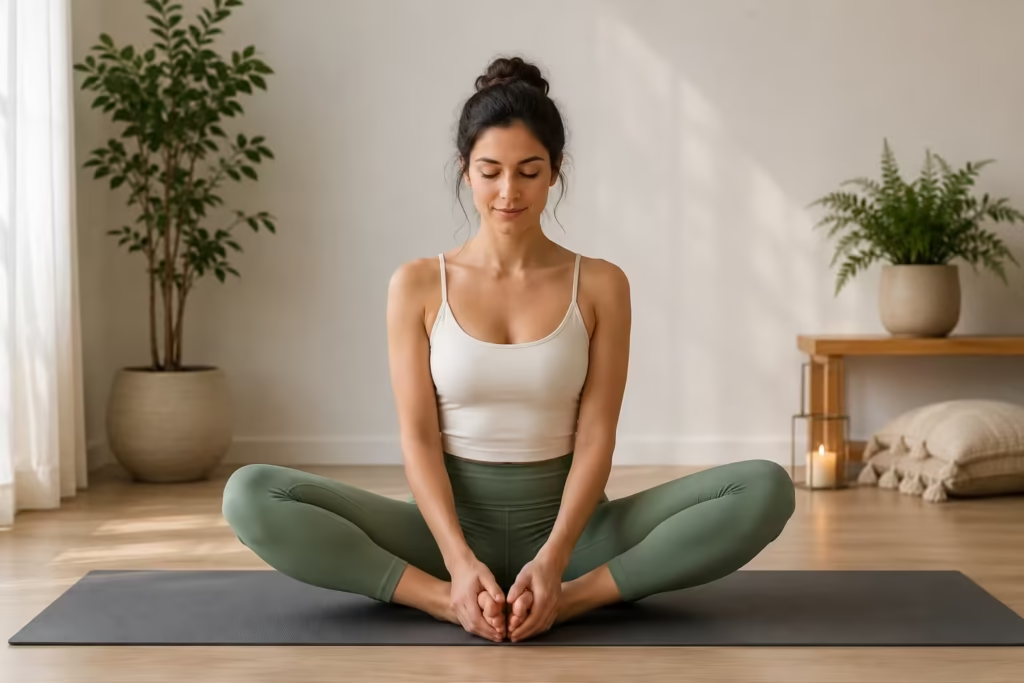
Potential benefits may include:
- Better pelvic flexibility
- Relaxation support
- Reduced body stiffness
- Gentle lower body stretching
Many women practicing yoga for pcod include this posture as part of calming yoga routines.
Cobra Pose (Bhujangasana)
Cobra Pose is a gentle backbend commonly practiced to support posture, flexibility, and circulation.
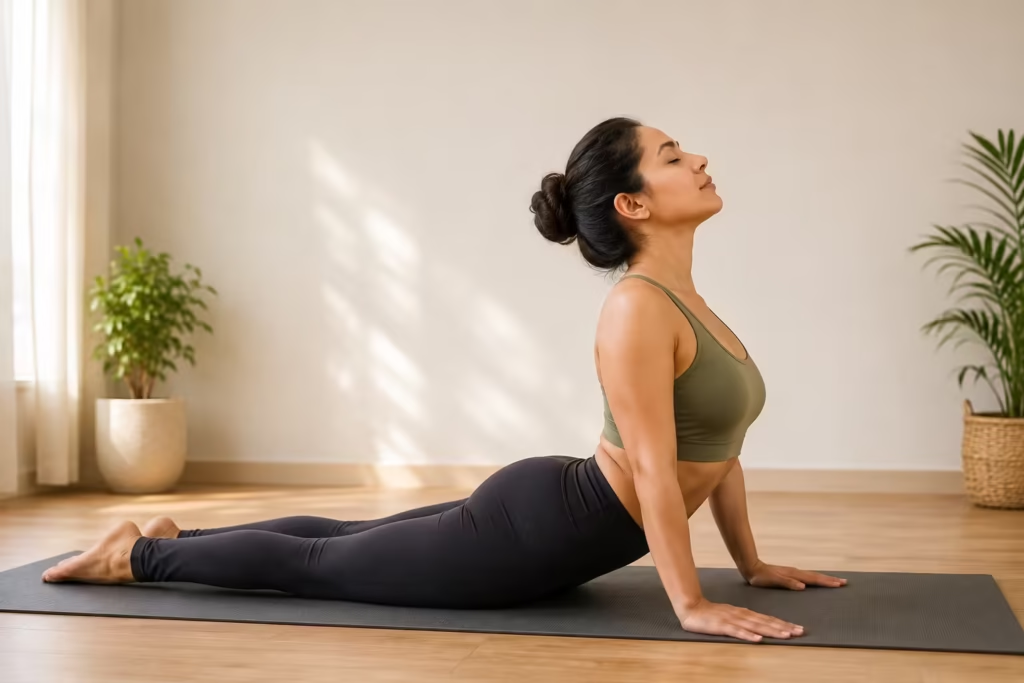
Potential benefits may include:
- Improved flexibility
- Better body movement
- Support for posture awareness
- Enhanced energy levels
Child’s Pose (Balasana)
Child’s Pose is often practiced for relaxation and stress reduction. Since stress may influence hormonal balance, this posture is commonly included in yoga routines for emotional wellness.
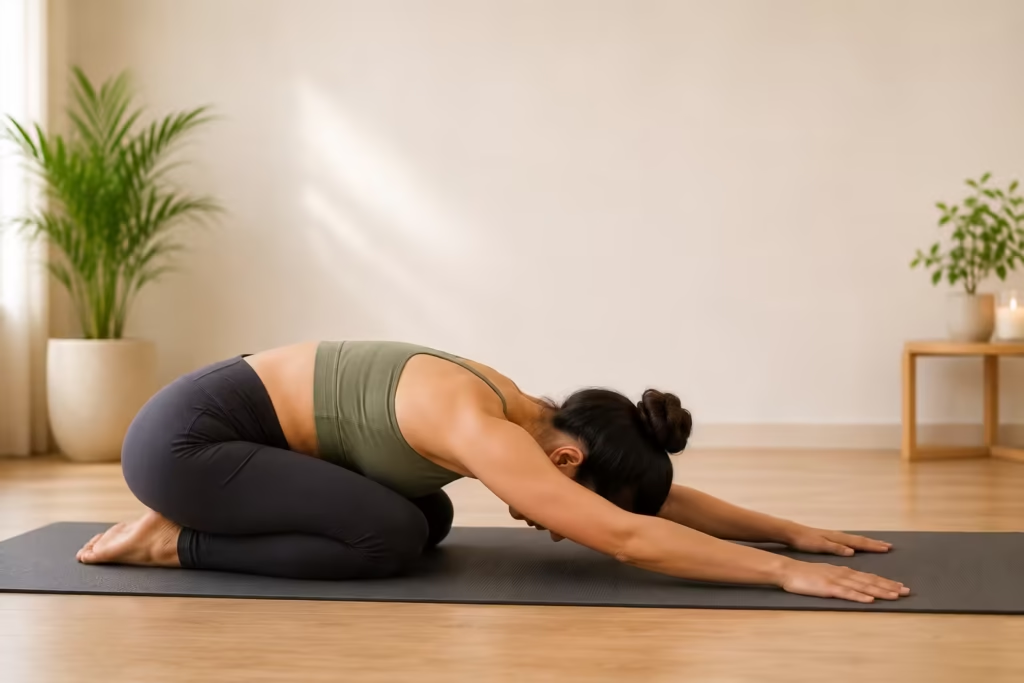
Potential benefits may include:
- Nervous system relaxation
- Stress management support
- Gentle stretching
- Mental calmness
Cat-Cow Stretch (Marjaryasana–Bitilasana)
This flowing yoga movement combines breathing with gentle spinal movement and flexibility.
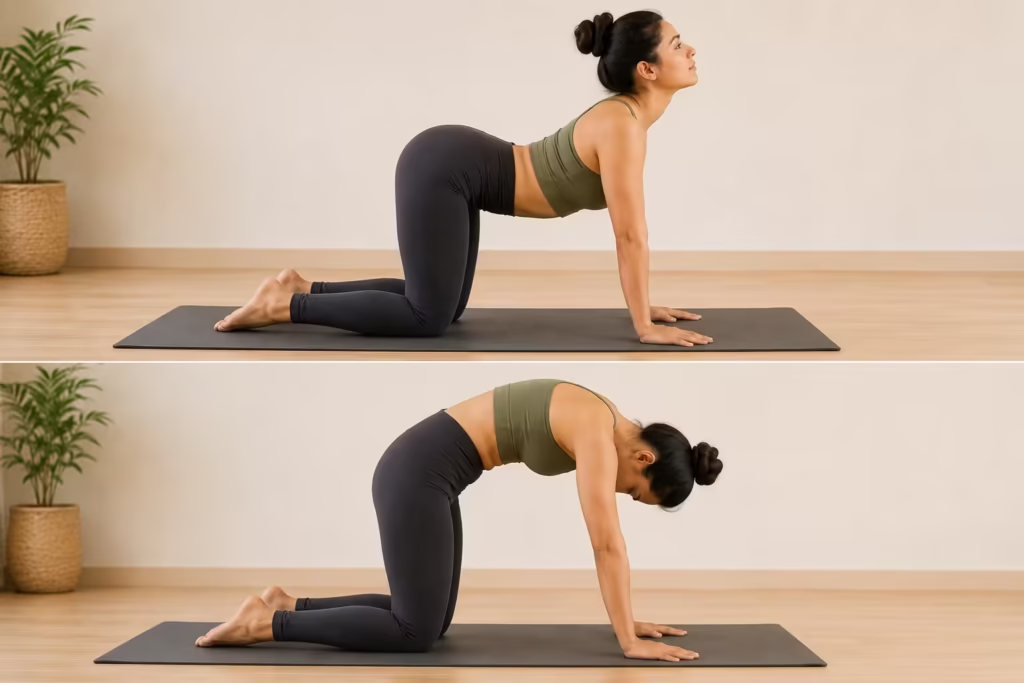
Potential benefits may include:
- Improved mobility
- Better body awareness
- Gentle physical activity
- Support for flexibility
Bridge Pose (Setu Bandhasana)
Bridge Pose is commonly practiced to support lower body strength, flexibility, and circulation.
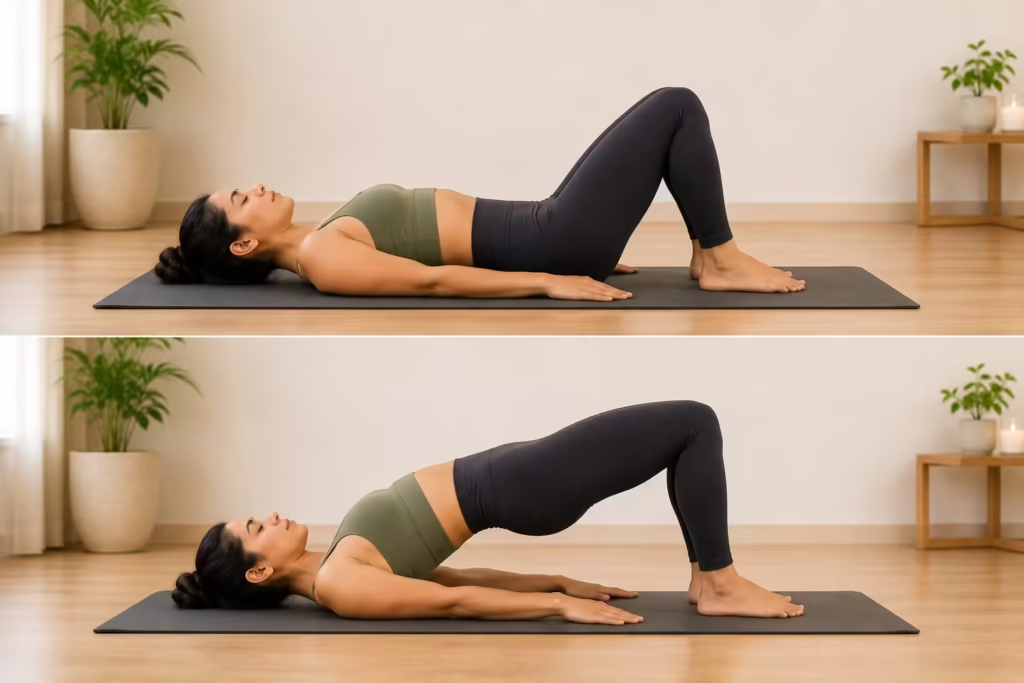
Potential benefits may include:
- Lower body strengthening
- Improved flexibility
- Better posture support
- Gentle core engagement
How Yoga for PCOD Supports Hormonal Wellness
People commonly practice yoga to improve flexibility, support circulation, manage stress, and enhance overall well-being. In Ayurveda, practitioners view yoga as a way to help balance the body and mind.
Supports Stress Reduction
Stress may influence hormonal balance, digestion, sleep, and metabolism. Breathing practices and mindful movement used in yoga for pcod may help calm the nervous system and promote relaxation.
Encourages Better Metabolism
Physical movement is important for maintaining metabolic balance. Certain yoga practices may support healthier circulation and energy levels.
Helps Improve Lifestyle Consistency
Regular yoga practice may encourage healthier daily routines, better sleep habits, and improved body awareness.
Supports Emotional Well-Being
Many women with PCOD experience mood fluctuations, anxiety, or emotional fatigue. Yoga may help support emotional balance alongside Ayurvedic care.
Ayurveda and the Mind-Body Connection
Ayurveda strongly emphasizes the connection between emotional health and physical wellness. Hormonal imbalance is not viewed only as a reproductive issue but as part of broader body imbalance involving:
- Digestion
- Metabolism
- Stress
- Sleep
- Lifestyle habits
This is why combining Ayurveda with yoga for pcod is often viewed as a supportive holistic approach.
How Praanavaidya Supports Women With PCOD
At Praanavaidya, practitioners approach PCOD care through individualized Ayurvedic guidance that focuses on improving digestion, supporting metabolism, managing stress, and maintaining hormonal balance. Based on each individual’s symptoms and health condition, the team may recommend lifestyle practices such as yoga, dietary modifications, and routine balancing.
The approach may include:
- Personalized Ayurvedic consultation
- Dietary guidance
- Lifestyle correction
- Stress management support
- Digestive wellness care
- Holistic hormonal wellness guidance
This comprehensive perspective is why many women explore yoga for pcod alongside Ayurvedic care for long-term balance.
Final Thoughts
PCOD is often influenced by multiple interconnected factors including stress, metabolism, digestion, lifestyle, and hormonal imbalance. Ayurveda approaches these concerns holistically by focusing on overall body balance rather than isolated symptom management.
By supporting relaxation, movement, emotional wellness, and healthier routines, yoga for pcod can become a valuable part of a broader Ayurvedic lifestyle approach to hormonal wellness naturally.
Visit Us At –
Rajajinagar- 08065903133
Hubballi – 08065903145
Indiranagar- 08065903135
Mumbai-08065903118
Yelahanka- 08065903134
Mangaluru-08065903136
Chamrajpet-08065903132
FAQs
1. Can yoga help support PCOD naturally?
Yoga may support stress management, metabolism, emotional wellness, and healthier lifestyle balance in women with PCOD.
2. Why is stress important in PCOD?
Stress may affect hormones, digestion, sleep, and metabolic balance, which can influence PCOD symptoms.
3. How does Ayurveda view PCOD?
Ayurveda views PCOD as a condition connected to digestion, metabolism, lifestyle imbalance, and hormonal wellness.
4. Is yoga alone enough to manage PCOD?
Some women may benefit from lifestyle changes, while others may require personalized medical or Ayurvedic guidance depending on symptoms.
5. Why combine Ayurveda and yoga for PCOD?
Both Ayurveda and yoga focus on long-term balance, stress reduction, lifestyle awareness, and overall mind-body wellness.
Praanavaidya
Healthcare Professional
Focused on patient-centric care and evidence-based treatment plans.
More from Praanavaidya