
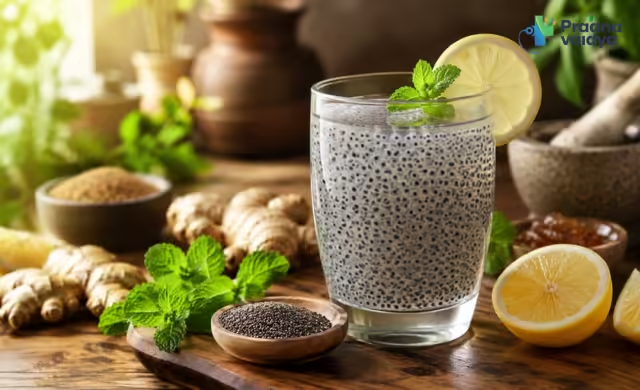
Sabja seeds, also known as basil seeds or Tukmaria, are small black seeds traditionally used in Indian diets and Ayurvedic practices. When soaked in water, they develop a characteristic gel-like coating, which makes them popular in beverages and traditional preparations.
From an Ayurvedic perspective, food choices are considered in relation to digestion, individual constitution, season, and overall dietary habits. Sabja seeds are traditionally valued for their cooling and soothing qualities and are commonly included in dietary practices intended to support digestive comfort.
Their high fibre content also makes them interesting from a nutritional perspective. However, sabja seeds are not a universal remedy for digestive disorders, and how they are consumed matters.
At Praanavaidya, Ayurvedic dietary guidance can help determine how foods such as sabja seeds may fit into an individual’s constitution, digestive capacity, and daily routine.
What Are Sabja Seeds?
Sabja seeds are the edible seeds of basil plants and are commonly called:
- Sabja seeds
- Basil seeds
- Tukmaria
- Falooda seeds
They are small, dark-coloured seeds that swell considerably when soaked in water.
After soaking, a translucent, gelatinous layer develops around each seed.
This texture makes them particularly popular in drinks and desserts.
Sabja seeds are often confused with chia seeds because both form a gel when soaked. However, they come from different plants and have different nutritional profiles.
Why Are Sabja Seeds Associated With Digestion?
One of the main nutritional characteristics of sabja seeds is their dietary fibre content.
Fibre can contribute to normal bowel function and digestive health when consumed as part of an overall balanced diet.
The gel formed when sabja seeds are soaked also changes their texture and makes them easier to incorporate into liquids.
From an Ayurvedic perspective, the traditional use of sabja seeds is often associated with cooling and soothing qualities, particularly in dietary preparations.
However, individual digestive responses can vary.
Traditional Ayurvedic Perspective on Sabja Seeds
Ayurveda does not assess food only according to its nutrient content.
Traditional dietary assessment can also consider qualities such as:
- Taste
- Potency
- Post-digestive effect
- Digestibility
- Season
- Individual constitution
Sabja seeds are traditionally considered cooling and are commonly used in preparations associated with cooling the body.
This is one reason they are frequently included in summer beverages.
Their traditional use should be understood as part of Ayurvedic dietary practices rather than as a medical treatment for digestive disease.
7 Potential Benefits of Sabja Seeds for Digestion
1. May Support Regular Bowel Movements
Sabja seeds contain dietary fibre, which can help support normal bowel function.
When combined with adequate fluid intake and a balanced diet, fibre can contribute to healthier bowel habits.
People with occasional constipation may therefore include fibre-rich foods such as soaked sabja seeds as part of their diet.
However, persistent constipation requires attention to its underlying cause.
2. May Support Digestive Regularity
Regular dietary fibre intake can help maintain healthy bowel movement patterns.
Sabja seeds can be one source of fibre alongside:
- Vegetables
- Fruits
- Whole grains
- Legumes
- Nuts and seeds
A varied diet is generally preferable to relying heavily on one food.
3. Soaked Sabja Seeds Provide a Gel-Like Texture
When soaked, sabja seeds develop a mucilaginous outer layer.
This creates a soft, gel-like texture that can make them easier to consume in beverages.
The soaked seeds also contribute bulk to the diet.
It is important to soak them adequately before consuming rather than swallowing large quantities of dry seeds.
4. May Help Support Satiety
Fibre-containing foods can contribute to a feeling of fullness.
Including a small amount of soaked sabja seeds in a balanced meal or beverage may therefore contribute to satiety.
However, sabja seeds should not be considered a standalone weight-loss treatment.
Healthy weight management depends on overall diet, physical activity, sleep, metabolism, and other individual factors.
5. Traditionally Considered Cooling
In traditional Ayurvedic dietary practices, sabja seeds are commonly associated with cooling qualities.
This makes them particularly popular in summer beverages and preparations.
The traditional cooling association is different from saying that sabja seeds can medically “lower body temperature.”
6. May Complement a Fibre-Rich Diet
A healthy digestive system benefits from a varied diet that provides adequate fibre.
Sabja seeds can contribute to overall fibre intake alongside plant foods.
For digestive health, it is generally more useful to focus on the entire dietary pattern rather than expecting one ingredient to provide all the benefits.
7. Can Be Included in Traditional Summer Preparations
Sabja seeds are widely used in beverages such as falooda and other refreshing drinks.
They can also be added to:
- Lemon water
- Coconut-based drinks
- Smoothies
- Buttermilk
- Fruit beverages
- Homemade puddings
When using them for digestive wellness, it is preferable to avoid turning a naturally fibre-rich ingredient into a high-sugar dessert.
How to Prepare Sabja Seeds for Digestion
The seeds should generally be soaked before consumption.
Step 1: Measure the Seeds
Use a small quantity according to your dietary needs.
Step 2: Add Water
Place the seeds in sufficient clean drinking water.
Step 3: Allow Them to Soak
Leave them until they swell and develop a gelatinous coating.
Step 4: Add to a Suitable Preparation
The soaked seeds can be added to water, buttermilk, smoothies, or other suitable foods and beverages.
Step 5: Consume Promptly
Once prepared, consume them fresh and maintain appropriate food hygiene.
There is no need to consume large quantities to obtain digestive benefits.
Can Sabja Seeds Reduce Acidity?
Sabja seeds are sometimes marketed as a remedy for acidity and heartburn.
Their traditional cooling association may explain this popular use.
However, persistent heartburn can have several causes, including gastroesophageal reflux disease, certain medications, dietary triggers, obesity, and other conditions.
Sabja seeds should not be used as a substitute for diagnosis when acidity is frequent or severe.
If heartburn occurs regularly, particularly with difficulty swallowing, vomiting, unexplained weight loss, or chest pain, appropriate medical evaluation is important.
Sabja Seeds and Hydration
Because sabja seeds are generally consumed after soaking, they are commonly included in water-based beverages.
However, soaking the seeds does not eliminate the importance of drinking adequate fluids throughout the day.
A fibre-rich diet without sufficient fluid intake can sometimes worsen constipation rather than improve it.
Therefore, sabja seeds should be considered alongside an overall hydration routine.
Final Thoughts
Sabja seeds for digestion can be understood from both a nutritional and traditional Ayurvedic perspective. These small basil seeds provide dietary fibre and develop a gel-like coating when soaked, making them a popular ingredient in beverages and dietary preparations.
Traditionally, sabja seeds are associated with cooling qualities and are commonly incorporated into routines intended to support digestive comfort and regular elimination.
However, their benefits depend on appropriate preparation, quantity, hydration, and individual tolerance. They should not be treated as a cure for chronic constipation, acidity, or other digestive disorders.
At Praanavaidya, Ayurvedic dietary guidance considers the individual rather than recommending the same food or preparation to everyone. Factors such as Prakriti, Vikriti, Agni, diet, lifestyle, season, and existing health concerns can all influence dietary recommendations.
Used appropriately as part of a varied and balanced diet, sabja seeds can be a simple traditional ingredient to include in a digestive-friendly lifestyle.
Visit Us in-
Rajajinagar- 08065903133
Hubballi – 08065903145
Indiranagar- 08065903135
Mumbai-08065903118
Yelahanka- 08065903134
Mangaluru-08065903136
Chamrajpet-08065903132
Delhi-08065903140
Lucknow-08065903130
Frequently Asked Questions About Sabja Seeds for Digestion
Are sabja seeds good for digestion?
Sabja seeds provide dietary fibre and are traditionally used in Indian and Ayurvedic dietary practices. They may support bowel regularity when consumed appropriately as part of a balanced diet.
How should sabja seeds be consumed?
Sabja seeds are generally soaked in water until they develop a gel-like coating and are then added to beverages or foods.
Can sabja seeds help with constipation?
Their fibre content may support regular bowel movements. Adequate hydration and overall dietary fibre are also important.
Can I eat sabja seeds every day?
A modest amount may be suitable for many people, but daily use depends on individual digestive tolerance, diet, and health status.
Should sabja seeds be soaked before eating?
Yes. Soaking allows the seeds to absorb water and develop their characteristic gel-like coating.
Are sabja seeds the same as chia seeds?
No. They come from different plants, although both swell and form a gel when soaked.
Praanavaidya
Healthcare Professional
Focused on patient-centric care and evidence-based treatment plans.
More from Praanavaidya