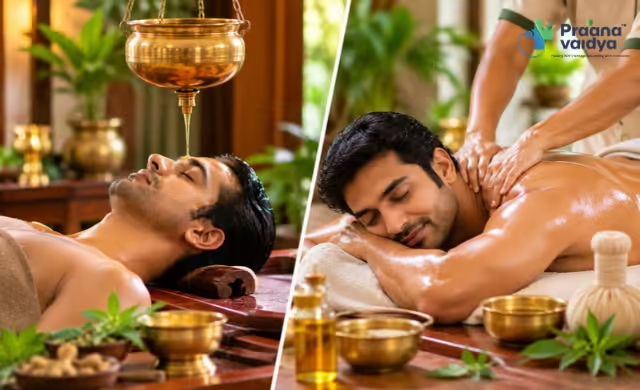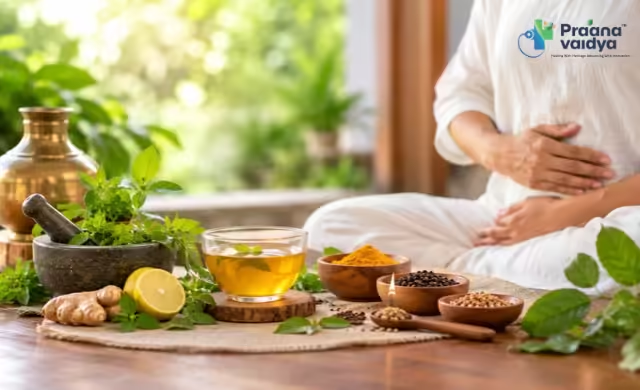

The monsoon season brings cooler weather, increased humidity and changes in daily routines. In Ayurveda, different seasons are associated with different approaches to maintaining balance and wellbeing. Varsha Ritu, traditionally referring to the rainy season, is therefore an important period in the Ayurvedic seasonal calendar.
This is where Panchakarma in monsoon becomes a topic of interest for people exploring traditional Ayurvedic practices. Among the Panchakarma procedures, Basti holds a distinct place and is traditionally included in seasonal Ayurvedic programmes based on an individual’s needs and practitioner assessment.
At Praanavaidya, understanding the purpose, process and seasonal context of Basti can help you make a more informed decision about whether this traditional Ayurvedic procedure is appropriate for your wellness plan.
Interested in exploring Panchakarma during the monsoon?
What Is Panchakarma in Monsoon?
Panchakarma is a traditional Ayurvedic system consisting of a group of procedures used within structured Ayurvedic programmes. The approach is not simply about selecting one procedure based on the season. Instead, the programme may be planned according to factors such as the individual’s constitution, current condition, routine, diet and the practitioner’s assessment.
During Varsha Ritu, Ayurveda places particular emphasis on adapting daily routines to seasonal changes. This makes monsoon a commonly discussed period for traditional Panchakarma practices.
Panchakarma may include procedures such as:
- Basti
- Virechana
- Vamana
- Nasya
- Other preparatory and supportive Ayurvedic procedures
The specific procedures used can differ from person to person. A qualified Ayurvedic practitioner determines the appropriate approach rather than applying the same Panchakarma routine to everyone.
Why Is Basti Discussed During Varsha Ritu?
Basti is one of the classical Panchakarma procedures in Ayurveda. The procedure has a specific place within traditional Ayurvedic practice and is planned according to the individual’s needs.
When people search for Basti therapy in monsoon, they are often looking for information about why this season is associated with Panchakarma.
The answer lies in the traditional Ayurvedic concept of seasonal adaptation. Varsha Ritu is considered a distinct seasonal phase, and Ayurvedic routines are traditionally adjusted according to the characteristics associated with that period.
However, choosing Basti should not be based solely on the fact that it is monsoon. The procedure, preparation and overall Panchakarma plan should be determined through an appropriate practitioner assessment.
What Is Basti Therapy in Ayurveda?
Basti is a traditional Ayurvedic procedure that involves administering a prepared Ayurvedic formulation through the rectal route. Different forms of Basti are described in classical Ayurvedic practice, with the preparation and method varying according to the intended Ayurvedic programme.
Two commonly discussed categories include:
Sneha Basti
Sneha Basti uses an oil-based preparation within the traditional Ayurvedic framework.
Niruha Basti
Niruha Basti, also referred to in some Ayurvedic contexts as Kashaya Basti, uses a decoction-based formulation prepared according to the prescribed procedure.
The choice between different forms of Basti is not simply a matter of personal preference. A qualified Ayurvedic practitioner considers the individual’s requirements before deciding whether Basti is appropriate and which approach should be followed.
How Does a Monsoon Panchakarma Programme Work?
A Panchakarma programme is generally structured rather than being limited to a single procedure.
Depending on the individual’s Ayurvedic assessment, a programme may involve different stages.
1. Initial assessment
The practitioner reviews the individual’s overall routine, dietary habits and relevant Ayurvedic considerations.
2. Programme planning
The practitioner decides which traditional procedures are appropriate and how they should be scheduled.
3. Preparatory procedures
Certain Ayurvedic programmes may include preparatory practices before the main Panchakarma procedures.
4. Main procedure
If Basti is selected, it is carried out according to the planned Ayurvedic protocol.
5. Post-procedure routine
The practitioner may provide guidance regarding food, rest, daily routine and other supportive practices following the procedure.
This structured approach is one reason why Panchakarma during the rainy season should be approached as a planned Ayurvedic programme rather than a standalone seasonal activity.
What to Expect During Basti Therapy
People considering Basti Panchakarma often want to understand what the experience involves.
The procedure takes place according to a planned Ayurvedic protocol. The practitioner or trained therapy team prepares the required formulation and follows the prescribed procedure.
Before starting, it is useful to discuss:
- What type of Basti has been recommended
- How the procedure will be performed
- What preparation is required
- How long the session may take
- What routine should be followed afterwards
- Whether any dietary instructions apply
- What follow-up is recommended
Clear communication with the practitioner can make the process easier to understand and help you know what to expect from the programme.
Is Panchakarma in Monsoon Suitable for Everyone?
There is no single Panchakarma routine that applies to everyone.
Although Panchakarma in monsoon is a popular search topic, the season alone does not determine whether a particular procedure is appropriate. Age, routine, constitution, dietary habits and other individual factors may be considered within an Ayurvedic assessment.
Basti, in particular, should be undertaken as part of an appropriately planned Ayurvedic programme rather than selected independently.
Before beginning any Panchakarma procedure, discuss your requirements with a qualified Ayurvedic practitioner and provide complete information relevant to your consultation.
How to Prepare for a Varsha Ritu Panchakarma Programme
If you are considering Varsha Ritu Panchakarma, preparation can make the programme easier to understand and follow.
Understand the complete programme
Ask what procedures are included and how they fit together.
Follow practitioner instructions
Diet, daily routine and preparation requirements can vary depending on the programme.
Plan your schedule
Panchakarma programmes may involve multiple sessions or stages, so consider your work, travel and personal commitments before beginning.
Ask questions
If you are unfamiliar with Basti or another Ayurvedic procedure, ask the practitioner to explain the process in simple terms.
Follow the post-procedure routine
Any instructions provided after a session should be followed as advised by the practitioner.
Want to know whether a Panchakarma programme is appropriate for your needs? Speak with the Praanavaidya team to learn more about the available Ayurvedic programmes.
Basti Therapy vs Other Panchakarma Procedures
Basti is only one part of the broader Panchakarma system. Other procedures have different methods and roles within traditional Ayurvedic practice.
| Procedure | Traditional description |
| Basti | Administration of a prepared Ayurvedic formulation through the rectal route |
| Virechana | A traditional Ayurvedic procedure involving a planned purgation process |
| Vamana | A traditional Ayurvedic procedure involving a planned therapeutic emesis process |
| Nasya | Administration of an Ayurvedic preparation through the nasal route |
| Abhyanga | Traditional Ayurvedic oil massage |
The procedures should not be treated as interchangeable. The selection depends on the Ayurvedic programme recommended for the individual.
Choosing a Panchakarma Centre During Monsoon
When searching for Panchakarma in monsoon, look beyond the season-specific promotion and understand how the programme is planned.
Consider asking:
- Is the programme guided by a qualified Ayurvedic practitioner?
- Is there an initial consultation?
- Is the Panchakarma plan explained clearly?
- Are preparation and post-procedure instructions provided?
- Can the centre explain which procedures are included?
- Is there an opportunity to discuss your questions before beginning?
A clear consultation process can help you understand what the programme involves before you commit to it.
Why Varsha Ritu Matters in Ayurveda
Ayurveda traditionally divides the year into different seasons, each associated with its own environmental characteristics and recommended routines.
Varsha Ritu refers to the rainy season. Changes in temperature, humidity, food habits and daily activity make seasonal routine an important part of traditional Ayurvedic lifestyle practices.
This seasonal perspective explains why monsoon Ayurveda therapies and Varsha Ritu Panchakarma are frequently discussed together.
Rather than following a fixed seasonal checklist, Ayurveda takes an individualised approach to selecting procedures and routines.
Panchakarma in Monsoon at Praanavaidya
Praanavaidya focuses on traditional Ayurvedic practices through structured programmes guided by qualified practitioners. Panchakarma may include procedures such as Basti, Virechana and other traditional Ayurvedic therapies depending on the programme planned for the individual.
If you are exploring Basti therapy in monsoon, a consultation can help you understand the procedure, preparation requirements and the broader Panchakarma approach before starting.
Visit Us in –
Rajajinagar- 08065903133
Hubballi – 08065903145
Indiranagar- 08065903135
Mumbai-08065903118
Yelahanka- 08065903134
Mangaluru-08065903136
Jayanagar- 08065903132
Delhi-08065903140
Lucknow-08065903130
FAQs
What is Panchakarma in monsoon?
Panchakarma in monsoon refers to Ayurvedic Panchakarma programmes planned during the rainy season, traditionally known as Varsha Ritu. The procedures included depend on individual assessment and the programme recommended by a qualified Ayurvedic practitioner.
What is Basti therapy in Ayurveda?
Basti is a traditional Ayurvedic Panchakarma procedure involving the administration of a prepared Ayurvedic formulation through the rectal route. Different types of Basti are described within Ayurvedic practice.
Why is Basti associated with the monsoon season?
Basti is discussed in relation to monsoon Panchakarma because Ayurveda uses seasonal considerations when planning traditional routines and procedures. The suitability of Basti depends on individual assessment rather than the season alone.
Is Basti the same as Panchakarma?
No. Basti is one of the traditional procedures included within the broader Panchakarma system. Panchakarma can involve different procedures depending on the Ayurvedic programme.
How is Basti selected during Varsha Ritu?
A qualified Ayurvedic practitioner assesses the individual and determines whether Basti is appropriate as part of the planned programme. The type and preparation may also vary.
Can I start Basti therapy without an Ayurvedic consultation?
It is better to discuss the procedure with a qualified Ayurvedic practitioner before beginning. The consultation allows the practitioner to understand your requirements and plan the appropriate Ayurvedic programme.
How long does a Panchakarma programme take?
The duration can vary depending on the procedures included and the programme planned for the individual. The practitioner can explain the expected schedule during the consultation.
Praanavaidya
Healthcare Professional
Focused on patient-centric care and evidence-based treatment plans.
More from Praanavaidya