Panchakarma is one of Ayurveda’s most respected detox therapies, designed to support the body’s natural cleansing process and restore internal balance. While therapies like Abhyanga, Virechana, and Basti are important parts of treatment, food also plays a major role in how effectively the body responds to detoxification.
At Praanavaidya, treatment preparation and recovery are guided carefully because digestion is considered central to healing in Ayurveda. Following a proper panchakarma diet before and after therapy helps the body detoxify more comfortably while supporting recovery and long-term wellness.
📞 Call / WhatsApp: 08065903127 | +91 96117 73811
Why Diet Matters in Panchakarma
According to Ayurveda, digestion influences energy, immunity, metabolism, and toxin accumulation in the body. During Panchakarma, the digestive system becomes more sensitive, which is why dietary discipline is considered essential.
A balanced panchakarma diet helps:
- Reduce digestive stress
- Support detoxification
- Improve nutrient absorption
- Prevent heaviness and bloating
- Promote smoother recovery
Without proper dietary care, the benefits of Panchakarma may not be fully supported.
What to Eat Before Panchakarma
Before Panchakarma, the goal is usually to reduce digestive burden and prepare the body for cleansing therapies.
Light and Easily Digestible Foods
Simple meals are commonly recommended because they support digestion without creating heaviness.
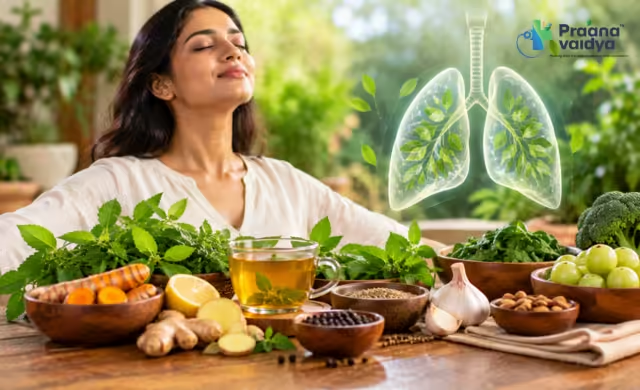
Foods often preferred include:
- Warm cooked rice
- Moong dal
- Vegetable soups
- Khichdi
- Steamed vegetables
- Thin rice gruel
- Light herbal teas
These foods are generally easier to digest and align well with a traditional panchakarma diet.
Stay Hydrated
Hydration is important during Panchakarma preparation. Warm water is often preferred in Ayurveda because it supports digestion and circulation.
Some people may also be advised to consume:
- Cumin water
- Coriander-infused water
- Herbal digestive drinks
Recommendations can vary depending on body constitution and treatment plan.
Foods Commonly Avoided Before Panchakarma
To support cleansing, certain foods are often reduced or avoided:
- Fried foods
- Processed snacks
- Excess sugar
- Bakery products
- Carbonated beverages
- Heavy non-vegetarian meals
- Alcohol
- Excess caffeine
Avoiding these foods may help improve digestive efficiency before treatment begins.
Why Meal Timing Matters
Ayurveda emphasizes regular eating habits during Panchakarma preparation. Late-night meals, overeating, and irregular schedules can weaken digestion and interfere with detoxification.
Eating meals at consistent times helps support metabolic balance and digestive rhythm.
What to Eat After Panchakarma
The recovery phase after Panchakarma is considered equally important. Digestion may temporarily remain delicate after detoxification, so meals are usually reintroduced gradually.
A proper panchakarma diet after treatment focuses on rebuilding digestive strength slowly rather than immediately returning to heavy meals.
Start With Simple Foods
Immediately after Panchakarma, simple and soft foods are generally preferred, such as:
- Rice gruel
- Thin khichdi
- Cooked vegetables
- Moong dal soup
- Warm liquids
These foods are easier to digest and help the body recover gently.
Gradually Return to Normal Diet
Heavy meals are usually avoided immediately after detox therapies. The digestive fire is rebuilt step by step through gradual dietary progression.
Over time, patients may slowly return to:
- Regular homemade meals
- Balanced grains and vegetables
- Moderate healthy fats
- Fresh seasonal foods
The pace depends on the individual’s strength, digestion, and therapy intensity.
Foods Often Avoided After Panchakarma
After detoxification, Ayurveda commonly recommends avoiding:
- Junk food
- Excess spicy foods
- Cold drinks
- Packaged foods
- Excess sugar
- Alcohol
- Heavy restaurant meals
These foods may disturb the digestive balance that Panchakarma aims to restore.
Is the Same Panchakarma Diet Suitable for Everyone?
No. Ayurveda strongly emphasizes personalization. The ideal Panchakarma diet may vary based on:
- Dosha imbalance
- Digestive strength
- Health condition
- Age
- Season
- Type of Panchakarma therapy
This is why dietary planning is often customized during professional Ayurvedic care.
Final Thoughts
Knowing what to eat before and after panchakarma can significantly influence the effectiveness of detoxification and recovery. Proper dietary support helps digestion remain balanced while allowing the body to heal and rejuvenate naturally.
At Praanavaidya, Panchakarma care includes attention to preparation, therapy, recovery, and long-term wellness support through individualized Ayurvedic guidance.
Visit Us At –
Rajajinagar- 08065903133
Hubballi – 08065903145
Indiranagar- 08065903135
Mumbai-08065903118
Yelahanka- 08065903134
Mangaluru-08065903136
Chamrajpet-08065903132
FAQs
1. Why is diet important before Panchakarma?
Diet helps prepare the digestive system for detoxification by reducing heaviness and improving digestive balance before therapies begin.
2. What foods are commonly recommended before Panchakarma?
Light and easily digestible foods like khichdi, moong dal, soups, steamed vegetables, and warm liquids are commonly preferred.
3. What should I avoid after Panchakarma?
Heavy meals, fried foods, processed snacks, alcohol, cold drinks, and excessive spicy foods are generally avoided during recovery.
4. How long should I follow a special diet after Panchakarma?
The duration varies depending on the type of therapy, digestive strength, and individual condition. Ayurvedic doctors usually provide personalized guidance.
5. Can I return to normal eating immediately after Panchakarma?
Ayurveda usually recommends gradually reintroducing regular foods so the digestive system can recover properly after detoxification.
Praanavaidya
Healthcare Professional
Focused on patient-centric care and evidence-based treatment plans.
More from Praanavaidya