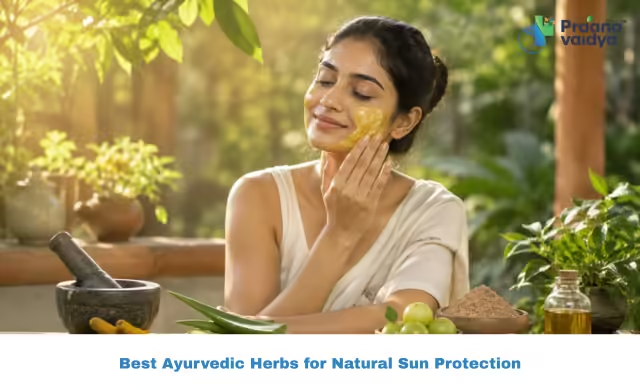
Natural Ayurvedic Sunscreen is more than simply applying herbs to the skin before stepping outdoors. Ayurveda views healthy skin as the result of balanced doshas, proper digestion, good nutrition, and protection against environmental stressors. While modern sunscreens remain essential for shielding the skin from harmful UV radiation, Ayurveda offers complementary herbal ingredients and daily practices that help strengthen the skin’s natural resilience.
At Praanavaidya, Ayurvedic skin care focuses on improving skin health from within while supporting the skin’s natural ability to cope with sun exposure. Combining herbal formulations, balanced nutrition, and mindful skincare creates a holistic approach to maintaining healthy, radiant skin.
Why Sun Protection Matters
The sun provides vitamin D and supports many biological functions, but prolonged exposure to ultraviolet (UV) rays can damage the skin.
Excessive sun exposure may lead to:
- Premature skin ageing
- Fine lines and wrinkles
- Hyperpigmentation and dark spots
- Uneven skin tone
- Dryness and loss of elasticity
- Sunburn
- Increased risk of skin disorders
Daily sun protection is therefore essential regardless of age or skin type.
Ayurveda’s Perspective on Sun Exposure
Ayurveda associates excessive heat with an aggravation of Pitta Dosha, which governs metabolism, body temperature, and skin health.
When Pitta becomes imbalanced, it may contribute to:
- Skin redness
- Burning sensation
- Acne flare-ups
- Facial pigmentation
- Inflammation
- Increased skin sensitivity
Rather than only treating these symptoms, Ayurveda aims to restore internal balance while protecting the skin externally.
This is where a Natural Ayurvedic Sunscreen approach becomes valuable as part of a complete skincare routine.
Can Ayurvedic Herbs Replace Sunscreen?
This is one of the most common questions patients ask.
The answer is No.
Scientific sunscreen products with SPF have been extensively tested to protect against UVA and UVB rays. Ayurvedic herbs should not be considered a replacement for dermatologist-recommended sunscreen.
Instead, they serve as supportive skincare ingredients that may:
- Calm heat-induced irritation
- Provide antioxidant protection
- Nourish damaged skin
- Help maintain skin hydration
- Reduce oxidative stress
- Support healthy skin repair
The best approach combines modern sunscreen with Ayurvedic skin care.
Ayurvedic Herbs Traditionally Used for Sun Protection
1. Aloe Vera (Kumari)
Aloe Vera is one of Ayurveda’s most popular cooling herbs.
Benefits include:
- Soothes sun-exposed skin
- Reduces redness
- Supports skin hydration
- Helps maintain skin elasticity
- Provides natural cooling
Fresh Aloe Vera gel is often used after sun exposure to calm irritated skin.
2. Sandalwood (Chandana)
Chandana has been valued in Ayurveda for centuries.
It is traditionally used to:
- Reduce excess heat
- Calm inflamed skin
- Improve complexion
- Reduce burning sensation
- Support healthy skin texture
Sandalwood paste is commonly included in Ayurvedic facial therapies.
3. Turmeric (Haridra)
Turmeric contains powerful antioxidant compounds that support overall skin health.
Traditional Ayurvedic benefits include:
- Supports healthy inflammatory response
- Helps maintain even skin tone
- Reduces oxidative stress
- Promotes natural skin healing
Turmeric is used both internally and externally under Ayurvedic guidance.
4. Manjistha
Manjistha is one of Ayurveda’s premier herbs for skin purification.
It is traditionally used to:
- Support healthy blood circulation
- Improve skin clarity
- Reduce pigmentation
- Promote an even complexion
- Support detoxification
Many Ayurvedic skin formulations include Manjistha for long-term skin wellness.
5. Neem
Neem is well known for maintaining healthy skin.
Traditional uses include:
- Supporting acne-prone skin
- Reducing excess oil
- Cleansing the skin
- Maintaining healthy skin flora
- Supporting irritated skin
Neem is especially useful during hot summer months.
6. Licorice (Yashtimadhu)
Licorice is valued for its skin-brightening properties.
Benefits include:
- Helps reduce uneven pigmentation
- Supports skin repair
- Calms irritated skin
- Improves skin softness
- Promotes healthy complexion
7. Rose (Shatapatri)
Rose has naturally cooling properties according to Ayurveda.
Rose water helps:
- Refresh sun-exposed skin
- Maintain hydration
- Reduce temporary redness
- Calm irritated skin
- Improve skin freshness
Ayurvedic Daily Routine for Better Sun Protection
A Natural Ayurvedic Sunscreen routine extends beyond topical applications.
Morning
- Cleanse with a gentle herbal cleanser.
- Apply a lightweight moisturiser.
- Use a broad-spectrum SPF sunscreen.
- Wear protective clothing before going outdoors.
During the Day
- Stay hydrated.
- Avoid prolonged exposure during peak sunlight hours.
- Reapply sunscreen every two hours when outdoors.
- Drink cooling fluids like coconut water or buttermilk if suitable.
Evening
- Wash away sweat, dust, and pollutants.
- Apply soothing Aloe Vera or rose water.
- Nourish the skin with appropriate herbal formulations.
Foods That Support Healthy Skin During Summer
Ayurveda believes healthy skin begins with proper nutrition.
Cooling foods include:
- Cucumber
- Watermelon
- Pomegranate
- Coconut water
- Bottle gourd
- Fresh leafy vegetables
- Seasonal fruits
Foods to limit during extreme heat include:
- Excessively spicy foods
- Deep-fried foods
- Alcohol
- Excess caffeine
- Highly processed foods
A balanced diet supports the skin’s ability to recover from environmental stress.
Lifestyle Tips for Natural Sun Protection
Healthy skin also depends on daily habits.
Recommendations include:
- Wear sunglasses and wide-brimmed hats.
- Stay hydrated throughout the day.
- Sleep 7–8 hours nightly.
- Exercise during cooler hours.
- Manage stress through yoga and meditation.
- Avoid excessive midday sun exposure.
These habits complement a Natural Ayurvedic Sunscreen routine and promote long-term skin health.
Conclusion
Healthy skin requires more than seasonal care. A combination of proper sun protection, balanced nutrition, healthy lifestyle habits, and personalised Ayurvedic guidance helps maintain skin vitality throughout the year.
At Praanavaidya, our experienced Ayurvedic physicians develop customised skincare plans based on your unique body constitution and skin concerns. Whether you’re dealing with pigmentation, sensitive skin, or recurring heat-related issues, we offer holistic solutions that support long-term skin wellness.
Book your consultation with Praanavaidya today and discover how personalised Ayurvedic skincare can complement your daily sun protection routine.
Visit Us At –
Rajajinagar- 08065903133
Hubballi – 08065903145
Indiranagar- 08065903135
Mumbai-08065903118
Yelahanka- 08065903134
Mangaluru-08065903136
Chamrajpet-08065903132
Frequently Asked Questions
Can Ayurvedic herbs replace SPF sunscreen?
No. Ayurvedic herbs complement but do not replace scientifically tested sunscreen products.
Is a Natural Ayurvedic Sunscreen suitable for all skin types?
Most Ayurvedic herbs can be selected according to an individual’s skin type and dosha. A physician can recommend the most suitable options.
Which Ayurvedic herb is best after sun exposure?
Aloe Vera is traditionally used for its cooling and soothing properties after mild sun exposure.
Can Ayurveda help reduce tanning?
Ayurvedic therapies may support skin health and help improve uneven pigmentation over time when combined with proper sun protection.
Should I use Ayurvedic herbs every day?
Many Ayurvedic skincare practices are suitable for regular use, but herbal products should be chosen based on your skin type and under professional guidance.
Praanavaidya
Healthcare Professional
Focused on patient-centric care and evidence-based treatment plans.
More from Praanavaidya