A small cut heals. A surgical wound closes. But for some people, the healing process doesn’t stop there. Instead of fading over time, the scar continues to grow, becoming thick, raised, itchy, and sometimes painful. These abnormal scars are known as keloids, and they can significantly affect both physical comfort and self-confidence.
Many people undergo steroid injections, laser therapy, silicone sheets, or even surgery to remove keloids. Unfortunately, these treatments often provide only temporary relief, and the scar may return—sometimes larger than before.
At Praanavaidya, we believe successful treatment begins by understanding why the scar continues to grow rather than simply removing what is visible. Ayurveda approaches keloids by correcting the internal imbalance responsible for abnormal scar formation while naturally supporting healthy skin regeneration.
What Are Keloids and Raised Scars?
When the skin is injured by surgery, burns, acne, piercing, or trauma, the body produces collagen to repair the damaged tissue. Normally, collagen production stops once healing is complete.
A keloid develops when collagen production continues even after the wound has healed, causing the scar tissue to grow beyond the original injury.
Unlike ordinary scars, keloids:
- Continue growing over time
- Extend beyond the original wound
- Feel hard and raised
- May cause itching or pain
- Can affect movement if located near joints
Types of Scars We Commonly Treat
At Praanavaidya, our Ayurvedic physicians manage different types of problematic scars, including:
- Keloid scars
- Hypertrophic scars
- Post-surgical scars
- Burn scars
- Acne scars
- Painful or itchy scars
- Dark or pigmented scars
People with darker skin tones are naturally more prone to developing keloids, making them particularly common among Indian patients.
Why Do Keloids Keep Growing?
Modern medicine focuses primarily on removing the scar tissue. Ayurveda asks an important question:
Why is the body producing excessive scar tissue in the first place?
According to Ayurveda, recurring keloids result from multiple internal imbalances.
Disturbed Doshas
Excess Pitta increases inflammation while aggravated Kapha promotes abnormal tissue growth.
Mamsa Dhatu Imbalance
The muscle and connective tissues fail to heal properly, leading to excessive collagen deposition.
Ama Accumulation
Poor digestion results in metabolic toxins (Ama) circulating through the body, interfering with healthy tissue repair.
Weak Digestive Fire (Agni)
When digestion becomes inefficient, tissue nutrition suffers, affecting normal wound healing.
Chronic Inflammation
Inflammation that persists long after healing encourages continued scar growth.
Unless these internal factors are corrected, removing the scar alone may not prevent recurrence.
Ayurvedic Treatment for Keloids
Ayurveda focuses on regulating the body’s healing response rather than aggressively removing scar tissue.
Treatment is individualized after assessing your dosha, skin health, digestion, and overall constitution.
1. Shodhana (Detoxification)
Panchakarma therapies help eliminate accumulated toxins, reduce inflammation, and restore dosha balance.
Detoxification supports healthier tissue repair and reduces excessive collagen formation.
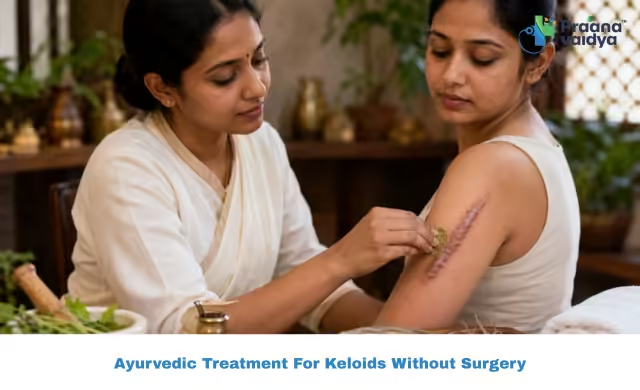
2. Herbal External Applications
Special Ayurvedic herbal formulations are applied directly over the scar to:
- Soften thick scar tissue
- Reduce itching
- Improve skin texture
- Support natural healing
- Minimize discoloration
3. Raktamokshana (Blood Purification)
In selected patients, blood purification therapies help reduce localized inflammation associated with actively growing keloids.
4. Internal Ayurvedic Medicines
Personalized herbal medicines help:
- Balance Pitta and Kapha
- Improve digestion
- Support collagen regulation
- Enhance tissue healing
- Reduce recurrence
5. Supportive Panchakarma Therapies
Depending on the patient’s condition, therapies may include:
- Abhyanga
- Swedana
- Physician-supervised detoxification
These therapies improve circulation and support tissue repair naturally.
Praanavaidya’s Keloid Care Program
Every patient receives a personalized treatment plan designed after a detailed clinical evaluation.
The program includes:
- Ayurvedic physician consultation
- Scar assessment
- Customized internal medicines
- Herbal external therapies
- Panchakarma when required
- Personalized diet plan
- Lifestyle modifications
- Home-care guidance
- Regular follow-up consultations
Can Ayurveda Completely Remove Keloids?
Every keloid is different.
The goal of Ayurvedic treatment is to:
- Reduce scar thickness
- Minimize itching
- Decrease pain
- Improve texture
- Slow or stop further growth
- Improve cosmetic appearance
Complete disappearance of longstanding keloids cannot be guaranteed, and realistic expectations are discussed during consultation.
How long does Ayurvedic treatment for keloids and scar take?
Treatment duration depends on:
- Age of the scar
- Size
- Location
- Individual healing response
Your physician will provide a personalized estimate after evaluation.
Book Your Consultation at Praanavaidya
If you are living with raised scars or recurring keloids, early intervention may help improve both comfort and appearance.
At Praanavaidya, our experienced Ayurvedic physicians create personalized treatment plans that combine traditional Ayurvedic wisdom with structured clinical care to support healthy skin healing—without relying solely on surgery.
Schedule your consultation today to learn whether Ayurvedic treatment is suitable for your condition.
Visit Us At –
Rajajinagar- 08065903133
Hubballi – 08065903145
Indiranagar- 08065903135
Mumbai-08065903118
Yelahanka- 08065903134
Mangaluru-08065903136
Chamrajpet-08065903132
Frequently Asked Questions
Can Ayurveda reduce keloids naturally?
Yes. Ayurvedic treatment focuses on correcting internal imbalances, reducing inflammation, and supporting healthy tissue repair.
Can old keloids be treated?
Older scars may still respond to treatment, although improvement is usually gradual.
Is treatment painful?
No. Ayurvedic therapies used for keloid management are generally non-invasive and do not involve surgery or injections.
Can keloids return after surgery?
Yes. Surgical removal alone does not address the body’s tendency to produce excessive scar tissue, which is why recurrence is common.
Praanavaidya
Healthcare Professional
Focused on patient-centric care and evidence-based treatment plans.
More from Praanavaidya