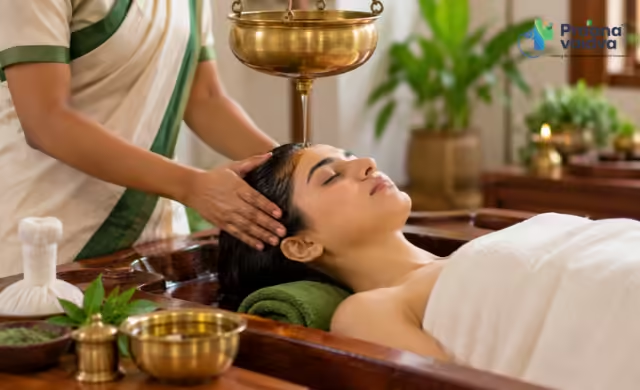
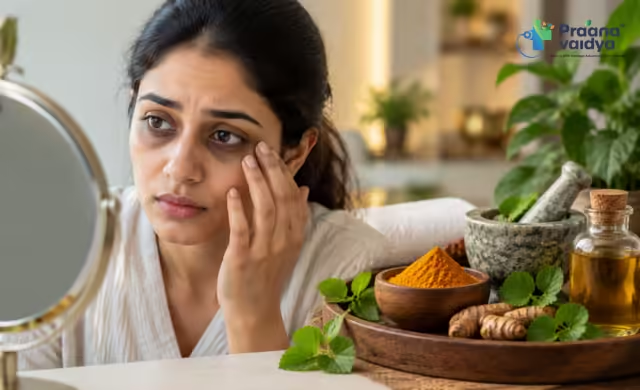
Dark circles under the eyes are a common concern that can make the face appear tired or dull. They may develop due to genetics, ageing, sun exposure, allergies, sleep patterns, dehydration, skin pigmentation, or the natural structure of the area around the eyes.
When exploring dark circles Ayurveda, the traditional approach looks beyond the appearance of the skin. Ayurveda considers factors such as individual constitution, daily routine, sleep, diet, digestion, stress, and overall wellbeing.
Traditional Ayurvedic skin-care practices may therefore be used as part of a broader wellness routine. However, dark circles can have many different causes, and no single Ayurvedic remedy is guaranteed to remove them.
At Praanavaidya, Ayurvedic wellness approaches can be considered alongside appropriate medical or dermatological evaluation when dark circles are persistent, unusual, or associated with other symptoms.
What Are Dark Circles?
Dark circles refer to a darker or shadowed appearance around the skin beneath the eyes.
Depending on the person’s skin tone and underlying cause, they may appear:
- Brown or dark brown
- Greyish
- Blue or purple
- Reddish-brown
- Deeper or more shadowed than the surrounding skin
Dark circles do not always result from increased pigmentation alone.
They may be influenced by:
- Increased skin pigmentation
- Visible blood vessels beneath thin skin
- Changes associated with ageing
- Facial anatomy and natural shadows
- Under-eye hollowness
- Skin irritation or inflammation
- A combination of several factors
Because the causes vary, the most suitable approach also varies from person to person.
What Causes Dark Circles?
There is usually no single cause of dark circles.
Genetics
Genetics can influence skin thickness, pigmentation, facial structure, and the tendency to develop under-eye darkness.
Some people may naturally have more noticeable dark circles even when they are healthy and well rested.
Ageing
As people age, the skin may become thinner and lose some of its elasticity and volume.
This can make blood vessels and underlying structures more visible and may create shadows beneath the eyes.
Sun Exposure
Ultraviolet exposure can stimulate pigmentation and may make existing dark areas more noticeable.
Regular sun protection is therefore an important part of managing pigmentation concerns.
Sleep and Fatigue
Insufficient or disrupted sleep can make the under-eye area appear darker, puffy, or more tired.
Poor sleep may not be the only cause of dark circles, but it can make an existing concern more noticeable.
Allergies
Allergies can cause itching, watering, congestion, and frequent rubbing of the eyes.
Repeated rubbing may irritate the delicate skin around the eyes and contribute to discoloration.
Dehydration
When the body does not receive enough fluids, the skin may appear less plump or more dull. The area beneath the eyes may also look more sunken in some people.
Lifestyle Factors
Stress, irregular sleep, smoking, nutritional problems, and other lifestyle factors may influence the overall appearance and health of the skin.
Dark Circles Through an Ayurvedic Perspective
Ayurveda traditionally views skin health as part of overall health rather than as an isolated cosmetic issue.
When considering dark circles causes Ayurveda, an Ayurvedic practitioner may take into account:
- Prakriti, or individual constitution
- Vikriti, or the current state of imbalance
- Sleep patterns
- Diet
- Digestion
- Stress
- Daily routine
- Seasonal influences
- Skin characteristics
- Lifestyle habits
Ayurveda also describes three doshas:
- Vata
- Pitta
- Kapha
Dark circles should not automatically be attributed to one dosha. Instead, the traditional Ayurvedic approach may consider the individual’s overall pattern before recommending lifestyle or skin-care practices.
Dark Circles and Vata
Vata is traditionally associated with qualities such as dryness, lightness, and movement.
From an Ayurvedic perspective, irregular routines, inadequate rest, stress, excessive activity, and dehydration may be considered factors that increase Vata-like qualities.
An Ayurvedic wellness routine may therefore emphasise:
- Regular sleep
- Consistent meal times
- Adequate hydration
- Nourishing foods
- Gentle skin care
- Stress management
These practices support general wellbeing but should not be considered a guaranteed treatment for dark circles.
Dark Circles and Pitta
Pitta is traditionally associated with heat and transformation.
When pigmentation or skin sensitivity is prominent, Ayurvedic practitioners may consider Pitta-related patterns as part of an individual assessment.
Traditional Pitta-supportive lifestyle practices may include:
- Appropriate sun protection
- Avoiding excessive heat exposure
- Gentle skin care
- Adequate hydration
- Balanced meals
- Stress-management practices
Persistent or significant pigmentation should still be evaluated medically when appropriate.
Dark Circles and Kapha
Kapha is traditionally associated with stability, heaviness, and moisture.
Kapha is not automatically considered the cause of dark circles. However, an Ayurvedic practitioner may consider overall fluid balance, lifestyle, skin characteristics, and other individual factors during an assessment.
This reflects an important principle of Ayurveda: symptoms are considered in the context of the individual rather than in isolation.
What Is the Ayurvedic Approach to Dark Circles?
An Ayurvedic approach to dark circles Ayurvedic treatment may combine external skin care with healthy lifestyle practices.
Depending on the individual’s needs, traditional recommendations may include:
- Regular sleep
- Balanced nutrition
- Adequate hydration
- Stress management
- Gentle facial massage
- Suitable moisturising oils or preparations
- Sun protection
- Consistent daily routines
The recommendations should be personalised rather than assuming that the same remedy will work for everyone.
Ayurvedic Remedies Traditionally Used for Under-Eye Care
Several natural ingredients are commonly used in traditional Indian and Ayurvedic-inspired skin-care routines.
However, the skin around the eyes is delicate, so caution is particularly important.
Rose Water
Rose water is traditionally used as a refreshing skin-care ingredient.
If using a product around the eyes, choose a clean product intended for appropriate skin use and avoid getting it directly into the eyes.
Cucumber
Cucumber slices are a common home-care practice for refreshing the under-eye area.
The cool sensation may temporarily make tired-looking eyes feel more comfortable, but cucumber should not be expected to permanently remove dark circles.
Aloe Vera
Aloe vera is commonly used as a soothing and moisturising skin-care ingredient.
If applying it near the eyes, use a suitable product and avoid direct contact with the eyes.
Coconut Oil
Coconut oil can moisturise dry skin and is used in some traditional beauty routines.
However, it does not have established evidence as a treatment for all forms of dark circles and may not suit everyone, particularly people prone to facial breakouts.
Almond Oil
Almond oil is traditionally used in some skin-care and massage routines.
People with nut allergies should take appropriate precautions and avoid products that may trigger a reaction.
Can Ayurvedic Oils Remove Dark Circles?
Ayurvedic oils may help moisturise the skin and can be part of a gentle self-care routine.
However, there is no guarantee that applying an oil will remove dark circles.
This is particularly important when dark circles are primarily related to:
- Genetics
- Facial anatomy
- Ageing
- Pigmentation
- Allergies
- Under-eye hollowness
- Other underlying conditions
Oils should therefore be viewed as supportive skin-care products rather than guaranteed pigmentation treatments.
Gentle Under-Eye Massage
A gentle massage can be included in a facial self-care routine if it feels comfortable.
How to Perform a Gentle Massage
- Clean your face gently.
- Apply a small amount of a suitable moisturiser or skin-care product.
- Use your ring finger to apply very light pressure.
- Gently tap or glide along the orbital bone.
- Avoid pressing directly on the eyeball.
- Do not rub the delicate skin aggressively.
The purpose should be gentle skin care rather than forceful massage.
Why Sleep Matters for Dark Circles
Sleep is an important part of overall health and can influence how rested the face appears.
Insufficient or irregular sleep may make existing under-eye darkness, puffiness, or tiredness more noticeable.
A consistent sleep routine may include:
- Going to bed and waking at similar times
- Allowing enough time for sleep
- Reducing stimulating activities before bedtime
- Limiting excessive caffeine late in the day
- Keeping the sleeping environment comfortable
Ayurveda traditionally places importance on regular daily routines, making consistent sleep an important part of Ayurvedic lifestyle practices.
Diet and Dark Circles
There is no single food that can eliminate dark circles.
However, balanced nutrition supports normal skin health and overall wellbeing.
A varied diet can include:
- Fruits
- Vegetables
- Whole grains
- Pulses and other protein sources
- Nuts and seeds when appropriate
- Healthy fats
- Adequate fluids
Certain nutritional deficiencies can contribute to symptoms such as pallor or fatigue in some people.
If dark circles occur along with persistent tiredness, dizziness, pale skin, hair changes, or other symptoms, it is better to speak with a healthcare professional rather than assuming the problem is purely cosmetic.
Hydration and Under-Eye Appearance
Adequate hydration is important for normal body functions and overall skin health.
Dehydration may contribute to a dull appearance or make the area beneath the eyes look more sunken in some people.
Hydrating foods can also contribute to overall fluid intake, including:
- Fruits
- Vegetables
- Soups
- Other water-rich foods
Individual fluid requirements vary, so there is no single amount that everyone needs to drink each day.
Sun Protection for Dark Circles
Sun exposure can contribute to pigmentation and may make dark areas around the eyes more noticeable.
Appropriate sun protection is therefore an important part of Ayurvedic skin care for dark circles.
Helpful measures include:
- Broad-spectrum sunscreen suitable for the face
- Sunglasses
- Hats or other physical protection
- Seeking shade
- Limiting prolonged direct sun exposure
Traditional skin-care practices should complement rather than replace established sun-protection measures.
Dark Circles and Screen Time
Long periods of screen use are not necessarily a direct cause of skin pigmentation.
However, prolonged screen use can contribute to eye strain, dryness, and a tired-looking appearance.
If you spend many hours using a computer or phone, consider:
- Taking regular screen breaks
- Following the 20-20-20 rule
- Blinking regularly
- Adjusting screen brightness
- Maintaining a comfortable viewing distance
- Getting adequate sleep
Persistent eye pain, vision changes, significant redness, or other eye symptoms should be assessed by an eye-care professional.
Stress and Dark Circles
Stress can influence sleep, eating habits, daily routines, and overall wellbeing.
Ayurveda traditionally emphasises balance between the mind and body and may incorporate practices such as:
- Meditation
- Pranayama
- Yoga
- Abhyanga
- Relaxation practices
- Consistent sleep
- Mindful eating
These practices may support general wellbeing but should not be presented as guaranteed treatments for under-eye pigmentation.
How to Prevent Dark Circles From Becoming More Noticeable
Prevention depends on understanding the factors contributing to your dark circles.
Maintain Regular Sleep
Aim for adequate and consistent sleep.
Protect Your Skin From the Sun
Use appropriate sunscreen and physical sun protection.
Avoid Rubbing Your Eyes
Frequent rubbing can irritate the delicate skin around the eyes.
Manage Allergies
If allergies cause itching or frequent eye rubbing, appropriate treatment may help reduce irritation.
Maintain Adequate Hydration
Drink enough fluids according to your individual needs.
Eat a Balanced Diet
Make sure your diet provides adequate overall nutrition.
Use Gentle Skin Care
Avoid harsh scrubs and irritating products around the eyes.
Common Mistakes When Treating Dark Circles Naturally
Natural does not always mean safe, especially around the eyes.
Applying Lemon Juice
Lemon juice can irritate sensitive skin and is not recommended as a DIY treatment for under-eye pigmentation.
Rubbing the Under-Eye Area
Aggressive rubbing can irritate the skin and potentially worsen discoloration.
Applying Undiluted Essential Oils
Concentrated essential oils may irritate the delicate skin around the eyes and should not be applied directly without appropriate professional guidance.
Expecting Instant Results
Dark circles caused by genetics, pigmentation, ageing, or facial structure may not respond quickly to topical care.
Ignoring Allergies
Persistent itching and rubbing caused by allergies can contribute to irritation and discoloration.
Skipping Sun Protection
Sun exposure can worsen pigmentation, making sun protection an important part of skin care.
Can Ayurveda Completely Remove Dark Circles?
There is no reliable evidence that Ayurveda or any single natural ingredient can completely remove every type of dark circle.
The outcome depends on the underlying cause.
For example, dark circles primarily related to genetics, facial anatomy, ageing, or under-eye hollowness may not disappear through topical remedies.
A realistic approach is to use Ayurvedic wellness and skin-care practices to support healthy habits and skin while identifying and addressing contributing factors.
When Should You See a Doctor?
Dark circles are usually a cosmetic concern, but professional evaluation may be appropriate when they are:
- New and persistent
- Appearing suddenly
- Associated with significant swelling
- Accompanied by severe itching or a rash
- Associated with eye pain
- Accompanied by vision changes
- Associated with unexplained fatigue or other symptoms
- Noticeably affecting only one side and changing rapidly
A dermatologist, physician, or appropriate eye-care professional can help determine whether pigmentation, allergies, a skin condition, facial anatomy, or another factor is contributing to the change.
Final Thoughts
Dark circles can develop for many different reasons, so there is no single solution that works for everyone.
From an Ayurvedic perspective, dark circles Ayurveda approaches may consider the relationship between skin health, sleep, diet, digestion, stress, individual constitution, and daily routine.
Traditional practices such as gentle skin care, appropriate moisturisation, regular sleep, balanced nutrition, stress management, and sun protection may support overall skin wellness.
At the same time, genetics, ageing, pigmentation, allergies, dehydration, and facial anatomy can significantly influence the appearance of the under-eye area.
Ayurvedic care is therefore best viewed as a supportive approach rather than a guaranteed cure for dark circles. Understanding the likely cause and seeking professional advice when symptoms are persistent or unusual can help ensure that the appropriate care is provided.
Visit Us in-
Rajajinagar- 08065903133
Hubballi – 08065903145
Indiranagar- 08065903135
Mumbai-08065903118
Yelahanka- 08065903134
Mangaluru-08065903136
Chamrajpet-08065903132
Delhi-08065903140
Lucknow-08065903130
Frequently Asked Questions
What causes dark circles according to Ayurveda?
Ayurveda may consider factors such as individual constitution, lifestyle, sleep, digestion, stress, diet, and daily routine. Modern factors can include genetics, pigmentation, ageing, allergies, dehydration, and facial anatomy.
Can Ayurveda remove dark circles permanently?
There is no guarantee of permanent removal. Ayurvedic practices may support healthy skin and lifestyle habits, but the outcome depends on the underlying cause.
What is the best Ayurvedic remedy for dark circles?
There is no single remedy that is best for everyone. Gentle skin care, adequate sleep, balanced nutrition, hydration, and sun protection may be more appropriate than relying on one ingredient.
Is coconut oil good for dark circles?
Coconut oil can moisturise dry skin, but there is not enough evidence to consider it a reliable treatment for all types of dark circles. It may also feel heavy or unsuitable for some skin types.
Does poor sleep cause dark circles?
Poor or insufficient sleep can make existing under-eye darkness and tiredness more noticeable. However, sleep is usually only one of several possible factors.
Can stress cause dark circles?
Stress may indirectly contribute by affecting sleep, daily routines, nutrition, and overall wellbeing. It is not necessarily the only cause of dark circles.
Can diet improve dark circles?
A balanced diet supports overall health and skin function. If an underlying nutritional deficiency contributes to the person’s symptoms, treating that deficiency may help, but supplementation should be based on appropriate medical advice.
Can allergies cause dark circles?
Yes. Allergies can cause itching and frequent eye rubbing, which may contribute to irritation and discoloration around the eyes.
Is under-eye massage safe?
Gentle massage around the orbital bone may be comfortable for many people. However, the eyeball should never be pressed, and aggressive rubbing should be avoided.
When should dark circles be medically evaluated?
Persistent or sudden changes, significant swelling, pain, vision changes, severe itching, or other unusual symptoms should be evaluated by an appropriate healthcare professional.
Praanavaidya
Healthcare Professional
Focused on patient-centric care and evidence-based treatment plans.
More from Praanavaidya