
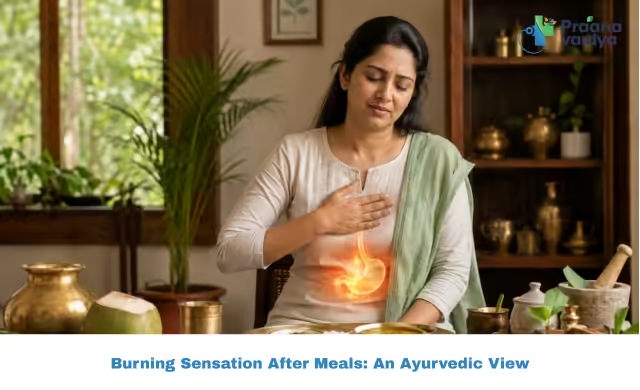
A meal is supposed to leave you feeling nourished and satisfied. But for some people, eating is followed by an uncomfortable sensation of heat or burning in the stomach or chest. It may appear shortly after food, become noticeable when lying down, or return repeatedly after particular meals.
A recurring burning sensation after meals is often associated with digestive problems such as acid reflux, heartburn, gastritis, or indigestion. These symptoms can have several causes and should not automatically be attributed to one condition.
Ayurveda offers a different way of understanding this discomfort. Instead of looking at burning as an isolated symptom, Ayurveda considers the condition of Agni, the balance of Pitta Dosha, the quality and timing of food, and the functioning of the digestive system as a whole.
In Ayurvedic literature, digestive complaints involving sourness, burning, and excessive acidity are often discussed under Amlapitta. The Ayurvedic approach therefore focuses on identifying factors that disturb digestion and Pitta before selecting appropriate dietary, lifestyle, herbal, or therapeutic interventions.
At Praanavaidya, Ayurvedic physicians assess the individual’s constitution, digestive patterns, food habits, lifestyle, and existing health conditions before recommending personalised care.
What Does Burning After Eating Feel Like?
The sensation can vary from person to person.
Someone may describe it as:
- Heat or burning in the upper abdomen
- Burning behind the breastbone
- Sourness in the mouth
- Acidic or sour belching
- Discomfort after heavy meals
- Burning that becomes worse when lying down
- A feeling of excessive heat in the stomach
- Occasional nausea or bloating
The location and timing of the sensation can provide useful information, but they cannot establish a diagnosis on their own.
Why Can Burning Sensation After Meals Happen?
From a modern medical perspective, burning after eating may be associated with conditions such as gastroesophageal reflux disease (GERD), gastritis, peptic ulcers, functional dyspepsia, or certain food sensitivities.
Lifestyle factors can also contribute.
These may include:
- Eating very large meals
- Eating too quickly
- Lying down soon after eating
- Frequent consumption of very spicy or fatty foods
- Alcohol consumption
- Smoking
- Excess body weight
- Certain medications
- Irregular meal patterns
Persistent or severe symptoms require appropriate medical assessment.
What Does Ayurveda Say About Burning After Meals?
Ayurveda places Agni, or digestive fire, at the centre of digestive health.
Agni is responsible for transforming food so that the body can utilise nutrients effectively.
When Agni functions appropriately, digestion is considered balanced.
However, when digestive processes become disturbed, Ayurveda describes different patterns of digestive imbalance.
A burning sensation is particularly associated with Pitta Dosha, because Pitta governs transformation, digestion, and metabolic activity.
The Connection Between Pitta and Digestive Heat
Pitta has qualities associated with heat, intensity, and transformation.
A balanced Pitta supports:
- Digestion
- Appetite
- Metabolism
- Nutrient transformation
- Body temperature regulation
When Pitta becomes aggravated, Ayurveda associates it with symptoms involving excessive heat or irritation.
This may manifest as:
- Burning sensations
- Sour belching
- Increased acidity
- Excessive thirst
- Irritability
- Loose stools in some individuals
However, having one of these symptoms does not automatically mean that Pitta is aggravated. Ayurvedic assessment considers the complete symptom pattern.
Amlapitta: The Ayurvedic Perspective on Acidic Digestion
One important Ayurvedic concept relevant to recurring digestive burning is Amlapitta.
The term combines the ideas of Amla, meaning sourness, and Pitta, referring to the Dosha associated with digestion and transformation.
Amlapitta is traditionally described in relation to symptoms such as:
- Sour belching
- Burning sensations
- Loss of appetite or altered appetite
- Nausea
- Indigestion
- Heaviness
- Abdominal discomfort
Ayurvedic physicians do not diagnose Amlapitta based on burning alone. They consider the individual’s digestive pattern, food habits, Dosha constitution, and associated symptoms.
Is Your Eating Pattern Aggravating Your Digestion?
Sometimes the problem may not be one particular food but the way meals are consumed.
Ayurveda places importance on Ahara Vidhi, the principles of appropriate eating.
Digestive discomfort may become more likely when a person regularly:
- Eats beyond fullness
- Skips meals and overeats later
- Eats very late at night
- Eats while under significant stress
- Consumes meals too quickly
- Frequently combines very heavy foods
- Goes to bed immediately after dinner
Creating a predictable eating routine can therefore be an important part of Ayurvedic digestive care.
Foods That May Aggravate Pitta
Ayurveda traditionally considers certain foods and eating habits more likely to increase Pitta in susceptible individuals.
These may include excessive:
- Very spicy foods
- Chilli-heavy preparations
- Deep-fried foods
- Highly sour foods
- Pickled foods
- Alcohol
- Very salty foods
- Highly processed foods
This does not mean that every person must completely eliminate these foods.
Ayurvedic dietary recommendations are based on the individual’s constitution, symptoms, digestive capacity, season, and overall health.
Why Meal Timing Matters in Ayurveda
The digestive system follows natural rhythms.
Eating at relatively consistent times allows the body to establish a predictable digestive routine.
Repeatedly skipping meals, eating very late, or having extremely large meals may disturb this rhythm.
For someone experiencing a burning sensation after meals, keeping a food and symptom diary can be useful. Recording what was eaten, when it was eaten, portion size, and when symptoms appeared may help identify recurring patterns.
What Happens When You Lie Down After Eating?
Some people notice that burning becomes worse when they lie down soon after dinner.
From a modern medical perspective, lying down can make reflux symptoms more noticeable in susceptible individuals.
Ayurveda also emphasises allowing sufficient time for digestion rather than immediately sleeping after a heavy meal.
A practical approach is to:
- Eat dinner at a reasonable time
- Avoid very heavy meals late at night
- Remain upright after eating
- Follow the advice of your healthcare professional if reflux is diagnosed
Ayurvedic Approach to Managing Digestive Burning
Ayurveda does not use one treatment for everyone experiencing burning.
The physician first determines whether the predominant issue relates to Pitta, Vata, Kapha, Agni, food habits, lifestyle, or another underlying condition.
Treatment may include the following.
Panchakarma and Digestive Health
Panchakarma is not automatically required for everyone with digestive discomfort.
For selected individuals, specific procedures may be considered after detailed assessment.
In cases where aggravated Pitta is prominent, Virechana may be considered by an Ayurvedic physician when clinically appropriate.
This is a physician-supervised therapeutic procedure and should not be attempted at home.
The treatment is selected only after considering the individual’s strength, digestive status, age, health history, and contraindications.
Supporting Agni Without Increasing Pitta
One of the interesting aspects of Ayurvedic digestive care is that improving digestion does not simply mean making digestion “stronger.”
If Pitta is already excessive, aggressive digestive stimulation may potentially worsen heat-related symptoms.
Therefore, the objective is to support balanced Agni rather than excessively stimulate it.
This is why personalised assessment is important.
When Should You Not Assume It Is Just Acidity?
Occasional mild burning may be related to diet or reflux, but recurring symptoms should not automatically be self-treated.
Seek medical evaluation if you experience:
- Frequent or persistent burning
- Difficulty swallowing
- Painful swallowing
- Repeated vomiting
- Unexplained weight loss
- Vomiting blood
- Black or tarry stools
- Severe or persistent abdominal pain
- Chest pain
- Symptoms that repeatedly disturb sleep
Chest discomfort can sometimes resemble heart-related problems. Severe or unexplained chest pain, particularly with breathlessness, sweating, dizziness, or pain spreading to the arm or jaw, requires urgent medical attention.
Conclusion
A recurring burning sensation after meals should not simply be dismissed as “normal acidity.” The symptom can have multiple causes, ranging from dietary triggers and reflux to underlying gastrointestinal conditions.
Ayurveda approaches post-meal discomfort by looking at the wider digestive picture. Concepts such as Agni, Pitta Dosha, and Amlapitta help Ayurvedic physicians understand patterns of heat, sourness, and digestive disturbance. Rather than using the same remedy for everyone, treatment is tailored according to constitution, digestion, lifestyle, food habits, and associated symptoms.
Dietary correction, regular meal patterns, stress management, appropriate herbal support, and selected Ayurvedic therapies may form part of a personalised plan. However, persistent or severe symptoms should always receive proper medical evaluation.
At Praanavaidya, Ayurvedic physicians provide individualised consultations to understand the factors contributing to digestive discomfort and recommend an appropriate care plan. If you frequently experience burning after eating, professional evaluation can help identify the underlying pattern and guide you towards safer, more personalised digestive care.
Visit Us in-
Rajajinagar- 08065903133
Hubballi – 08065903145
Indiranagar- 08065903135
Mumbai-08065903118
Yelahanka- 08065903134
Mangaluru-08065903136
Chamrajpet-08065903132
Delhi-08065903140
Lucknow-08065903130
Frequently Asked Questions
Why do I get a burning sensation after meals?
A burning sensation after meals can have several causes, including acid reflux, gastritis, certain foods, overeating, medications, and other digestive conditions. Ayurveda additionally evaluates the role of Pitta and Agni.
Is burning after eating always caused by excess Pitta?
Not necessarily. Ayurveda considers the entire symptom pattern before identifying a Dosha imbalance. Persistent burning should also be medically evaluated.
What foods should I avoid if I have stomach burning?
Common dietary triggers may include very spicy, fatty, acidic, or highly processed foods, but triggers vary between individuals. A food diary can help identify your personal triggers.
Can Ayurveda help with acidity?
Ayurvedic care may support digestive health through personalised diet, lifestyle, herbal medicines, and selected therapies. Treatment depends on the underlying cause and individual assessment.
Can I take Ayurvedic medicines for acidity on my own?
It is better to consult a qualified Ayurvedic physician, particularly if symptoms are frequent, severe, or accompanied by other symptoms.
Praanavaidya
Healthcare Professional
Focused on patient-centric care and evidence-based treatment plans.
More from Praanavaidya