

Water is essential for maintaining energy, digestion, circulation, and overall health. However, Ayurveda explains that hydration is not only about drinking a fixed amount of water every day. The timing, quantity, temperature, and individual body constitution also influence how your body absorbs and uses water.
Following Ayurvedic water drinking rules can help support healthy digestion, maintain balance among the body’s doshas, and encourage mindful hydration habits.
Many people drink water only when they feel thirsty or force themselves to consume large quantities because of general health advice. Ayurveda takes a more personalised approach by considering factors such as digestive strength (Agni), lifestyle, climate, physical activity, and body type.
At Praanavaidya, we follow traditional Ayurvedic principles combined with modern understanding to help individuals develop healthier daily routines for better wellbeing.
Want to understand how Ayurvedic lifestyle practices can support your health?
What Does Ayurveda Say About Drinking Water?
According to Ayurveda, water is one of the five fundamental elements (Pancha Mahabhutas) that contribute to the functioning of the human body. It helps maintain fluid balance, supports digestion, and nourishes tissues.
However, Ayurveda does not recommend drinking water randomly throughout the day. The body’s ability to process fluids depends on digestive fire, known as Agni.
When Agni is balanced:
- Digestion works efficiently.
- Nutrients are absorbed properly.
- The body maintains better energy levels.
When hydration habits disturb digestion:
- Digestive strength may reduce.
- Bloating and heaviness may occur.
- Appetite patterns may be affected.
The Ayurvedic approach focuses on drinking water in a way that supports the body’s natural rhythm.
Ayurvedic Water Drinking Rules You Should Follow
1. Drink Water According to Your Body’s Needs
One of the important Ayurvedic hydration tips is to listen to your body’s natural signals, especially thirst.
Thirst is considered an important communication from the body. While daily water requirements vary from person to person, factors such as weather, activity level, diet, and health conditions influence how much water someone needs.
Instead of following a fixed quantity for everyone:
- Drink when you feel thirsty.
- Increase intake during hot weather or physical activity.
- Consider additional hydration needs during exercise or increased sweating.
- Avoid forcing excessive water intake without a specific reason.
Ayurveda encourages awareness rather than extreme practices.
2. Drink Water Slowly Instead of Drinking Too Much at Once
The way you drink water can influence how comfortably your body handles hydration.
Ayurvedic practices generally recommend:
- Taking small sips instead of quickly drinking large amounts.
- Allowing the body time to absorb fluids.
- Avoiding unnecessary strain on digestion.
Drinking water slowly may help maintain comfort, especially for people who experience bloating or heaviness after consuming fluids.
3. Avoid Drinking Excessive Water Immediately Before or After Meals
One commonly discussed Ayurvedic water drinking rule relates to meal timing.
Drinking a large quantity of water immediately before meals may reduce hunger in some people. Similarly, consuming excessive amounts during meals may affect digestive comfort.
A balanced approach:
- Drink enough water to stay comfortable during meals.
- Avoid filling the stomach completely with water before eating.
- Take small sips if needed while having food.
A small amount of water during meals can support comfortable eating, while excessive intake may make digestion feel slower for some individuals.
4. Prefer Room Temperature or Warm Water When Suitable
Ayurveda traditionally recommends warm water in many situations because it is considered easier for digestion compared with very cold water.
Warm water may be preferred by people who experience:
- Digestive discomfort.
- Feeling of heaviness after meals.
- Bloating.
However, water temperature preference can vary depending on individual needs, climate, and health conditions.
During hot weather, room temperature water may be more comfortable for many people.
The ideal approach is choosing what supports your comfort and digestion.
5. Start Your Morning with Mindful Hydration
Many Ayurvedic routines include drinking water after waking up as part of a healthy morning practice.
Morning hydration may help:
- Replenish fluids lost during sleep.
- Support regular bowel habits.
- Prepare the body for the day.
Some people prefer warm water in the morning as part of their routine. However, individual responses may differ.
A healthy morning routine can include:
- Drinking water calmly after waking.
- Maintaining regular meal timings.
- Following proper sleep and lifestyle habits.
How Much Water Should You Drink According to Ayurveda?
A common question is: “How much water should I drink according to Ayurveda?”
Ayurveda does not prescribe one universal amount because hydration requirements depend on individual factors.
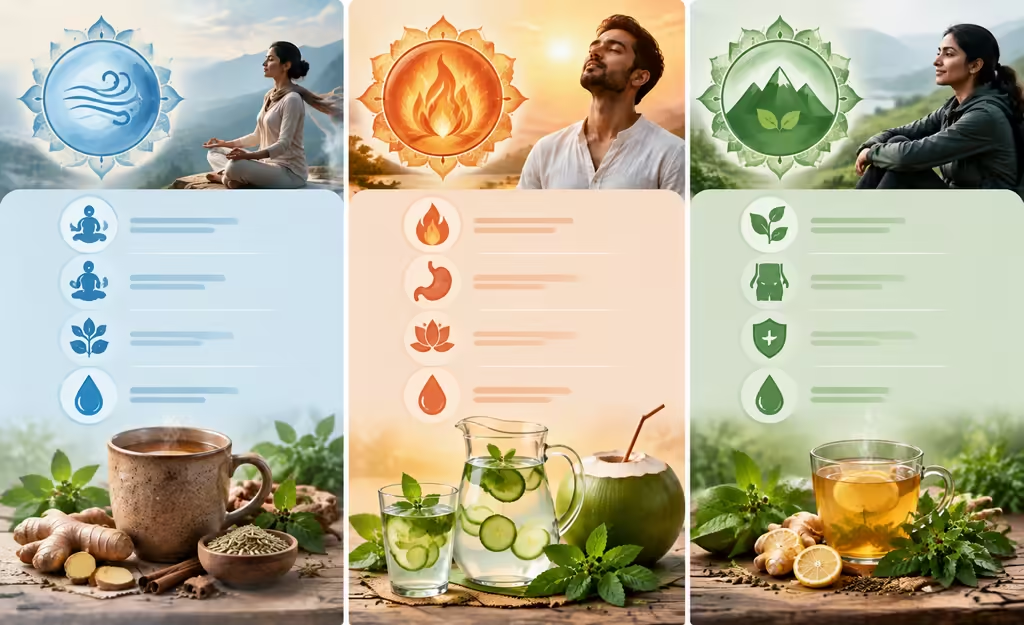
Important factors include:
Body Constitution (Prakriti)
Ayurveda categorises individuals based on three primary doshas:
Vata Dosha
People with Vata dominance may benefit from maintaining consistent hydration habits because irregular routines can affect balance.
Helpful practices:
- Drink water regularly throughout the day.
- Prefer warm or room temperature water if comfortable.
- Avoid long gaps without fluids.
Pitta Dosha
Pitta types are associated with heat and metabolism.
Helpful practices:
- Maintain adequate hydration.
- Prefer cooling and comfortable fluids.
- Increase water intake during hot conditions.
Kapha Dosha
Kapha types are associated with stability and structure.
Helpful practices:
- Avoid unnecessary excessive water consumption.
- Maintain balanced hydration based on activity and thirst.
Understanding your constitution can help create more personalised lifestyle choices.
Ayurvedic Hydration Mistakes to Avoid
Many common drinking habits may not align with mindful Ayurvedic hydration practices.
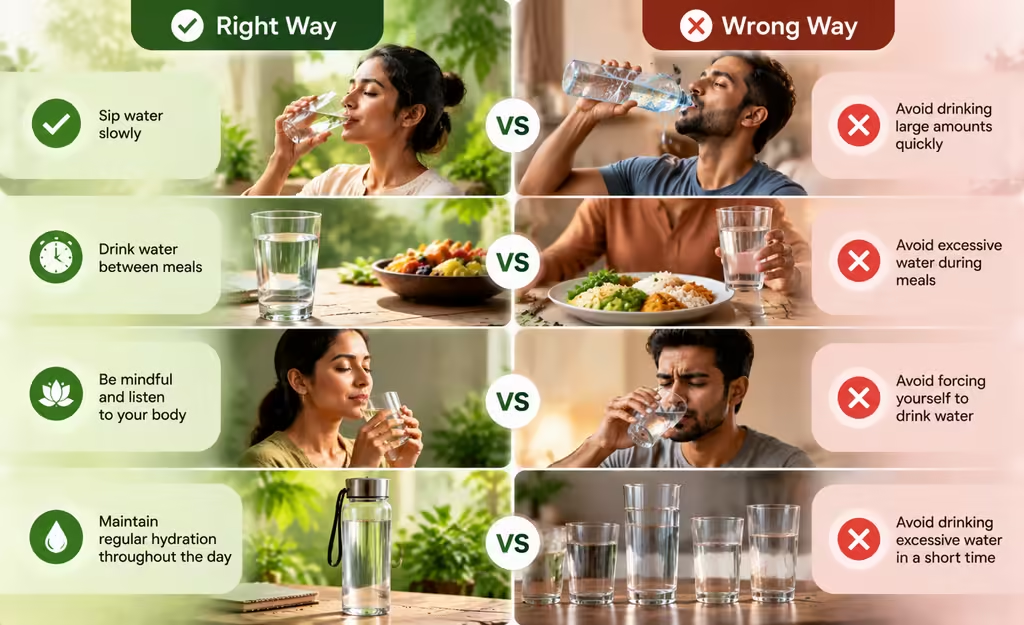
Drinking Water Too Quickly
Rapidly consuming large quantities of water may cause discomfort for some people.
Better approach:
- Sip slowly.
- Spread water intake throughout the day.
Drinking Water Without Thirst
While hydration is important, continuously forcing water beyond your body’s requirements may not always be beneficial.
Better approach:
- Maintain awareness of thirst signals.
- Adjust intake based on your lifestyle.
Ignoring Hydration During Physical Activity
Sweating increases fluid loss.
Remember to:
- Drink enough fluids during increased physical activity.
- Consider environmental conditions.
- Maintain electrolyte balance when required.
The Connection Between Digestion and Hydration in Ayurveda
Ayurveda considers digestion as a central pillar of health. Proper hydration supports bodily functions, but the timing of water intake should not unnecessarily disturb digestion.
Healthy digestion depends on:
- Balanced Agni.
- Regular eating patterns.
- Appropriate food choices.
- Adequate hydration.
A mindful hydration routine combined with a balanced diet and lifestyle may support overall wellness.
At Praanavaidya, Ayurvedic experts help individuals understand personalised wellness practices based on traditional principles. Explore Ayurvedic consultations and lifestyle guidance at our centres.
Practical Ayurvedic Hydration Routine for Everyday Life
Creating a simple hydration routine can make it easier to follow Ayurvedic principles consistently. The goal is not to follow strict rules but to develop awareness about your body’s requirements.
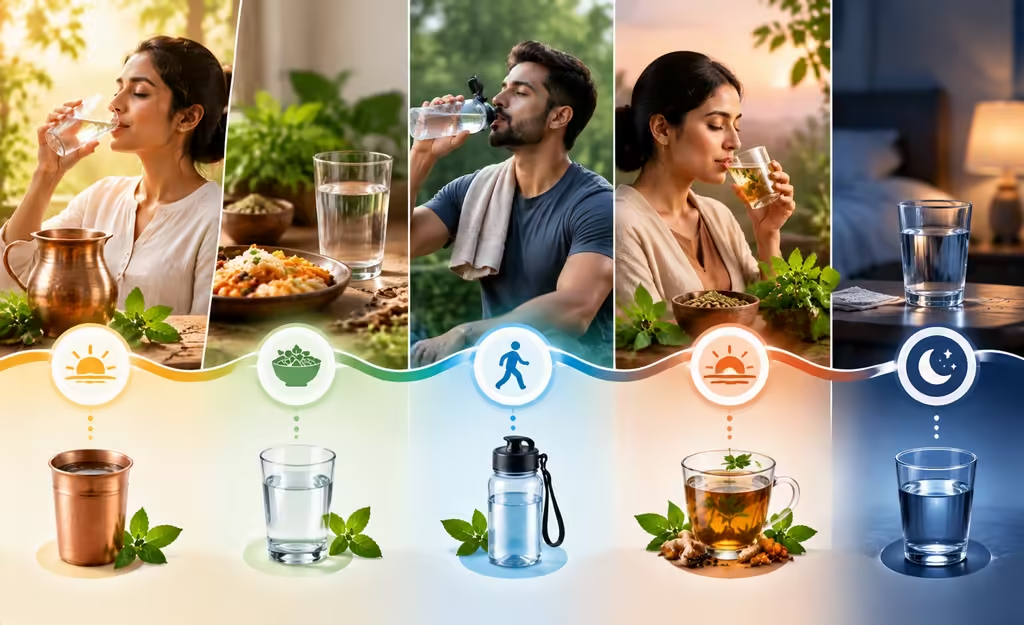
A balanced daily approach may include:
- Drinking water after waking up based on your comfort.
- Keeping water available during the day.
- Taking small sips instead of consuming large amounts suddenly.
- Adjusting water intake according to weather and physical activity.
- Avoiding habits that disturb digestion.
Morning Hydration
After waking up, the body naturally transitions from a resting state to an active state. Drinking water in the morning is a common wellness practice followed by many Ayurvedic traditions.
A mindful morning routine may include:
- Drinking water slowly.
- Maintaining regular bowel habits.
- Following a consistent breakfast schedule.
- Avoiding immediately rushing into daily activities.
Hydration During Work Hours
Long working hours, travel, and screen-based routines can cause people to forget drinking water.
Simple habits include:
- Keeping water nearby.
- Taking regular breaks.
- Drinking before feeling extremely thirsty.
- Choosing water over excessive caffeinated beverages.
Hydration During Exercise and Hot Weather
Climate and physical activity significantly influence fluid requirements.
People living in warmer regions such as Bangalore, Hubballi, Mangalore, Mumbai, Delhi, and Lucknow may need to pay closer attention to hydration during hotter months.
During increased sweating:
- Drink adequate fluids.
- Replace lost electrolytes when required.
- Avoid ignoring signs of dehydration.
Does Ayurveda Recommend Drinking Warm Water?
One of the frequently searched questions about Ayurvedic hydration is whether warm water is better than cold water.
Ayurveda traditionally recommends warm water in many situations because it is considered supportive for digestion and comfort.
Potential benefits of warm water include:
- Helping some people feel lighter after meals.
- Supporting comfortable digestion.
- Providing warmth during colder conditions.
However, there is no single water temperature that works for everyone.
Factors to consider:
- Personal comfort.
- Season.
- Activity level.
- Health conditions.
- Digestive response.
The best choice is the temperature that suits your body and lifestyle.
Can Drinking Water Improve Digestion According to Ayurveda?
Ayurveda views digestion as an important foundation of health. Water plays a role in maintaining normal body functions, but excessive or poorly timed consumption may affect digestive comfort in some individuals.
Good hydration habits along with:
- Balanced meals.
- Proper meal timings.
- Regular sleep.
- Stress management.
can support overall wellness.
It is important to remember that hydration alone cannot replace a balanced lifestyle.
Signs Your Body May Need More Hydration
While thirst is a natural indicator, certain signs may suggest that your body needs more fluids.
Common signs include:
- Dry mouth.
- Dark-coloured urine.
- Feeling tired.
- Reduced concentration.
- Increased thirst.
- Dry skin.
If dehydration symptoms continue or are severe, professional medical advice should be considered.
Modern Lifestyle and Ayurvedic Hydration Practices
Today’s lifestyle often creates unhealthy hydration patterns.
Common challenges include:
- Busy schedules.
- Excessive caffeine consumption.
- Sitting indoors for long hours.
- Forgetting water during work.
- Irregular meals.
Combining modern awareness with Ayurvedic lifestyle principles can help create sustainable habits.
A balanced approach includes:
- Understanding your body’s signals.
- Maintaining consistent routines.
- Choosing appropriate hydration based on your needs.
How Praanavaidya Supports Ayurvedic Wellness
Ayurveda focuses on personalised care rather than a one-size-fits-all approach. Every individual has unique requirements based on constitution, lifestyle, environment, and health goals.
At Praanavaidya, Ayurvedic wellness guidance focuses on traditional principles that encourage balance and healthier daily routines.
Praanavaidya helps individuals explore Ayurvedic approaches for improving lifestyle, digestion, and overall wellbeing.
Looking for personalised Ayurvedic guidance? Visit Us in
Rajajinagar- 08065903133
Hubballi – 08065903145
Indiranagar- 08065903135
Mumbai-08065903118
Yelahanka- 08065903134
Mangaluru-08065903136
Jayanagar- 08065903132
Delhi-08065903140
Lucknow-08065903130
FAQs
1. What are the Ayurvedic water drinking rules?
Ayurvedic water drinking rules focus on mindful hydration, including drinking water according to thirst, consuming it slowly, maintaining proper timing around meals, and considering individual body needs.
2. When should I drink water according to Ayurveda?
According to Ayurvedic principles, water can be consumed throughout the day based on thirst and lifestyle needs. Many people prefer drinking water after waking up and maintaining regular hydration rather than consuming large amounts at once.
3. How much water should I drink according to Ayurveda?
Ayurveda does not recommend the same amount of water for everyone. Water requirements depend on factors such as body constitution, climate, physical activity, diet, and individual health needs.
4. Is drinking warm water better according to Ayurveda?
Ayurveda traditionally recommends warm water in many situations because it may feel comfortable and support digestion for some individuals. However, the ideal temperature depends on personal preference and circumstances.
5. Should we drink water before or after meals according to Ayurveda?
Ayurveda generally recommends avoiding excessive water intake immediately before or after meals. Small amounts of water during meals may be comfortable for many people, depending on individual digestion.
6. Can I drink cold water according to Ayurveda?
Ayurvedic traditions often suggest avoiding excessive cold water, especially around meals, as some individuals may experience digestive discomfort. However, water temperature can be adjusted according to personal comfort and environmental conditions.
7. How does hydration affect digestion in Ayurveda?
Ayurveda considers balanced hydration important for supporting normal body functions and digestion. Proper timing and quantity of water intake may help maintain digestive comfort.
8. Does Ayurveda suggest different water intake for Vata, Pitta, and Kapha?
Yes, Ayurveda considers body constitution (Prakriti) when discussing lifestyle practices. Hydration habits may be adjusted based on individual characteristics, climate, and daily routine.
Praanavaidya
Healthcare Professional
Focused on patient-centric care and evidence-based treatment plans.
More from Praanavaidya