
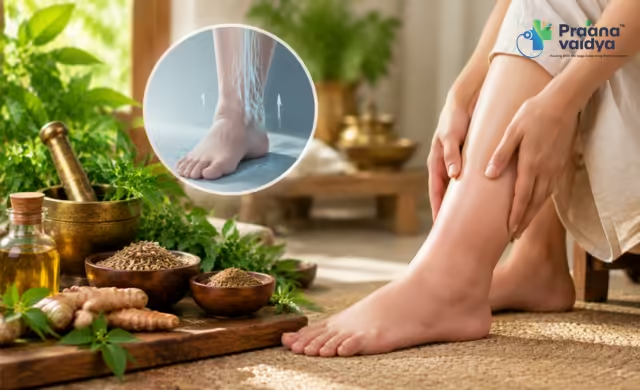
Feeling bloated, noticing swelling around your feet, hands, or face, or experiencing sudden changes in body weight can sometimes be linked to excess fluid accumulation in the body. This condition, commonly known as water retention, can occur due to several factors including lifestyle habits, dietary patterns, hormonal changes, and underlying health conditions.
Many people look for natural ways to support fluid balance and overall wellness. Ayurveda, the traditional Indian system of medicine, views water retention through the connection between digestion, metabolism, lifestyle, and the body’s natural balance. Understanding the Ayurvedic treatment for water retention can help individuals explore supportive wellness practices focused on maintaining harmony within the body.
At Praanavaidya, Ayurveda-based wellness approaches focus on understanding individual body constitution, identifying possible imbalances, and recommending personalised lifestyle and dietary guidance.
Looking for personalised Ayurvedic guidance for swelling, bloating, or fluid imbalance?
What Is Water Retention?
Water retention refers to the accumulation of excess fluid in body tissues. It may cause visible swelling or a feeling of heaviness in different areas of the body.
Common areas where water retention may appear include:
- Feet and ankles
- Hands and fingers
- Face and around the eyes
- Abdomen
- Legs
Temporary water retention is common and may occur due to factors such as increased salt intake, prolonged sitting, hormonal fluctuations, dehydration, or changes in daily routine.
However, persistent swelling or sudden fluid retention may require medical evaluation to identify the underlying cause.
Understanding Water Retention from an Ayurvedic Perspective
According to Ayurveda, maintaining balance between the body’s fundamental energies, known as Doshas, is essential for overall health. The three Doshas — Vata, Pitta, and Kapha — influence different physiological functions.

Water retention is often associated with an imbalance involving:
Kapha Dosha and Fluid Balance
Kapha is associated with stability, lubrication, and fluid-related functions in the body. When Kapha becomes aggravated due to factors such as heavy foods, lack of movement, or improper digestion, Ayurveda suggests that the body may experience heaviness, sluggishness, and fluid imbalance.
Agni (Digestive Fire) and Metabolism
Ayurveda considers Agni, or digestive strength, an important factor in maintaining balance. Poor digestion may affect how the body processes nutrients and eliminates waste products.
Factors that may influence digestive balance include:
- Irregular eating habits
- Excess consumption of processed foods
- Low physical activity
- Stress
- Poor sleep patterns
Ayurvedic wellness practices often focus on supporting digestion and encouraging balanced daily routines.
Common Causes of Water Retention
Water retention can develop due to various lifestyle and physiological factors.
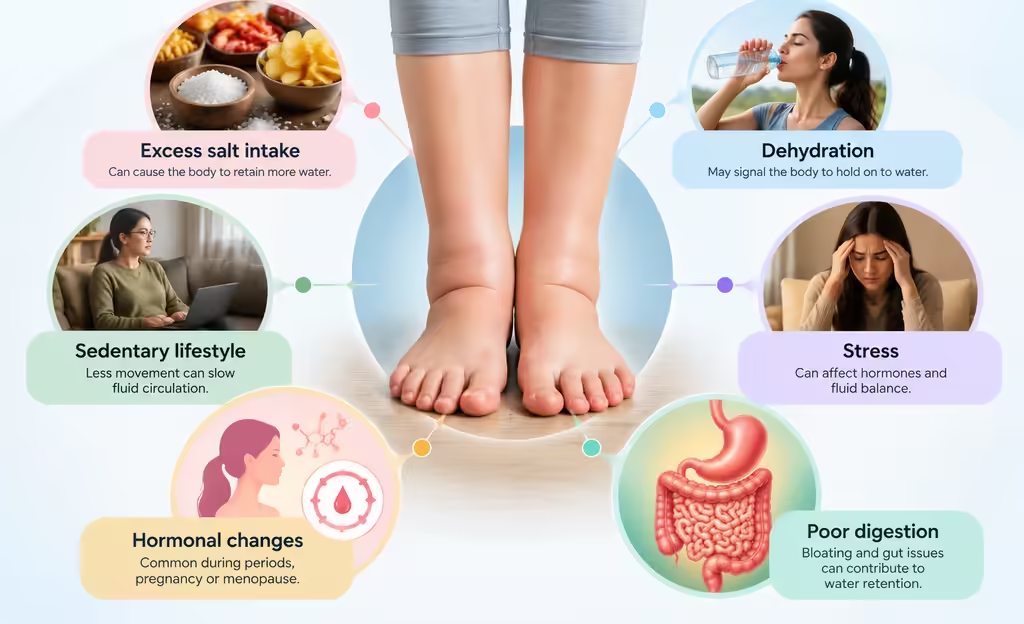
Some common contributors include:
High Sodium Intake
Eating foods high in salt may encourage the body to hold additional water. Processed foods, packaged snacks, and restaurant meals often contain higher sodium levels.
Lack of Physical Activity
Long periods of sitting or standing can affect circulation and may contribute to swelling, especially in the legs and feet.
Dehydration
When the body does not receive enough fluids, it may try to conserve available water. Maintaining adequate hydration supports normal body functions.
Hormonal Changes
Changes during menstrual cycles, pregnancy, or other hormonal fluctuations may influence temporary fluid retention.
Stress and Poor Sleep
Chronic stress can affect various body processes, including digestion, metabolism, and overall fluid regulation.
Ayurvedic Approach to Managing Water Retention Naturally
The Ayurvedic approach to water retention focuses on improving overall balance rather than addressing only one symptom. Recommendations are generally based on individual factors such as body constitution, lifestyle, digestion, and health history.
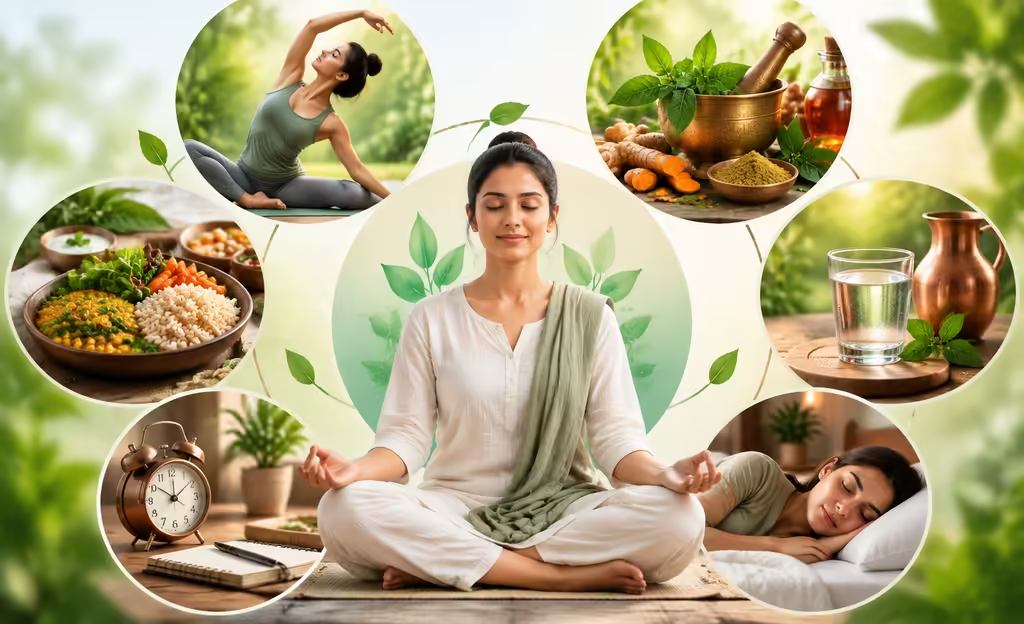
1. Following a Balanced Ayurvedic Diet
Diet plays an important role in Ayurveda. A balanced eating pattern may support digestion and overall wellness.
General dietary practices that may help maintain balance include:
- Choosing fresh, seasonal foods
- Reducing excessive salty and processed foods
- Including vegetables and fibre-rich foods
- Maintaining regular meal timings
- Supporting healthy digestion
An Ayurvedic practitioner may suggest dietary modifications based on an individual’s specific needs.
2. Supporting Healthy Digestion
Ayurveda places importance on maintaining healthy digestion. Simple lifestyle habits that may support digestion include:
- Eating mindfully
- Avoiding overeating
- Maintaining consistent meal schedules
- Drinking adequate water throughout the day
Good digestion supports the body’s natural processes and overall wellbeing.
3. Practising Regular Movement
Physical activity supports circulation and helps maintain metabolic balance.
Simple activities such as:
- Walking regularly
- Practising yoga
- Stretching during long periods of sitting
may support healthy movement of fluids within the body.
4. Maintaining a Healthy Daily Routine
Ayurveda highlights the importance of Dinacharya, or a structured daily routine.
Healthy habits may include:
- Sleeping at consistent times
- Managing stress through relaxation practices
- Maintaining regular physical activity
- Following mindful eating habits
A balanced routine can support overall health and energy levels.
Ayurvedic Herbs Traditionally Used for Supporting Fluid Balance
Ayurveda has traditionally used various herbs as part of wellness practices. Their use depends on individual suitability and should ideally be guided by a qualified Ayurvedic practitioner.
Some commonly discussed Ayurvedic herbs include:
Punarnava
Punarnava is traditionally valued in Ayurveda for supporting fluid balance and maintaining healthy body functions.
Gokshura
Gokshura is commonly used in Ayurvedic formulations and is traditionally associated with supporting urinary and metabolic health.
Triphala
Triphala is a traditional Ayurvedic combination of three fruits and is often used to support digestion and cleansing processes.
The suitability, dosage, and combination of herbs may vary depending on individual health conditions.
When Should You Seek Professional Guidance for Water Retention?
Occasional swelling may occur due to temporary lifestyle factors. However, persistent or unexplained water retention should not be ignored.
Consult a healthcare professional if you experience:
- Sudden or severe swelling
- Swelling affecting only one side of the body
- Shortness of breath along with swelling
- Persistent discomfort
- Rapid unexplained weight changes
- Swelling that does not improve
A professional evaluation can help identify the possible reason behind fluid accumulation.
How Praanavaidya Supports Ayurvedic Wellness for Fluid Balance
At Praanavaidya, the focus is on understanding individual health patterns through an Ayurveda-based approach. Instead of following a one-size-fits-all method, wellness guidance considers factors such as lifestyle, food habits, digestion, and personal health goals.
Ayurvedic consultations may help individuals understand:
- Their body constitution
- Possible lifestyle-related imbalances
- Suitable dietary approaches
- Wellness practices for long-term balance
Praanavaidya provides Ayurveda wellness services across multiple locations including
Rajajinagar- 08065903133
Hubballi – 08065903145
Indiranagar- 08065903135
Mumbai-08065903118
Yelahanka- 08065903134
Mangaluru-08065903136
Chamrajpet-08065903132
Delhi-08065903140
Lucknow-08065903130
Want to understand how Ayurveda may support your wellness goals? Reach out to Praanavaidya for personalised Ayurvedic guidance.
Lifestyle Tips to Support Healthy Fluid Balance
Along with professional guidance, maintaining healthy daily habits can support overall wellbeing.
Helpful practices include:
- Reduce excessive salt intake
- Stay physically active
- Drink sufficient water
- Include fresh fruits and vegetables in your diet
- Avoid prolonged sitting without movement
- Manage stress through yoga or meditation
- Maintain consistent sleep patterns
Small lifestyle changes, when followed consistently, can contribute to better overall balance.
Conclusion
Water retention can occur due to multiple factors, including diet, lifestyle, digestion, hormones, and daily habits. Ayurveda approaches water retention by focusing on restoring balance within the body through personalised diet, lifestyle modifications, and traditional wellness practices.
The Ayurvedic treatment for water retention focuses on understanding individual needs rather than applying the same approach to everyone. With proper guidance and healthy routines, Ayurveda can support overall wellbeing and balanced body functions.
Praanavaidya offers Ayurveda-based wellness guidance, helping individuals explore personalized approaches for their health goals.
FAQs
What is the Ayurvedic perspective on water retention?
According to Ayurveda, water retention may be associated with an imbalance in the body’s natural processes, particularly factors related to Kapha Dosha, digestion (Agni), and fluid balance. Ayurveda focuses on personalised diet, lifestyle changes, and wellness practices to support overall balance.
Can Ayurveda help reduce water retention naturally?
Ayurveda may support healthy fluid balance through personalised approaches involving diet modifications, lifestyle improvements, yoga, and traditional Ayurvedic practices. The approach depends on an individual’s body constitution and health condition.
What are the common symptoms of water retention?
Common symptoms of water retention may include:
- Swelling in the feet, ankles, hands, or face
- Feeling of heaviness or bloating
- Tightness in the skin around swollen areas
- Temporary weight fluctuations
- Reduced comfort while moving
Persistent or severe swelling should be evaluated by a healthcare professional.
Which Ayurvedic herbs are traditionally used for water balance?
Ayurvedic traditions commonly mention herbs such as Punarnava, Gokshura, and Triphala for supporting different aspects of wellness, including digestion and fluid balance. A qualified Ayurvedic practitioner can suggest suitable herbs based on individual needs.
What foods should be avoided during water retention?
People experiencing water retention may consider reducing excessive intake of:
- High-salt processed foods
- Packaged snacks
- Excessively oily foods
- Sugary beverages
A balanced diet with fresh foods, vegetables, and adequate hydration may support overall wellness.
Does drinking more water increase water retention?
Adequate hydration generally supports normal body functions. Water retention is not always caused by drinking too much water. Factors such as diet, hormones, activity levels, and health conditions can influence fluid balance.
Can lifestyle changes help manage water retention?
Yes, healthy lifestyle habits may support better fluid balance. Regular movement, balanced nutrition, proper hydration, stress management, and adequate sleep can contribute to overall wellbeing.
When should I consult a doctor for swelling or water retention?
Seek professional advice if swelling is sudden, severe, persistent, affects only one side of the body, or occurs along with symptoms such as breathing difficulty, chest discomfort, or unexplained health changes.
Praanavaidya
Healthcare Professional
Focused on patient-centric care and evidence-based treatment plans.
More from Praanavaidya