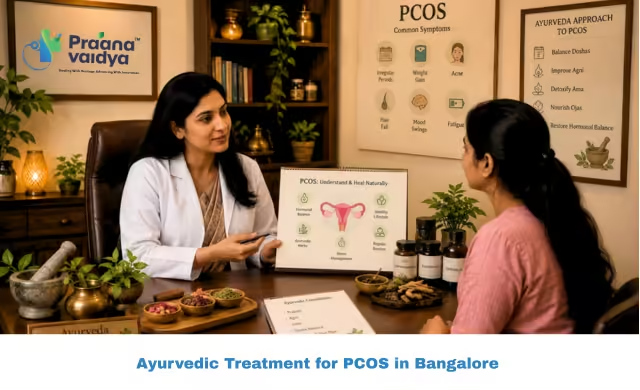
Polycystic Ovary Syndrome (PCOS) is a complex hormonal and metabolic condition affecting many women worldwide. If you are searching for pcos ayurveda treatment, this guide explains how Ayurveda approaches PCOS holistically, step by step.
Ayurveda views PCOS as a combination of hormonal imbalance, ovulatory dysfunction, and digestive/metabolic disturbances. The treatment is personalized, addressing the root cause rather than only managing symptoms. This comprehensive approach involves diet, lifestyle, medicines, herbal support, and therapies tailored to your constitution and symptoms.
Why Ayurveda for PCOS?
Ayurveda provides a natural and holistic approach to PCOS by:
- Supporting hormone balance
- Regulating ovulation and menstrual cycles
- Improving digestion and metabolism (Agni)
- Reducing stress and supporting sleep
- Balancing body weight and fat metabolism
- Using safe herbal medicines tailored to constitution
- Supporting fertility and reproductive health
Unlike conventional medicine that may focus mainly on hormone suppression or insulin regulation, pcos ayurveda treatment addresses lifestyle, diet, mind-body balance, and hormonal root causes.
Ayurvedic Understanding of PCOS (Artava Kshaya)
In Ayurveda, PCOS is related to Artava Kshaya, which refers to depletion or imbalance of reproductive tissue and ovulatory function. Factors that contribute include:
- Vata and Kapha imbalance
- Agni (digestive fire) dysfunction
- Ama (toxins) accumulation
- Stress, poor sleep, and lifestyle irregularity
- Nutritional deficiencies
- Sedentary habits and body weight imbalance
The goal of Ayurvedic PCOS treatment is to restore ovulation, normalize hormone levels, and balance digestion and metabolism.
Ayurvedic Treatment Protocol for PCOS: Step by Step
Ayurveda treats PCOS using a structured, personalised protocol:
- Initial Consultation – Detailed assessment of menstrual cycles, symptoms, lifestyle, weight, digestion, fertility goals, and prior medical history.
- Diagnosis and Type Identification – Differentiating between lean, adrenal, inflammatory, or post-pill PCOS.
- Diet and Lifestyle Planning – Meal timing, anti-inflammatory and hormone-supporting diet, exercise recommendations, stress reduction, and sleep optimization.
- Herbal Medicines – Internal remedies targeting ovulation, hormonal balance, insulin sensitivity, and digestion.
- External Therapies – Abhyanga, Swedana, or Panchakarma supportive therapies where suitable.
- Monitoring & Follow-Up – Regular tracking of cycles, ovulation, weight, metabolic markers, and symptom relief.
- Fertility Support (if applicable) – Tailored approaches for women trying to conceive.
Each step is tailored according to individual needs, body constitution (Prakriti), and PCOS type.
How Long Does Ayurvedic Treatment Take?
The duration of PCOS Ayurvedic treatment varies depending on:
- PCOS type (lean, adrenal, inflammatory, post-pill)
- Severity of symptoms
- Ovulatory irregularity
- Insulin resistance or metabolic imbalance
- Weight management needs
- Fertility goals
Generally, initial improvement may be seen in 6–8 weeks, but full benefits for cycle regularity, ovulation, weight balance, and hormonal normalization may take 3–6 months or longer with consistent follow-up.
Ayurvedic Treatment vs Allopathic Treatment for PCOS
| Aspect | Allopathic Approach | Ayurvedic Approach |
| Focus | Hormone regulation, insulin sensitizers, fertility drugs | Root cause, digestion, lifestyle, metabolism, hormone balance |
| Duration | Symptom-based, often lifelong for metabolic issues | Holistic, personalised, stepwise improvement |
| Fertility Support | Ovulation induction or IVF | Diet, lifestyle, herbal support, therapies |
| Side Effects | Possible drug side effects | Minimal when supervised, herbs tailored to constitution |
| Long-Term Balance | May not address lifestyle triggers | Emphasis on long-term hormonal and metabolic balance |
| Follow-Up | Usually periodic blood tests | Regular monitoring of cycles, ovulation, weight, and metabolic markers |
Ayurveda works best alongside medical guidance when needed. Women with insulin resistance, thyroid issues, or fertility concerns may benefit from pcos ayurveda treatment with complementary monitoring.
What to Expect: Patient Journey
- Consultation & Diagnosis – Menstrual history, ultrasound, blood tests, lifestyle assessment
- Type Identification – Lean, adrenal, inflammatory, or post-pill PCOS
- Personalised Treatment Plan – Diet, lifestyle, herbal medicines, and supportive therapies
- Monthly Monitoring – Menstrual tracking, symptom review, weight and metabolic markers
- Lifestyle & Stress Management – Yoga, pranayama, sleep optimization
- Fertility Support – For women trying to conceive, ovulation support and cycle regulation
- Long-Term Follow-Up – Prevent recurrence and maintain metabolic balance
FAQs on PCOS Types and Ayurvedic Treatment
1. How to treat PCOS in Ayurveda?
Ayurveda treats PCOS by balancing hormones, supporting ovulation, improving digestion, managing weight, using herbal medicines, diet correction, lifestyle modifications, and follow-up.
2. Can Ayurveda regularize menstrual cycles in PCOS?
Yes, with proper diagnosis, lifestyle support, herbal medicines, and monitoring, Ayurveda can support cycle regularity.
3. What herbs are used in Ayurvedic PCOS treatment?
Common herbs include Shatavari, Ashoka, Lodhra, Triphala, Guggulu, and Punarnava, tailored to the individual’s constitution.
4. How long does Ayurvedic treatment take for PCOS?
Initial improvement may appear in 6–8 weeks; full benefits typically take 3–6 months or longer depending on type, symptoms, and adherence.
5. Can Ayurvedic treatment help with PCOS-related weight gain?
Yes, Ayurvedic care includes diet planning, metabolism support, activity guidance, and herbal medicines where suitable.
6. Can Ayurveda support fertility in PCOS?
Yes. Ayurvedic treatment may improve ovulation, cycle regularity, and hormonal balance as part of fertility planning.
Praanavaidya
Healthcare Professional
Focused on patient-centric care and evidence-based treatment plans.
More from Praanavaidya