Male infertility contributes to a significant percentage of infertility cases worldwide. Factors such as stress, poor lifestyle habits, hormonal imbalances, environmental exposures, and underlying health conditions can affect sperm quality and reproductive health.
Ayurveda approaches male fertility through a holistic lens, focusing on improving overall health, balancing doshas, strengthening reproductive tissues (Shukra Dhatu), and addressing factors that may interfere with conception.
At Praanavaidya, fertility support programs may include personalized diet recommendations, herbal therapies, lifestyle modifications, and Panchakarma treatments such as Virechana, when appropriate.
What Is the Ayurvedic Treatment for Male Infertility?
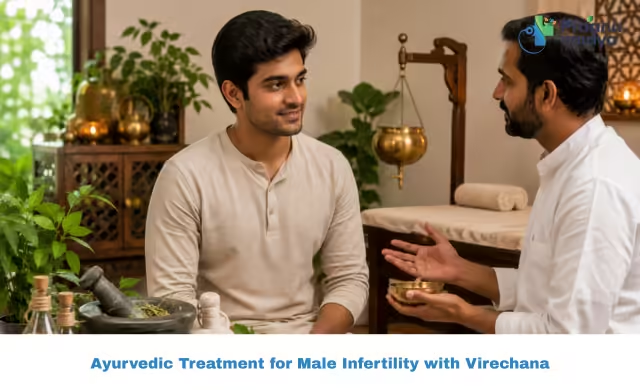
Ayurvedic treatment for male infertility aims to improve reproductive wellness by supporting digestion, balancing doshas, enhancing tissue nourishment, reducing stress, and optimizing overall health. Depending on the individual’s condition, therapies such as Virechana Panchakarma may be recommended as part of a comprehensive fertility-support plan.
Understanding Male Infertility
Male infertility may occur when there are issues affecting sperm production, sperm quality, sperm movement, or reproductive function.
Common contributing factors include:
- Low sperm count
- Reduced sperm motility
- Abnormal sperm morphology
- Hormonal imbalances
- Varicocele
- Chronic stress
- Obesity
- Smoking and alcohol consumption
- Nutritional deficiencies
Proper medical evaluation is important to identify underlying causes.
Male Infertility in Ayurveda
Ayurveda associates reproductive health with the strength and nourishment of Shukra Dhatu, the body’s reproductive tissue.
When Shukra Dhatu is weakened or inadequately nourished, reproductive function may be affected.
Several factors may contribute to imbalance:
- Poor digestion (Mandagni)
- Accumulation of Ama (metabolic toxins)
- Chronic stress
- Dosha imbalances
- Unhealthy lifestyle habits
The goal of Ayurvedic treatment is to improve overall systemic balance and support healthy tissue formation.
Conditions We Address For Male Infertility
At Praanavaidya, our Ayurvedic fertility support programs are tailored to address a variety of male reproductive health concerns that may impact fertility and overall well-being.
✓ Low Sperm Count
A reduced sperm count can lower the chances of natural conception. Ayurvedic therapies focus on supporting reproductive tissue health, digestion, and overall vitality.
✓ Poor Sperm Motility
Healthy sperm movement is essential for successful fertilization. Ayurvedic treatment aims to support circulation, metabolic balance, and reproductive wellness.
✓ Abnormal Sperm Morphology
When sperm shape and structure are affected, fertility potential may be reduced. Personalized Ayurvedic care focuses on improving overall reproductive health and tissue nourishment.
✓ Reduced Sperm Vitality
Low sperm vitality can impact reproductive outcomes. Ayurveda emphasizes strengthening Shukra Dhatu (reproductive tissue) through diet, lifestyle, and rejuvenation therapies.
✓ Erectile and Performance Concerns
Stress, fatigue, lifestyle factors, and dosha imbalances may affect sexual health. Ayurvedic approaches focus on enhancing physical stamina, mental well-being, and overall vitality.
✓ Stress-Related Fertility Issues
Chronic stress can influence hormonal balance and reproductive function. Ayurveda incorporates relaxation techniques, yoga, meditation, and personalized therapies to support emotional and physical wellness.
✓ Heat-Induced Sperm Imbalance
Excessive heat exposure from prolonged sitting, laptops, hot environments, or lifestyle factors may affect sperm health. Ayurvedic treatments focus on restoring balance and supporting reproductive function.
✓ Support After Repeated IVF Failures
For couples seeking complementary support alongside fertility treatments, Ayurveda focuses on optimizing overall health, reducing stress, and creating a balanced internal environment that supports reproductive wellness.
What Is Virechana?
Virechana is one of the primary Panchakarma therapies in Ayurveda.
It is a carefully supervised therapeutic cleansing procedure traditionally used to eliminate excess Pitta dosha and support detoxification.
Virechana is commonly indicated in Ayurvedic texts for conditions associated with:
- Pitta imbalance
- Blood-related disorders
- Metabolic disturbances
- Certain skin conditions
- Reproductive health concerns
- Artava and Shukra-related imbalances
The therapy is always performed under professional supervision after proper preparation.
How Virechana May Support Male Reproductive Health
Within Ayurvedic principles, Virechana is believed to help by:
Supporting Dosha Balance
Balancing aggravated Pitta may contribute to improved systemic health and tissue function.
Enhancing Digestive Function
Healthy digestion is considered essential for the proper formation of all bodily tissues, including Shukra Dhatu.
Assisting Natural Detoxification
Virechana is traditionally used to help remove accumulated metabolic waste (Ama) that may interfere with normal physiological functions.
Preparing the Body for Rejuvenation Therapies
Following detoxification, rejuvenative therapies and fertility-supportive treatments may be more effectively incorporated into a treatment plan.
What Happens During Virechana Therapy?
The process generally includes several stages:
1. Assessment
The Ayurvedic practitioner evaluates:
- Dosha constitution
- Digestive strength
- Medical history
- Overall health condition
2. Preparation (Purva Karma)
Preparation may involve:
- Internal oleation (Snehana)
- External oil therapies
- Mild sweating therapies (Swedana)
3. Virechana Procedure
Specially selected herbal formulations are administered to facilitate therapeutic cleansing under supervision.
4. Recovery Phase
A structured dietary protocol helps restore digestive strength and support recovery.
Other Ayurvedic Approaches to Male Fertility Support
Dietary Guidance
Nutrition plays a vital role in reproductive health.
Recommendations may include:
- Fresh, wholesome foods
- Adequate protein intake
- Seasonal fruits and vegetables
- Healthy fats
- Proper hydration
Stress Management
Chronic stress may affect hormonal balance and reproductive function.
Helpful practices include:
- Meditation
- Yoga
- Pranayama
- Mindfulness techniques
Rasayana Therapy
After detoxification, Ayurvedic rejuvenation therapies may be recommended to support vitality and reproductive wellness.
Lifestyle Optimization
Improving sleep, exercise habits, and overall health can positively influence fertility outcomes.
Benefits of a Holistic Ayurvedic Fertility Approach
An individualized Ayurvedic program may help support:
- Overall reproductive wellness
- Better digestive health
- Stress reduction
- Improved energy levels
- Dosha balance
- Long-term health optimization
Ayurveda focuses on creating a healthy internal environment that supports natural reproductive function.
Conclusion
Ayurvedic treatment for male infertility takes a comprehensive approach that extends beyond reproductive organs alone. By supporting digestion, balancing doshas, reducing stress, and strengthening overall health, Ayurveda aims to create favorable conditions for reproductive wellness.
Therapies such as Virechana Panchakarma, when recommended by qualified practitioners, may form part of a personalized fertility-support program focused on long-term health and vitality. At Praanavaidya, our goal is to help individuals achieve optimal wellness through authentic Ayurvedic care tailored to their unique needs.
Visit Us At –
Rajajinagar- 08065903133
Hubballi – 08065903145
Indiranagar- 08065903135
Mumbai-08065903118
Yelahanka- 08065903134
Mangaluru-08065903136
Chamrajpet-08065903132
Frequently Asked Questions
What is the Ayurvedic treatment for male infertility?
Ayurvedic treatment focuses on balancing doshas, improving digestion, supporting Shukra Dhatu, and optimizing overall reproductive health through personalized therapies and lifestyle modifications.
Can Virechana help with male infertility?
Virechana may be recommended as part of a broader Ayurvedic fertility-support program to help balance doshas and support overall health.
Is Panchakarma used for fertility support?
In selected cases, Panchakarma therapies may be recommended to support detoxification and prepare the body for rejuvenation therapies.
How long does Ayurvedic fertility treatment take?
The duration varies depending on individual health status, treatment goals, and underlying factors affecting fertility.
Praanavaidya
Healthcare Professional
Focused on patient-centric care and evidence-based treatment plans.
More from Praanavaidya