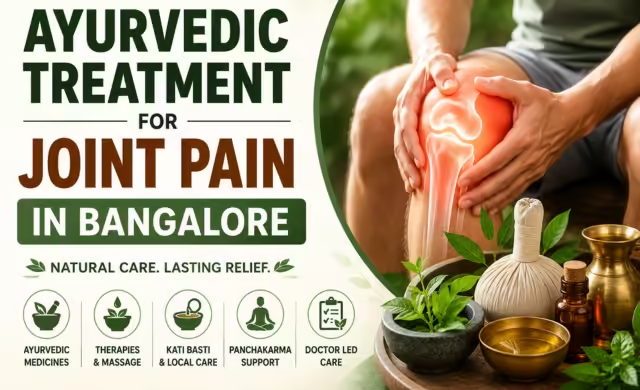
If you are looking for Ayurvedic treatment for joint pain in Bangalore, you may be dealing with knee pain, shoulder stiffness, swelling, reduced movement, arthritis-like symptoms, morning stiffness, or discomfort that affects walking, climbing stairs, sitting, working, or daily activity.
Joint pain may start mildly, but if it keeps returning or slowly worsens, it should not be ignored. Painkillers, sprays, oils, and temporary remedies may give short-term comfort, but recurring joint discomfort needs proper evaluation to understand the cause, severity, lifestyle factors, and treatment suitability.
At Praanavaidya, joint pain care begins with doctor consultation. The treatment plan may include Ayurvedic medicines, external therapies, oil applications, Panchakarma-supportive care, Personalized therapy, diet guidance, lifestyle correction, and follow-up where suitable. The goal is not to promise instant cure, but to provide structured, doctor-led Ayurvedic care based on your condition.
If you are comparing doctor-led Ayurvedic care in the city, you can also explore Praanavaidya as a best Ayurvedic hospital in Bangalore with multiple centres, qualified doctors, and condition-specific treatment programmes.
Ayurvedic View of Joint Pain and Stiffness
In Ayurveda, joint pain and stiffness are usually assessed by looking at the person as a whole. The doctor may evaluate pain location, swelling, stiffness, movement restriction, digestion, sleep, age, body weight, physical activity, food habits, previous injuries, and long-term health conditions.
Joint pain may not be the same for every patient. Some people experience stiffness in the morning and Some feel pain after walking or climbing stairs. Some have swelling around the knee or fingers. Others may feel shoulder stiffness, neck-to-shoulder discomfort, or pain that worsens during cold weather.
This is why Ayurvedic treatment for joint pain in Bangalore should begin with consultation, not direct therapy booking. Two patients may both have knee pain, but one may need local oil therapy, another may need weight and diet correction, and another may need further medical evaluation before treatment.
Common Causes of Joint Discomfort
Joint discomfort can happen for many reasons. Understanding the cause helps the doctor plan treatment more responsibly.
Common contributors may include:
- Age-related joint wear and tear
- Arthritis-like inflammatory symptoms
- Previous injury or strain
- Poor posture
- Excess body weight
- Sedentary lifestyle
- Long hours of sitting
- Repeated stair climbing or kneeling
- Vitamin or mineral deficiencies
- Muscle weakness around the joint
- Poor digestion and lifestyle imbalance
- Stress and poor sleep
- Autoimmune or inflammatory conditions
- Uncontrolled diabetes or thyroid-related concerns
- Overuse from work, sports, or repetitive movement
People with back stiffness or lower back discomfort can also read about Ayurvedic treatment for back pain in Bangalore, especially if joint pain is accompanied by spine-related symptoms.
Knee Pain, Shoulder Pain and Arthritis-Like Symptoms
Joint pain can affect different areas of the body. The treatment approach depends on the location, severity, duration, and underlying cause.
Knee Pain
Knee pain is one of the most common reasons people seek Ayurvedic care. It may affect walking, sitting, standing, climbing stairs, or getting up from the floor.
People looking for Ayurvedic treatment for knee pain in Bangalore may have symptoms such as:
- Pain while walking
- Pain while climbing stairs
- Morning stiffness
- Swelling around the knee
- Clicking or cracking sounds
- Difficulty bending the knee
- Pain after long standing
- Reduced confidence while walking
The doctor may assess whether the concern is related to age-related wear, inflammation, weight load, injury, muscle weakness, or arthritis-like symptoms.
Shoulder Pain and Stiffness
Shoulder pain may affect lifting the arm, reaching overhead, sleeping on one side, dressing, or daily work. It may be linked with stiffness, muscle tightness, injury, frozen shoulder-like symptoms, neck involvement, or repetitive strain.
Ayurvedic care may include local therapies, oil applications, internal medicines, movement guidance, and lifestyle correction where suitable.
Arthritis-Like Symptoms
Arthritis-like symptoms may include pain, swelling, stiffness, warmth, reduced movement, and recurring discomfort in one or more joints. Some patients may experience symptoms in the knees, fingers, wrists, shoulders, ankles, or spine.
If symptoms are severe, progressive, or associated with fever, sudden swelling, deformity, or intense pain, medical evaluation should not be delayed.
People searching for Ayurvedic treatment for arthritis in Bangalore should begin with diagnosis and doctor consultation rather than self-selecting medicines or massage therapies.
Therapies Used for Joint Comfort
Ayurvedic treatment for joint pain may include medicines, external therapies, Panchakarma-supportive care and lifestyle changes depending on the patient’s condition.
The exact therapy is selected only after doctor evaluation.
Internal Ayurvedic Medicines
The doctor may prescribe internal Ayurvedic medicines based on the type of pain, stiffness, swelling, digestion, age, strength, and associated health conditions.
Do not take Ayurvedic medicines randomly for joint pain. Some medicines may not be suitable for people with pregnancy, kidney or liver concerns, diabetes, blood pressure issues, or ongoing medication use.
Abhyanga
Abhyanga is a warm oil-based Ayurvedic massage. It may be used to support relaxation, body comfort, and therapy preparation. For joint pain patients, the oil and method should be selected by the doctor.
Local Oil Therapies
Local therapies may be used for specific joints such as the knee, shoulder, neck, or lower back. These therapies may involve warm medicated oils applied to the affected area for a prescribed duration.
For spine-related discomfort, local therapies may also be discussed under Ayurvedic treatment for back pain in Bangalore.
Patra Pinda Sweda
Patra Pinda Sweda is a therapy in which practitioners use herbal leaves and medicated oils in a warm bolus application. After consultation, they may consider this therapy for stiffness, muscle tightness, or selected pain patterns.
Janu Basti
Janu Basti is a local oil therapy that focuses on the knee joint. Practitioners may consider it for knee stiffness, discomfort, or arthritis-like symptoms when appropriate.
Kati Basti
Kati Basti is a local oil therapy focused on the lower back. It may be recommended when joint pain is associated with lower back stiffness or posture-related discomfort.
Panchakarma for Joint Pain
Doctors may consider Panchakarma for selected patients experiencing chronic stiffness, pain, or body imbalance. However, not every joint pain patient requires Panchakarma. A doctor should evaluate the patient’s condition and recommend this therapy only when appropriate.
If structured therapy is needed, the doctor may guide the patient toward Panchakarma treatment in Bangalore as part of a broader care plan.
Diet and Lifestyle Guidance for Joint Pain
Joint pain management is not only about medicines and therapies. Diet, weight, movement, posture, sleep, and daily routine may also influence pain and stiffness.
During consultation, the doctor may discuss:
- Body weight and load on joints
- Food habits and digestion
- Water intake
- Sleep quality
- Work posture
- Sitting and standing habits
- Exercise level
- Stair climbing or repeated kneeling
- Footwear habits
- Stress and fatigue
- Cold exposure
- Past injuries
- Long-term medication use
Depending on the patient’s condition, the doctor may advise simple changes such as improving meal timing, avoiding trigger foods, maintaining a healthy weight, doing suitable movement, avoiding overstrain, using posture support, or following a prescribed exercise routine.
For joint pain, complete rest is not always the answer. Some patients need gentle movement, while others may need temporary activity modification. The right guidance depends on the cause and severity of pain.
Avoid self-massage, heavy exercise, deep stretching, or random heat application if there is swelling, severe pain, injury, redness, or warmth around the joint.
Price, Duration and Follow-Up
The cost and duration of Ayurvedic treatment for joint pain in Bangalore depend on the type of joint pain, severity, duration, therapies selected, medicines required, number of sessions, and follow-up plan.
Some people may need only consultation, medicines, diet guidance, and simple home care. Others may need external therapies, local oil treatments, Panchakarma-supportive care, or repeated follow-up.
| Service | Duration | Best For | Price |
| Joint Pain Consultation | 20–40 minutes | First-time diagnosis and treatment planning | ₹[Add Price] |
| Ayurvedic Medicines | As prescribed | Internal support based on doctor assessment | ₹[Add Price] |
| Local Oil Therapy | 30–45 minutes | Knee, shoulder, neck, or back-focused care | ₹[Add Price] |
| Janu Basti | 30–45 minutes | Knee stiffness and knee discomfort | ₹[Add Price] |
| Abhyanga | 45–60 minutes | General body comfort and therapy support | ₹[Add Price] |
| Patra Pinda Sweda | 45–60 minutes | Stiffness and selected pain patterns | ₹[Add Price] |
| Panchakarma-Based Plan | As advised | Chronic or recurring joint concerns | ₹[Add Price] |
| Follow-Up Consultation | As advised | Review and treatment adjustment | ₹[Add Price] |
How Joint Pain Treatment Works at Praanavaidya
Step 1: Doctor Consultation
The doctor reviews your pain location, duration, stiffness, swelling, movement restriction, previous treatments, medical history, lifestyle, and current medicines.
Step 2: Assessment and Suitability Check
The doctor evaluates whether your joint pain may be due to strain, inflammation, age-related changes, lifestyle factors, arthritis-like symptoms, injury, or another cause.
Step 3: Treatment Plan
A personalised plan may include medicines, local therapies, diet changes, movement guidance, Panchakarma-supportive care, or follow-up based on your condition.
Step 4: Therapy Sessions, If Needed
If doctors recommend therapies, they plan them based on the affected joint, the severity of symptoms, the patient’s body strength, and overall comfort.
Step 5: Follow-Up and Review
Joint pain often needs monitoring. Follow-up helps the doctor assess progress, adjust medicines, modify therapies, and guide long-term care.
Why Choose Praanavaidya for Ayurvedic Joint Pain Treatment in Bangalore?
Praanavaidya provides doctor-led Ayurvedic care for joint pain, stiffness, knee discomfort, shoulder pain, and arthritis-like symptoms. Doctors follow a consultation-based and condition-specific approach rather than offering package-based treatments.
People choose Praanavaidya because of:
- Qualified Ayurvedic doctors
- Doctor-led diagnosis and treatment planning
- Condition-specific care for joint pain and stiffness
- Internal medicines and external therapies where suitable
- Panchakarma support only when appropriate
- Marma-based therapy support where suitable
- Written treatment plan before payment
- Follow-up-based care
- Multiple Bangalore centres
- Insurance support for eligible treatments
If you are searching for Ayurvedic treatment for joint pain in Bangalore, begin with a consultation and understand what type of care is suitable for your condition.
Book Ayurvedic Joint Pain Consultation in Bangalore
Joint pain should not be treated randomly with pain oils, sprays, tablets, or exercises without understanding the cause. A doctor consultation helps identify whether the concern is related to joint wear, stiffness, inflammation, lifestyle strain, injury, posture, or another health condition.
Book a consultation at Praanavaidya and get doctor-led Ayurvedic guidance for your joint pain.
Our Branches In Bangalore –
Rajajinagar- 08065903133
Indiranagar- 08065903135
Yelahanka- 08065903134
Chamrajpet-08065903132
FAQs
1. What is Ayurvedic treatment for joint pain?
Ayurvedic treatment for joint pain may include doctor consultation, internal medicines, local oil therapies, diet guidance, lifestyle correction, Panchakarma-supportive care, and follow-up. The exact plan depends on the cause and severity of pain.
2. Is Ayurvedic treatment for joint pain in Bangalore available at Praanavaidya?
Yes. Praanavaidya offers doctor-led Ayurvedic treatment for joint pain in Bangalore across its Bangalore centres, based on consultation, assessment, and personalised treatment planning.
3. Can Ayurveda help with knee pain?
Ayurvedic care may support people with knee pain, stiffness, swelling, or walking discomfort. The doctor first evaluates the cause before recommending medicines or therapies such as Janu Basti or local oil treatments.
4. Can Ayurveda help with arthritis-like symptoms?
Ayurveda may offer supportive care for arthritis-like symptoms such as stiffness, swelling, pain, and reduced movement. Medical evaluation may also be needed depending on severity and diagnosis.
5. Do I need Panchakarma for joint pain?
Not everyone with joint pain needs Panchakarma. Some patients may need medicines, local therapies, diet changes, and follow-up. Panchakarma is considered only when the doctor finds it suitable.
6. How long does Ayurvedic treatment for joint pain take?
Duration depends on the type of joint pain, severity, age, lifestyle, previous treatment history, and consistency. Chronic joint pain may need longer follow-up.
7. Is massage enough for joint pain?
Massage alone may not be enough if the pain is due to arthritis, injury, inflammation, nerve compression, or chronic joint degeneration. A doctor should evaluate the cause before therapy is selected.
Praanavaidya
Healthcare Professional
Focused on patient-centric care and evidence-based treatment plans.
More from Praanavaidya