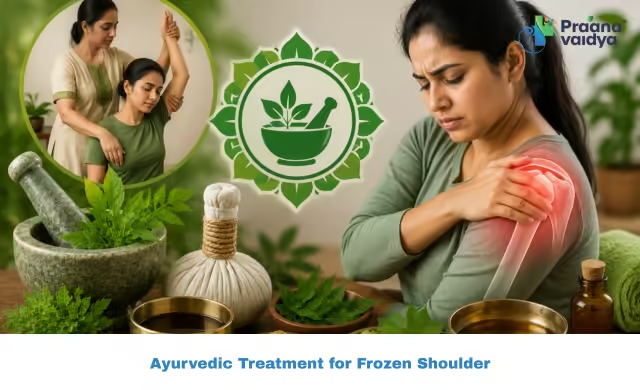
If raising your arm, combing your hair, or reaching behind your back has become painful and difficult, you may be experiencing frozen shoulder, also known as adhesive capsulitis. This condition gradually causes pain, stiffness, and restricted shoulder movement, making even simple daily activities challenging.
While conventional treatment often includes pain medications and physiotherapy, many people also explore holistic options to improve mobility and comfort. Ayurvedic treatment for frozen shoulder focuses on reducing pain, balancing aggravated doshas, improving circulation, and supporting joint function through personalized therapies.
At Praanavaidya, Ayurvedic practitioners combine therapies such as Nasya, Greeva Basti, herbal formulations, and lifestyle guidance to help manage frozen shoulder naturally.
Can Ayurveda Help the Frozen Shoulder?
Yes. Ayurvedic treatment for frozen shoulder aims to manage pain, improve joint mobility, reduce stiffness, and address underlying dosha imbalances. Depending on your condition, therapies such as Nasya, Greeva Basti, Abhyanga, Swedana, herbal medicines, and therapeutic exercises may be recommended as part of a personalized treatment plan.
What Is a Frozen Shoulder?
Frozen shoulder (adhesive capsulitis) is a condition where the connective tissue surrounding the shoulder joint becomes inflamed and stiff, leading to progressive restriction of movement.
The condition usually develops slowly and may progress through different stages over several months.
Common Symptoms of Frozen Shoulder
People with frozen shoulder often experience:
- Shoulder pain that gradually worsens
- Difficulty lifting the arm
- Pain while sleeping on the affected side
- Stiffness that limits daily activities
- Reduced range of motion
- Difficulty dressing or grooming
- Pain during overhead movements
What Causes Frozen Shoulder?
Several factors may increase the risk of developing frozen shoulder.
Diabetes
Frozen shoulder is more common in people living with diabetes.
Injury or Surgery
Keeping the shoulder immobile after injury or surgery may increase the risk.
Age
The condition is most common between the ages of 40 and 60 years.
Hormonal Changes
Hormonal changes may also influence joint health in some individuals.
Prolonged Immobilization
Lack of shoulder movement for an extended period can contribute to stiffness.
Frozen Shoulder in Ayurveda
In Ayurveda, frozen shoulder is often correlated with Avabahuka, a condition primarily associated with aggravated Vata dosha affecting the shoulder region.
Vata imbalance may lead to:
- Dryness of tissues
- Joint stiffness
- Pain
- Restricted movement
- Reduced flexibility
The Ayurvedic approach focuses on restoring balance, nourishing affected tissues, improving circulation, and supporting mobility.
Ayurvedic Treatment for Frozen Shoulder
At Praanavaidya, treatment is individualized after evaluating the patient’s constitution, symptoms, and overall health.
1. Greeva Basti
Greeva Basti is a specialized Ayurvedic therapy in which warm medicated oil is retained over the cervical (neck) region using a dough reservoir.
Although the therapy primarily targets the neck, it may also support surrounding muscles, nerves, and joints that influence shoulder movement.
Potential Benefits of Greeva Basti
- Helps reduce muscle stiffness
- Supports healthy circulation
- Nourishes muscles and soft tissues
- Promotes relaxation
- May improve neck and shoulder flexibility
2. Nasya Therapy
Nasya involves the gentle administration of medicated herbal oils through the nasal passages under professional supervision.
According to Ayurveda, the nose is the gateway to the head, and Nasya is traditionally used to support conditions affecting the head, neck, and upper body.
Potential Benefits of Nasya for Frozen Shoulder
- Supports Vata balance
- Helps reduce stiffness
- Promotes relaxation
- Supports healthy nerve function
- Complements other Ayurvedic therapies
3. Abhyanga (Herbal Oil Massage)
A warm herbal oil massage may help:
- Relax muscles
- Improve circulation
- Reduce stiffness
- Support joint mobility
Abhyanga is often combined with other therapies as part of a comprehensive treatment plan.
4. Swedana (Herbal Steam Therapy)
Swedana is commonly performed after Abhyanga.
The gentle heat helps:
- Relax muscles
- Improve flexibility
- Reduce feelings of stiffness
- Prepare tissues for movement
5. Ayurvedic Herbal Support
Depending on the individual’s condition, practitioners may recommend herbal formulations traditionally used to support:
- Joint health
- Healthy inflammatory response
- Muscle function
- Vata balance
All herbal medicines should be prescribed by a qualified Ayurvedic physician.
Conclusion
Frozen shoulders can significantly affect daily life by limiting movement and causing persistent pain. Ayurvedic treatment for frozen shoulder takes a holistic approach, focusing on improving mobility, balancing Vata dosha, and supporting joint health through therapies such as Nasya, Greeva Basti, Abhyanga, and Swedana.
At Praanavaidya, we develop personalized treatment plans that address the root causes of shoulder stiffness while promoting long-term musculoskeletal wellness through authentic Ayurvedic care.
Visit Us At –
Rajajinagar- 08065903133
Hubballi – 08065903145
Indiranagar- 08065903135
Mumbai-08065903118
Yelahanka- 08065903134
Mangaluru-08065903136
Chamrajpet-08065903132
Frequently Asked Questions
Can Ayurveda treat frozen shoulders?
Ayurveda focuses on managing frozen shoulders through personalized therapies that support mobility, reduce stiffness, and balance aggravated doshas.
What is Greeva Basti?
Greeva Basti is an Ayurvedic therapy where warm medicated oil is retained over the neck region to support muscles, joints, and surrounding tissues.
Is Nasya useful for frozen shoulders?
Nasya is traditionally used in Ayurveda to support conditions affecting the head, neck, and upper body and may be recommended as part of a comprehensive frozen shoulder treatment plan.
How long does Ayurvedic treatment for frozen shoulder take?
Treatment duration varies depending on the severity of stiffness, overall health, and individual response to therapy.
Can Ayurveda be combined with physiotherapy?
Many individuals choose Ayurvedic therapies alongside physiotherapy after discussing their treatment plan with their healthcare providers.
Praanavaidya
Healthcare Professional
Focused on patient-centric care and evidence-based treatment plans.
More from Praanavaidya