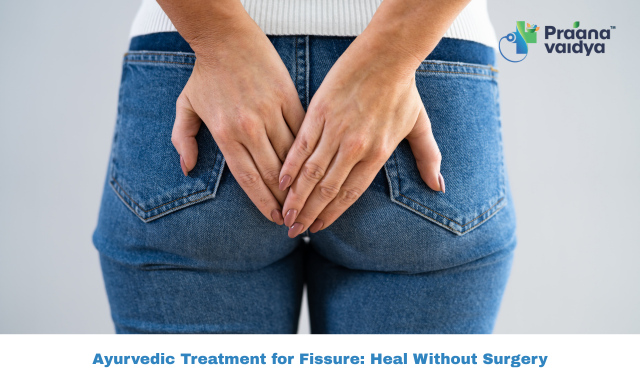
Ayurvedic treatment for fissure at Praanavaidya focuses on treating the underlying causes of the condition rather than just relieving symptoms. Many patients dealing with anal fissure are often caught in a cycle of temporary relief—using ointments, laxatives, or painkillers—only to experience the same discomfort again. When surgery is suggested, it can create anxiety due to risks and recovery concerns.
A more structured, root-cause–oriented approach can make a significant difference. This is where Ayurvedic care offers an alternative pathway.
📞 Call / WhatsApp: 08065903127 | +91 96117 73811
What Is an Anal Fissure?
An anal fissure is a small tear in the lining of the anal canal, but despite its size, it can cause intense discomfort. The most common symptoms include:
- Sharp pain during bowel movements
- Burning sensation that may last for hours
- Bright red bleeding
- Fear of passing stool due to pain
- Constipation caused by avoidance
Over time, this leads to a vicious cycle: pain causes stool withholding, which worsens constipation, leading to further tearing and delayed healing.
Ayurvedic Understanding of Fissure
In Ayurveda, anal fissure is described as Parikartika, primarily involving an imbalance of Vata and Pitta doshas in the lower digestive tract.
Key factors involved:
- Vata imbalance: Causes dryness, hard stools, and reduced elasticity of the anal tissue
- Pitta imbalance: Leads to inflammation, burning sensation, and delayed healing
- Weak digestion (Agni): Results in improper food processing and constipation
- Ama accumulation: Toxins that interfere with tissue repair and immunity
Ayurvedic treatment works by correcting all these factors simultaneously, creating an environment where natural healing can occur.
Acute vs Chronic Fissure
The stage of fissure plays a crucial role in deciding treatment:
Acute Fissure
- Recent onset (less than 6 weeks)
- Superficial tear
- Responds well to non-invasive treatment
Chronic Fissure
- Long-standing (more than 6 weeks)
- Deeper tear with inflammation
- May include muscle spasm and scar tissue
Recurrent Fissure
- Heals and returns repeatedly
- Often linked to long-term digestive imbalance
Early diagnosis improves the chances of faster and simpler recovery.
Ayurvedic Treatment Approach at Praanavaidya
At Praanavaidya, treatment is not generic. It is personalized based on your symptoms, digestion, lifestyle, and overall health.
1. Kshara Sutra (For Chronic Fissure)
This is a specialized Ayurvedic para-surgical technique used in suitable cases.
- Promotes controlled healing of the fissure
- Helps reduce infection risk
- Supports tissue regeneration
- Minimizes recurrence compared to conventional surgery
It is a minimally invasive procedure performed under expert supervision.
2. Basti Therapy (Medicated Enema)
Basti is one of the most important therapies for conditions involving Vata imbalance.
- Helps regulate bowel movement
- Softens stool naturally
- Reduces dryness in the anal canal
- Supports healing from within
By improving bowel habits, it removes one of the main causes of fissure recurrence.
3. Herbal Medicines
Herbal formulations are selected based on individual needs and may help:
- Improve digestion
- Reduce inflammation
- Promote wound healing
- Maintain soft and regular bowel movements
This internal support plays a key role in long-term recovery.
4. Sitz Bath (Avagaha Sweda)
A simple yet highly effective supportive therapy.
- Warm medicated water relaxes muscles
- Reduces pain and burning sensation
- Improves blood circulation
- Helps keep the area clean and promotes healing
Regular use can significantly reduce discomfort within a few days.
5. Local Applications
Herbal pastes and oils may be applied externally to:
- Soothe irritation
- Reduce inflammation
- Support faster tissue repair
These are used as part of a broader treatment plan, not as standalone solutions.
Diet: The Most Critical Yet Overlooked Factor
Diet plays a central role in both healing and preventing fissure.
Recommended Foods
- Warm, freshly prepared meals
- Fiber-rich foods like fruits and vegetables
- Adequate hydration (preferably warm water)
- Ghee in moderation to lubricate the intestines
- Easily digestible foods like khichdi and soups
Foods to Avoid
- Spicy, oily, and fried foods
- Processed and refined foods
- Excess dairy and bakery items
- Cold and dry foods
- Alcohol and carbonated drinks
A well-planned diet reduces strain during bowel movement and supports healing.
Lifestyle Changes That Make a Difference
Small daily habits can significantly impact recovery:
- Do not delay bowel movements
- Maintain a fixed daily routine
- Avoid excessive straining
- Include light physical activity like walking
- Reduce prolonged sitting
- Practice stress management
Consistency in these habits helps prevent recurrence.
What to Expect During Treatment
Recovery timelines vary, but generally:
- Week 1: Reduction in pain and easier bowel movements
- Week 2–3: Noticeable healing and reduced discomfort
- Week 4–8: Significant improvement in most cases
- Long-term: Stable bowel habits and reduced recurrence risk
Chronic cases may take longer but can still improve with consistent care.
Is Surgery Always Necessary?
Not always. Many fissure cases can improve with structured Ayurvedic treatment. However, in severe or non-responsive cases, surgical evaluation may be necessary.
At Praanavaidya, the focus is on recommending what is medically appropriate—not avoiding or pushing surgery unnecessarily.
Final Thoughts
Ayurvedic treatment for fissure at Praanavaidya offers a comprehensive and practical approach for those seeking long-term relief without immediately opting for surgery. By addressing digestion, bowel habits, inflammation, and tissue healing together, it creates the conditions needed for sustainable recovery.
Instead of temporary fixes, the goal is to restore balance and prevent the condition from returning—making it a more complete and thoughtful treatment path.
Rajajinagar- 08065903133
Hubballi – 08065903145
Indiranagar- 08065903135
Mumbai-08065903118
Yelahanka- 08065903134
Mangaluru-08065903136
Chamrajpet-08065903132
FAQs
1. Can fissure be cured permanently with Ayurvedic treatment?
In many cases, Ayurvedic treatment can help achieve long-term healing by addressing root causes like constipation, poor digestion, and inflammation. Consistent diet and lifestyle changes play a key role in preventing recurrence.
2. How long does Ayurvedic treatment for fissure take?
The duration depends on whether the fissure is acute or chronic. Mild cases may improve within a few weeks, while long-standing fissures may require a few months of consistent treatment and follow-up.
3. Is Ayurvedic treatment for fissure painful?
Most Ayurvedic treatments are gentle and focused on reducing pain and inflammation. Procedures like Sitz bath and herbal therapies are designed to provide relief rather than discomfort.
4. Can I avoid surgery with Ayurvedic treatment?
Many patients explore Ayurveda to avoid surgery, especially in early or moderate stages. However, the suitability depends on the severity of the condition, and a proper consultation is important.
5. Is diet important in fissure treatment?
Yes, diet is one of the most important factors. Proper food choices help soften stool, improve digestion, and reduce strain during bowel movements, which supports faster healing.
Praanavaidya
Healthcare Professional
Focused on patient-centric care and evidence-based treatment plans.
More from Praanavaidya