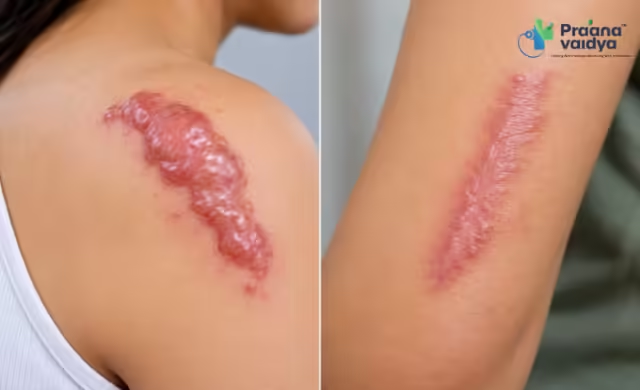
Dry, rough, and flaky skin is a common concern that can affect people of all ages. Changes in weather, stress, lifestyle habits, dehydration, and the use of harsh skincare products can reduce the skin’s natural moisture and leave it feeling tight or irritated.
While moisturisers can provide temporary comfort, many people look for ways to improve skin health naturally. An Ayurvedic treatment for dry skin focuses on understanding the underlying factors that contribute to dryness and supporting skin balance through traditional Ayurvedic principles, diet, lifestyle changes, and natural care practices.
At Praanavaidya, Ayurveda is approached with a focus on individual needs. Since every person’s skin type and body constitution are different, Ayurvedic care aims to provide personalised guidance rather than a one-size-fits-all solution.
Looking for Ayurvedic guidance for dry skin concerns?
Understanding Dry Skin and Its Causes
Dry skin occurs when the skin loses its natural moisture and protective oils. The outer layer of the skin acts as a barrier that helps retain hydration and protect against environmental stress.
When this barrier becomes weak, the skin may show signs such as:
- Rough or uneven texture
- Flaking or peeling
- Tightness after washing
- Itching or irritation
- Dull appearance
- Increased sensitivity
Dry skin can be caused by external factors like weather conditions or skincare habits, but internal factors such as diet, stress, and lifestyle may also influence skin health.
Causes of Dry Skin According to Ayurveda
Ayurveda explains skin health through the balance of three doshas: Vata, Pitta, and Kapha. These doshas represent different qualities and functions within the body.
Dryness is often associated with an imbalance in Vata dosha, which has qualities such as dryness, lightness, and roughness.
When Vata becomes aggravated, it may affect the skin’s natural nourishment and moisture balance.
Vata Imbalance and Dry Skin
An increase in Vata may contribute to:
- Dry and rough skin texture
- Loss of natural softness
- Increased sensitivity
- Fine lines and dull-looking skin
- Dryness that worsens during colder months
Common lifestyle factors that may increase Vata imbalance include:
- Irregular meal timings
- Lack of sufficient rest
- Excessive stress
- Exposure to cold and dry environments
- Insufficient hydration
- Overuse of strong skincare products
Common External Causes of Dry Skin
Apart from Ayurvedic factors, modern lifestyle and environmental conditions can also contribute to skin dryness.
Weather Conditions
Cold temperatures, dry air, and seasonal changes can reduce moisture levels in the skin. Many people experience increased dryness during winter due to reduced humidity.
Hot Water and Frequent Washing
Long hot showers and frequent cleansing may remove natural oils from the skin, making it appear dry and rough.
Harsh Skincare Products
Products containing strong chemicals, fragrances, or harsh cleansing agents may irritate sensitive skin and affect the natural skin barrier.
Stress and Poor Lifestyle Habits
Stress, lack of sleep, and unhealthy food choices may affect overall wellness, which can reflect on skin appearance.
Ayurvedic Treatment for Dry Skin: Natural Ways to Support Skin Health
An Ayurvedic treatment for dry skin focuses on restoring balance and nourishing the skin naturally. The approach may include external care, dietary support, and lifestyle practices.
1. Ayurvedic Oil Application (Abhyanga)
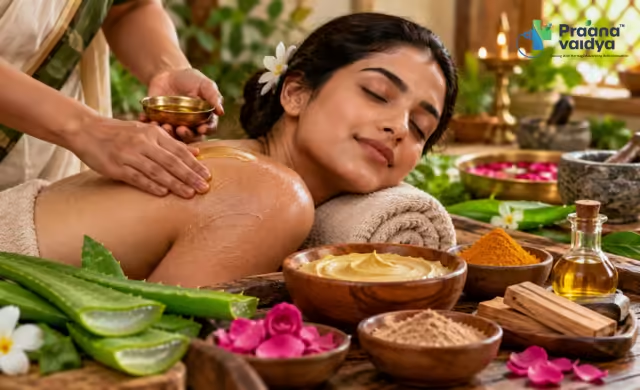
One of the traditional Ayurvedic practices for managing dryness is Abhyanga, or oil massage.
Applying suitable Ayurvedic oils can help support skin nourishment and maintain softness.
Traditionally used oils include:
- Sesame oil
- Coconut oil
- Almond oil
- Herbal-infused Ayurvedic oils
Benefits of oil application may include:
- Supporting skin moisture retention
- Improving skin softness
- Reducing the feeling of dryness
- Promoting relaxation
The choice of oil may depend on factors such as skin type, season, and individual requirements.
2. Follow a Nourishing Diet for Healthy Skin
Ayurveda considers nutrition an important part of skin wellness. The foods we consume provide essential support for maintaining healthy skin.
Foods that may support skin nourishment include:
- Fresh seasonal fruits
- Vegetables
- Nuts and seeds
- Healthy fats like ghee
- Warm, freshly prepared meals
- Adequate fluids
Maintaining regular meal timings and avoiding excessive processed foods may help support overall balance.
3. Maintain Proper Hydration
Hydration plays an important role in overall skin health. Drinking enough water and including hydrating foods can support the body’s natural functions.
However, external dryness may also depend on factors such as environment, skincare routine, and lifestyle habits.
4. Use Gentle Skincare Practices
A simple and consistent skincare routine can help protect dry skin.
Helpful practices include:
- Using mild cleansers
- Avoiding very hot water
- Applying moisturiser after bathing
- Protecting skin from harsh weather
- Avoiding excessive scrubbing
Ayurvedic skincare focuses on maintaining harmony with the body’s natural processes rather than aggressive treatments.
Ayurvedic Herbs Traditionally Used for Dry Skin Care
Ayurveda has a long history of using natural herbs to support skin wellness. Many Ayurvedic formulations include herbs known for their traditional nourishing and soothing properties.
Aloe Vera
Aloe vera is traditionally used for its cooling and hydrating qualities. It is commonly found in natural skincare preparations.
Turmeric
Turmeric has been used traditionally in Ayurveda for supporting healthy-looking skin and maintaining skin balance.
Neem
Neem is valued in Ayurveda for its traditional cleansing properties and is commonly used in skincare formulations.
Sandalwood
Sandalwood has traditionally been used for its soothing and cooling qualities in Ayurvedic practices.
Herbs should be selected based on individual skin requirements, as different skin types may respond differently to natural ingredients.
Continuing Complete SEO Blog Content
Lifestyle Tips to Support Healthy Skin Naturally
Following a healthy lifestyle can support the effectiveness of an Ayurvedic treatment for dry skin. Ayurveda believes that skin health is connected to overall balance in the body, including digestion, sleep, stress levels, and daily routines.
Prioritise Quality Sleep
Adequate sleep allows the body to support natural repair processes. Irregular sleep patterns may contribute to tired-looking and dull skin.
Helpful habits include:
- Maintaining a consistent sleep schedule
- Reducing screen time before bedtime
- Creating a relaxing nighttime routine
Manage Stress Levels
Stress can influence overall wellbeing and may affect skin appearance. Including calming practices in daily life can support better balance.
Some helpful practices include:
- Yoga
- Meditation
- Deep breathing exercises
- Spending time in nature
Follow a Consistent Skincare Routine
Dry skin often responds better to simple and regular care rather than frequently changing products.
A basic routine may include:
- Gentle cleansing
- Regular moisturising
- Protecting skin from harsh weather
- Nourishing the skin with suitable natural oils
Who Can Benefit from Ayurvedic Treatment for Dry Skin?
People experiencing different types of dryness may explore Ayurvedic skin care approaches, including:
- Seasonal dry skin during winter
- Rough or flaky skin texture
- Dryness caused by environmental factors
- Skin that feels tight after cleansing
- Loss of natural skin softness
However, persistent dryness, severe itching, redness, or sudden skin changes may require proper evaluation to understand the underlying cause.
How Praanavaidya Supports Ayurvedic Skin Wellness
Skin needs vary from person to person. Factors such as body constitution, lifestyle, food habits, environment, and daily routines can influence skin health.
At Praanavaidya, Ayurvedic principles are used to understand individual wellness needs and provide suitable guidance based on traditional approaches.
The focus is on:
- Understanding individual skin concerns
- Supporting healthy lifestyle practices
- Recommending suitable Ayurvedic care methods
- Encouraging long-term skin wellness
Connect with Praanavaidya today to learn more about personalised Ayurvedic approaches for dry skin care.
Visit Us in
Rajajinagar- 08065903133
Hubballi – 08065903145
Indiranagar- 08065903135
Mumbai-08065903118
Yelahanka- 08065903134
Mangaluru-08065903136
Jayanagar- 08065903132
Delhi-08065903140
Lucknow-08065903130
FAQ Section
What is the Ayurvedic treatment for dry skin?
An Ayurvedic treatment for dry skin focuses on improving skin nourishment through natural oils, balanced nutrition, lifestyle practices, and Ayurvedic wellness approaches. The suitable approach may vary depending on an individual’s skin type and body constitution.
Why does Ayurveda associate dry skin with Vata imbalance?
According to Ayurveda, Vata has qualities such as dryness and roughness. When Vata becomes aggravated, it may influence the skin’s natural moisture balance and contribute to dryness.
Which Ayurvedic oil is best for dry skin?
Traditionally used oils for dry skin include sesame oil, coconut oil, almond oil, and herbal-infused Ayurvedic oils. The ideal choice may depend on individual skin needs and seasonal conditions.
Can dry skin be treated naturally with Ayurveda?
Ayurveda uses natural approaches such as oil application, diet support, healthy routines, and herbal preparations to support skin wellness. Results may vary based on individual factors and consistency of care.
How can I prevent dry skin naturally?
Dry skin prevention tips include:
- Using gentle skincare products
- Staying hydrated
- Following a balanced diet
- Avoiding excessive hot water exposure
- Maintaining a regular moisturising routine
Is Ayurvedic skincare suitable for all skin types?
Ayurvedic skincare considers individual differences in skin type, lifestyle, and body constitution. Personalised guidance can help identify suitable approaches.
Does dry skin become worse in winter?
Yes, many people experience increased dryness during winter because cold temperatures and low humidity can reduce moisture levels in the skin.
Praanavaidya
Healthcare Professional
Focused on patient-centric care and evidence-based treatment plans.
More from Praanavaidya