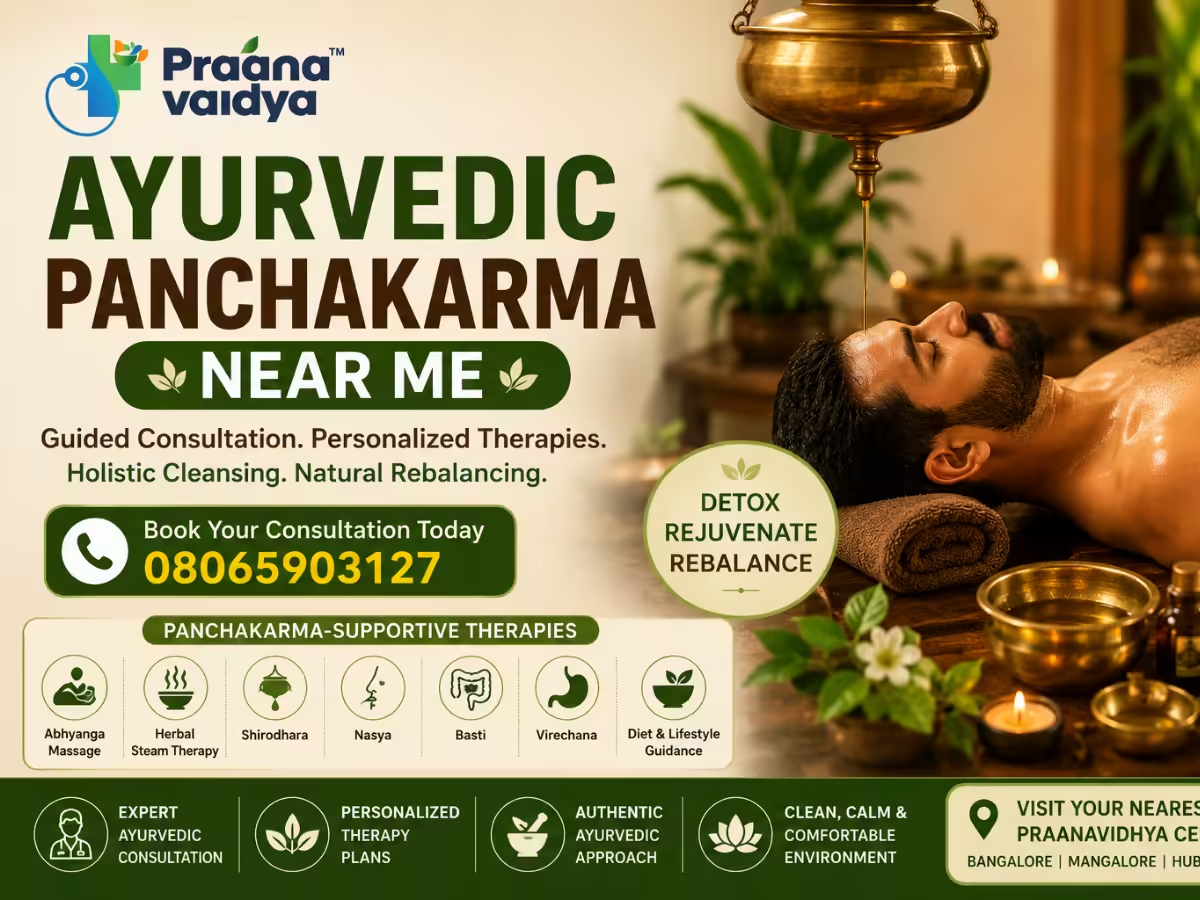
People searching for Ayurvedic Panchakarma near me are usually looking for a deeper Ayurvedic cleansing or detoxification process. Panchakarma is not just a massage. It is a structured Ayurvedic therapy approach that should be planned after consultation.
In Ayurveda, Panchakarma is traditionally understood as a set of therapies that may help prepare, cleanse and rebalance the body under professional guidance. However, it should not be taken casually or treated like a regular spa service. The right therapy, duration and preparation steps depend on the person’s body condition, comfort, medical history and suitability.
At Praanavaidya Ayurvedic, Panchakarma-related therapies are recommended only after proper consultation. This helps ensure that the therapy plan is appropriate, safe and clearly explained before you begin.
If you are looking for Ayurvedic Panchakarma near me, our team can guide you through consultation, therapy options, preparation steps and after-care instructions.
What is Panchakarma?
Panchakarma is a traditional Ayurvedic therapy approach that involves a planned set of preparatory, main and post-therapy steps. The word “Panchakarma” refers to five classical Ayurvedic procedures, but not every person needs all five therapies.
A Panchakarma plan may include preparation with oil-based therapies, sweating therapies, dietary guidance, rest and specific Ayurvedic procedures recommended by a qualified practitioner.
In simple terms, Panchakarma is different from a one-time massage because it is usually planned as a structured therapy program. The aim is to support balance, relaxation, internal cleansing as understood in Ayurveda, and better routine alignment.
A Panchakarma plan may include:
- Initial Ayurvedic consultation
- Body assessment and suitability check
- Selection of appropriate therapies
- Oil-based preparation therapies
- Steam or sweating support where suitable
- Diet and lifestyle instructions
- Rest and recovery guidance
- Follow-up recommendations
For users new to Ayurveda, it is better to first understand general Ayurvedic massage near me services before choosing a deeper therapy like Panchakarma.
Why Consultation is Important Before Panchakarma
Consultation is important because Panchakarma is not suitable for everyone in the same way. The therapy plan depends on multiple factors, including age, strength, body condition, digestion, sleep, existing medical concerns and current medication use.
A guided Ayurvedic Panchakarma consultation helps the practitioner decide whether Panchakarma is suitable, which therapies may be appropriate and how long the program should be.
During consultation, you may be asked about:
- Your current concerns
- Past medical history
- Current medications
- Digestion and appetite
- Sleep pattern
- Energy levels
- Skin sensitivity or allergies
- Previous surgeries or major illnesses
- Pregnancy or postnatal status, if applicable
- Comfort with oil massage, steam or internal therapies
This step is necessary because Panchakarma is more involved than a regular massage. Some people may only need simple oil massage or relaxation therapy, while others may be advised a structured Panchakarma-supportive plan.
A consultation also helps avoid unnecessary therapy. Not everyone searching for Panchakarma treatment near me needs a full Panchakarma program.
Common Panchakarma-Supportive Therapies
Panchakarma may include different therapies depending on the person’s suitability and the practitioner’s recommendation. Some therapies are preparatory, while others are part of the main Panchakarma process.
Below are common Panchakarma-supportive therapies explained in simple language.
1. Abhyanga
Abhyanga is a traditional full-body Ayurvedic oil massage. Warm herbal oil is applied using rhythmic strokes to support relaxation and prepare the body for further therapies where appropriate.
If you want to understand the cost of this therapy, visit our Abhyanga massage price page.
2. Swedana or Herbal Steam Therapy
Swedana is a sweating therapy that may be suggested after oil application. It uses controlled steam or warmth to support relaxation and comfort. Steam is not suitable for everyone, so it should only be used after checking suitability.
3. Shirodhara
Shirodhara involves a steady stream of warm oil poured gently over the forehead. It is commonly chosen for relaxation and calming support. It may be suggested as part of an Ayurvedic therapy plan, depending on the person’s needs.
4. Nasya
Nasya is an Ayurvedic nasal therapy where medicated oil or herbal preparation may be administered through the nostrils under professional guidance. It should not be done without proper assessment.
5. Basti
Basti is a classical Panchakarma procedure involving medicated preparations administered through the rectal route. It must be done only under qualified Ayurvedic supervision and after proper consultation.
6. Virechana
Virechana is a guided purgation procedure in Ayurveda. It requires preparation, professional monitoring and after-care. It should never be attempted without a practitioner’s advice.
7. Vamana
Vamana is a therapeutic emesis procedure mentioned in classical Ayurveda. It is not suitable for everyone and requires strict professional supervision.
8. Raktamokshana
Raktamokshana is a classical bloodletting-related therapy in Ayurveda. It is highly specific and should only be considered where appropriate under qualified professional guidance.
Not every centre offers all Panchakarma therapies, and not every person needs them. The right approach should be decided after consultation.
For people looking for a simpler warm oil-based therapy, Ayurvedic oil massage may be a more suitable starting point.
Who Usually Searches for Ayurvedic Panchakarma Near Me?
People often search for Ayurvedic Panchakarma near me when they want a more structured Ayurvedic therapy plan rather than a single massage session.
This page may be useful for people who are looking for:
- A guided Ayurvedic consultation
- A traditional therapy plan
- Oil-based preparation therapies
- Panchakarma-supportive care
- A centre that explains suitability clearly
- Professional guidance before starting therapy
- A calm place for Ayurvedic relaxation and recovery
However, Panchakarma should not be selected only because it is popular. The therapy should be chosen based on individual suitability, practitioner guidance and realistic expectations.
Who May Need Extra Caution?
Panchakarma may not be suitable for everyone. Some people may need extra caution, modified therapy or medical clearance before beginning.
You should speak to a qualified practitioner before considering Panchakarma if you have:
- Fever or active infection
- Severe weakness or fatigue
- Recent surgery
- Pregnancy or postnatal concerns
- Severe dehydration
- Uncontrolled blood pressure
- Heart-related concerns
- Kidney or liver-related conditions
- Severe digestive disturbance
- Active skin infection
- Open wounds
- Severe pain or unexplained symptoms
- Ongoing prescription medication use
- Diabetes-related complications
- Elderly age with weakness
- Child or adolescent age group
Panchakarma should not be self-selected based only on online information. It needs proper assessment and careful planning.
If your goal is only relaxation or body comfort, a regular Ayurvedic massage near me service may be more appropriate than a full Panchakarma program.
Difference Between Massage and Panchakarma
Ayurvedic massage and Panchakarma are related, but they are not the same.
A massage is usually a single therapy session focused on relaxation, body comfort and oil application. Panchakarma is a structured Ayurvedic process that may include consultation, preparation, multiple therapies, dietary guidance and after-care.
Here is a simple comparison:
| Feature | Ayurvedic Massage | Panchakarma |
|---|---|---|
| Main Purpose | Relaxation and body comfort | Structured Ayurvedic cleansing and therapy planning |
| Duration | Usually one session | May require multiple sessions or days |
| Consultation | Helpful but not always detailed | Strongly recommended before starting |
| Therapies Included | Oil massage, foot massage, head massage | May include Abhyanga, steam, Nasya, Basti, Virechana or other therapies |
| Suitability Check | Basic comfort check | Detailed assessment needed |
| After-Care | Simple rest or bath guidance | Diet, rest and follow-up guidance may be needed |
| Best For | General relaxation | People advised a deeper Ayurvedic therapy plan |
If you are unsure, start with consultation. The practitioner may suggest Panchakarma, Abhyanga, oil massage or another therapy based on your needs.
Panchakarma Massage vs Abhyanga Massage
Many people use the term “Panchakarma massage,” but it is important to understand the difference.
Panchakarma is not one massage. It is a broader Ayurvedic therapy process. Abhyanga, which is a full-body oil massage, may be used as one part of Panchakarma preparation or as a standalone therapy.
Abhyanga Massage
Abhyanga is usually a warm oil full-body massage. It can be taken for relaxation and traditional Ayurvedic body care.
Panchakarma
Panchakarma may involve multiple steps, selected therapies and follow-up guidance. It should be planned after consultation.
If you are comparing both, review Abhyanga massage price first and then speak to the centre about whether Panchakarma is necessary for your case.
Panchakarma Price and Duration
The price of Panchakarma can vary widely because it depends on consultation, therapy type, number of sessions, duration, oils used, practitioner involvement and whether additional therapies are included.
Common Panchakarma-related pricing factors include:
- Consultation fee
- Type of therapy recommended
- Number of therapy days
- Herbal oil or preparation used
- Steam or add-on therapies
- Practitioner supervision
- Follow-up sessions
- Room and facility setup
A single oil massage may be completed in one session, but Panchakarma may require multiple visits. Some people may be advised a short therapy plan, while others may need a longer structured program.
| Service Type | Duration | Best For | What’s Included | Price |
|---|---|---|---|---|
| Panchakarma Consultation | 20–40 minutes | First-time assessment | Suitability check and therapy planning | ₹[Add Price] |
| Abhyanga Preparation Therapy | 45–60 minutes | Oil-based preparation | Full-body warm oil massage | ₹[Add Price] |
| Abhyanga with Steam | 60–90 minutes | People suitable for steam | Oil massage with controlled steam | ₹[Add Price] |
| Shirodhara Session | 30–60 minutes | Relaxation-focused therapy | Guided oil flow therapy | ₹[Add Price] |
| Panchakarma Program | As advised | Structured therapy plan | Consultation, therapies and follow-up guidance | ₹[Add Price] |
How to Prepare for Panchakarma Consultation
Before your consultation, it is useful to prepare basic details so the practitioner can guide you properly.
You may bring or note:
- Current concerns
- Medical history
- Current medications
- Known allergies
- Recent blood reports, if relevant
- Details of previous surgeries
- Current diet and sleep pattern
- Any previous Ayurvedic therapy experience
- Whether you are comfortable with oil massage or steam
Do not hide important medical information. Panchakarma planning depends on suitability and safety.
Why Choose Praanavaidya for Ayurvedic Panchakarma?
At Praanavaidya, Panchakarma-related therapies are approached with care, consultation and clear guidance. We do not treat Panchakarma as a generic massage package. Each plan is discussed based on the person’s comfort, suitability and wellness goals.
People choose Praanavaidya because we offer:
- Guided Ayurvedic consultation
- Clear explanation of therapy options
- Panchakarma-supportive therapies
- Warm herbal oil-based treatments
- Trained therapists
- Clean and private therapy rooms
- Suitability checks before therapy
- Practical after-care guidance
- Transparent package discussion
If you are searching for Ayurvedic Panchakarma near me, our team can help you understand whether Panchakarma, Abhyanga or a simpler massage therapy is more suitable for you.
Book Ayurvedic Panchakarma Consultation Near You
Panchakarma should begin with the right guidance. A consultation helps you understand whether you need a full Panchakarma plan, a preparation therapy, a simple oil massage or another Ayurvedic service.
Book your Panchakarma consultation at Praanavaidya and get a responsible therapy plan based on your suitability.
FAQs
1. What is Panchakarma in Ayurveda?
Panchakarma is a traditional Ayurvedic therapy approach that may include preparation, selected therapies and after-care guidance. It is usually planned after consultation and should not be treated like a regular massage.
2. Is Panchakarma the same as Ayurvedic massage?
No. Ayurvedic massage is usually a single oil-based therapy, while Panchakarma is a structured process that may include massage, steam, internal therapies, diet guidance and follow-up care.
3. Do I need consultation before Panchakarma?
Yes, consultation is strongly recommended before Panchakarma. It helps the practitioner check your suitability, current concerns, medical history and therapy requirements.
4. How long does Panchakarma take?
The duration depends on the therapy plan. Some people may need a few sessions, while others may be advised a longer program. The exact duration should be decided after consultation.
5. Is steam included in Panchakarma?
Steam may be included in some Panchakarma-supportive therapies, but it is not suitable for everyone. The practitioner will decide based on your condition and comfort.
6. Can Panchakarma help with weight loss?
Panchakarma should not be promoted as guaranteed weight loss treatment. It may be part of a broader Ayurvedic wellness plan, but results vary and depend on diet, lifestyle, body condition and professional guidance.
7. Is Panchakarma safe for everyone?
No. Panchakarma may not be suitable for people with fever, severe weakness, pregnancy-related concerns, recent surgery, uncontrolled medical conditions or certain medical risks. Always consult a qualified practitioner first.
8. What should I ask before booking Panchakarma?
Ask about consultation, therapy duration, therapies included, preparation steps, after-care, pricing, therapist qualification and whether the plan is suitable for your condition.
Praanavaidya
Healthcare Professional
Focused on patient-centric care and evidence-based treatment plans.
More from Praanavaidya