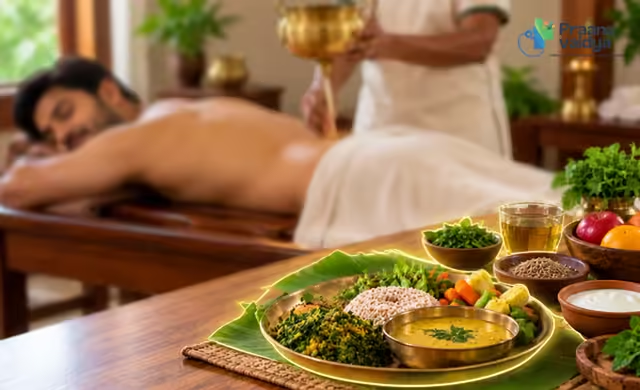
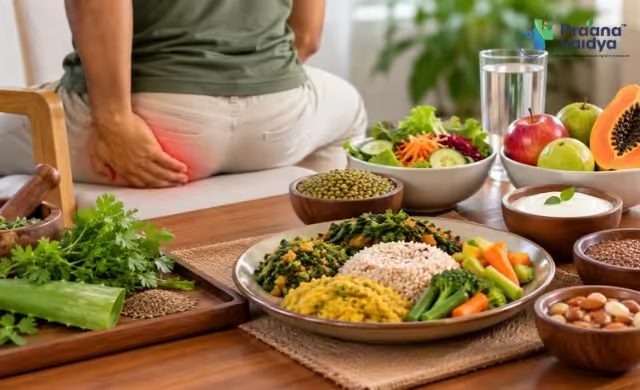
A diet plan for piles does not have to be complicated. If you are searching for an Ayurvedic diet for piles, the practical focus is usually on simple, freshly prepared meals, comfortable meal timing, adequate fluids, and foods that fit your digestion and everyday routine.
At Praanavaidya, dietary discussions can be personalised rather than treated as a one-size-fits-all food list.
Looking for personalized Ayurvedic guidance?
What Does an Ayurvedic Diet for Piles Focus On?
Ayurveda approaches food through ideas such as pathya and apathya — foods and habits that may be considered suitable or unsuitable for an individual routine. The approach is not simply about finding one “piles food” that everyone should eat.
For everyday eating, an Ayurveda-oriented plan may give attention to:
- Freshly prepared meals
- Comfortable portion sizes
- Regular meal timings
- Adequate fluids
- Cooked vegetables and familiar grains
- Individual food tolerance
- Limiting very oily, fried or heavily processed foods
Food choices can be adjusted according to preferences, routine and dietary guidance given during a consultation.
Foods to Include in a Piles-Friendly Ayurvedic Diet
There is no need to create an elaborate menu. A simple home-cooked plate can include a grain, vegetables, dal and a suitable fluid.
Freshly Cooked Meals
Freshly prepared meals are often a practical starting point for an Ayurveda-inspired food routine. Simple dishes such as rice with dal, khichdi, vegetable preparations, soups and lightly cooked meals can fit easily into daily routines.
Choose meals that feel comfortable for you rather than following a rigid food list.
Vegetables
Include a variety of vegetables in everyday meals. Depending on personal preference, options can include:
- Carrots
- Beans
- Pumpkin
- Bottle gourd
- Ridge gourd
- Spinach and other leafy vegetables
- Beetroot
- Cooked seasonal vegetables
Fruits
Fresh fruit can be included as part of a balanced diet. Common choices include papaya, pear, apple, guava, orange and other seasonal fruits.
Rather than relying on fruit juices, whole fruit can be a simpler everyday option.
Whole Grains and Familiar Staples
An Ayurvedic diet for piles does not require giving up familiar Indian staples. Depending on your usual diet, you may include:
- Oats
- Brown rice
- Hand-pounded or less-refined rice
- Whole wheat preparations
- Millets, when they suit you
- Other traditional grains used in your region
Dal and Other Simple Protein Sources
Dal, moong dal and other suitable pulses can be included according to individual tolerance. If certain pulses feel heavy or uncomfortable, portion size and preparation can be adjusted.
Fluids
Keep water available through the day and make hydration a regular habit rather than trying to drink large amounts at once.
Foods to Limit or Avoid
“Foods to avoid for piles” is a common search query, but there is no universal avoidance list that suits every person. Instead of removing many foods at once, look at the overall quality of your diet and your individual tolerance.
Very Spicy or Chilli-Heavy Foods
If you notice that very spicy meals do not suit you, consider reducing chilli-heavy curries, very spicy pickles and heavily seasoned dishes.
This does not mean every person needs to completely avoid spices. Ayurvedic cooking may use spices such as cumin, coriander, fennel and ginger, with the amount adjusted to individual preference.
Fried and Very Oily Foods
Limit frequent reliance on deep-fried snacks and very oily meals. Examples include:
- Pakoras
- Pooris
- Fried chips
- Samosas
- Very oily gravies
Highly Processed Foods
Packaged snacks, instant meals, sugary bakery products and heavily processed foods can easily become regular parts of a busy routine. Consider replacing some of these choices with simpler home-prepared meals.
Large or Irregular Meals
Eating very large meals after long gaps may not fit comfortably into everyone’s routine. A more consistent meal schedule can make it easier to plan balanced meals throughout the day.
Alcohol or Excessive Caffeine
If alcohol or large amounts of caffeinated drinks are part of your routine, discuss your intake with an Ayurvedic practitioner when planning your diet.
A Simple Ayurvedic Piles Diet Plan for a Day
A practical daily plan can be kept simple.
Morning
Start the day with your usual suitable fluid. Breakfast could include oats, a simple vegetable preparation with a grain, or another familiar home-cooked option.
Mid-Morning
Choose a seasonal whole fruit if it fits your routine.
Lunch
A balanced lunch could include rice or another grain, dal, cooked vegetables and a suitable side. Keep the preparation simple if heavily spiced or oily food does not suit you.
Evening
Choose a light snack such as fruit or another simple home-prepared option instead of relying regularly on fried or packaged snacks.
Dinner
Keep dinner simple and choose a portion that feels comfortable. Khichdi, rice with dal and vegetables, or a light soup-based meal can be practical options.
This is an example, not a fixed prescription. An individual plan can be adjusted according to food preferences, routine and practitioner guidance.
Want to discuss your food routine with an Ayurvedic practitioner? Contact Praanavaidya to learn more about personalised dietary guidance.
Ayurvedic Food Habits That Can Make Meal Planning Easier
Food choice is only one part of an everyday eating routine. Small habits can make a diet easier to follow.
- Eat meals at reasonably consistent times.
- Prefer freshly prepared food when practical.
- Chew food comfortably rather than rushing meals.
- Keep portions moderate.
- Drink fluids regularly through the day.
- Notice which foods feel comfortable and which do not.
- Avoid making several restrictive diet changes at the same time.
- Keep a simple food diary if you are trying to understand your personal food pattern.
What About Fibre in an Ayurvedic Diet for Piles?
“High fibre foods for piles” is a closely related search query. Fibre-rich foods are commonly discussed when planning a balanced diet, but the right amount and food sources can differ from person to person.
Instead of focusing only on a fibre number, build meals around naturally occurring plant foods such as vegetables, fruits, whole grains and suitable pulses. Increase variety gradually and pay attention to how your body responds.
If you are already following a specific diet or have other dietary requirements, avoid making major changes without appropriate professional guidance.
When Should You Consider Personalised Dietary Guidance?
Online diet lists can be useful for general ideas, but they cannot account for everyone’s food preferences, routine and individual circumstances.
If you are looking for an Ayurvedic diet for piles and want help creating a food routine that fits your needs, consider discussing your diet with a qualified Ayurvedic practitioner. At Praanavaidya, you can ask about food choices, meal routines and how dietary guidance can fit into your broader Ayurvedic care plan.
Conclusion
An Ayurvedic diet for piles does not have to mean a long list of foods to avoid. A practical approach is to build simple meals around fresh ingredients, vegetables, fruits, suitable grains and pulses, regular hydration and consistent eating habits.
Instead of following a rigid “piles diet chart”, focus on a routine that you can realistically maintain. There is no need to depend on one special food or juice. If a particular food does not suit you, adjust it rather than eliminating entire food groups without a reason.
For personalised dietary guidance, Praanavaidya can help you discuss your food habits and create an approach suited to your routine. Consultations are available across Praanavaidya locations in
Rajajinagar- 08065903133
Hubballi – 08065903145
Indiranagar- 08065903135
Mumbai-08065903118
Yelahanka- 08065903134
Mangaluru-08065903136
Jayanagar- 08065903132
Delhi-08065903140
Lucknow-08065903130
FAQ: Ayurvedic Diet for Piles
What foods can I eat when I have piles?
Common options include freshly prepared vegetables, seasonal fruits, suitable grains, dal and simple home-cooked meals.
Which foods should I avoid for piles?
There is no universal list. You may choose to limit frequent fried, very oily, heavily processed or excessively spicy foods, depending on personal tolerance.
Are high-fibre foods suitable for a piles diet?
High-fibre foods are commonly included in balanced diet planning. Vegetables, fruits, whole grains and suitable pulses are practical food-based options.
Can I eat spicy food if I have piles?
There is no universal rule that every spice must be avoided. If very spicy meals do not suit you, consider reducing them.
Is there a fixed piles diet chart?
A sample chart can offer ideas, but a fixed diet may not suit everyone. Preferences, routine and individual circumstances can be considered when planning meals.
Can Praanavaidya help with an Ayurvedic diet plan for piles?
You can discuss your food habits, routine and dietary preferences during a Praanavaidya Ayurvedic consultation.
Praanavaidya
Healthcare Professional
Focused on patient-centric care and evidence-based treatment plans.
More from Praanavaidya