
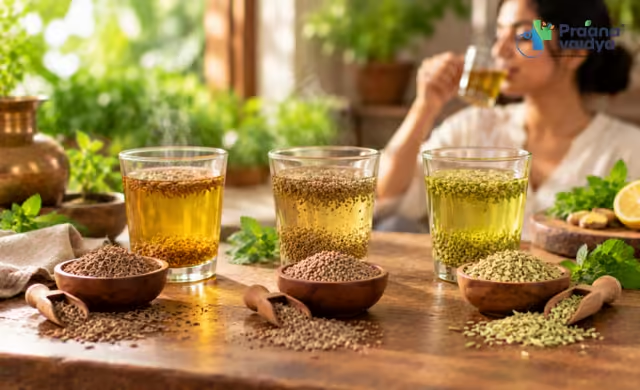
A warm cup of cumin, ajwain or fennel water is a simple morning or after-meal ritual in many Indian households. These familiar kitchen spices are also widely used in Ayurveda, particularly in traditional approaches to digestion and dietary balance.
But which one should you choose? Is cumin water better for digestion? Can ajwain water help after a heavy meal? Is fennel water a gentler option?
The answer is that there is no single “best” Ayurvedic detox water for everyone. Each spice has a different taste, traditional use and level of intensity. Also, the word “detox” can be misleading. Your liver and kidneys already perform important processes that help the body handle and eliminate waste. A spice-infused drink should not be considered a substitute for these natural processes or for medical treatment.
In this guide, Praanavaidya explains the traditional Ayurvedic use of cumin, ajwain and fennel water, how they differ, how to prepare them and what to consider before making them part of your daily routine.
Want guidance that considers your digestion, lifestyle and overall health rather than following a one-size-fits-all routine?
What Is Ayurvedic Detox Water?
“Ayurvedic detox water” is not a single standard Ayurvedic preparation. The term is commonly used today for water infused or prepared with herbs and spices traditionally associated with digestion and daily wellness.
Cumin, ajwain and fennel are particularly popular because they are readily available and commonly used in Indian cooking.
From an Ayurvedic perspective, dietary choices may be considered in relation to factors such as digestion, constitution, season and individual symptoms. That is different from claiming that a particular drink removes toxins or cures a health condition.
Modern evidence also does not establish that drinking a particular spice water “detoxes” the body. It is more useful to think of these drinks as simple dietary habits that may complement an overall healthy lifestyle.
Cumin Water: A Familiar Choice for Digestive Support
Cumin, also known as jeera, is one of the most commonly used spices in Indian kitchens. Cumin water is traditionally prepared by soaking or gently boiling cumin seeds in water.
What is cumin water traditionally used for?
In traditional Ayurvedic practice, cumin is associated with digestive support and is commonly included in food and beverages after meals.
People often choose cumin water when they want:
- A simple warm drink after eating
- A mild spice-based digestive routine
- A familiar daily Ayurvedic beverage
- An alternative to sugary drinks
However, cumin water should not be presented as a proven treatment for indigestion, acidity, constipation or weight gain. If digestive symptoms are frequent or persistent, identifying the underlying cause is more important than relying on a home drink.
How to prepare cumin water
Add approximately ½ to 1 teaspoon of cumin seeds to a cup or two of water. Simmer briefly, allow it to cool to a comfortable temperature and strain before drinking.
There is no need to make it extremely concentrated.
Ajwain Water: A More Pungent Option
Ajwain, or carom seeds, has a distinctive sharp and aromatic flavour. It is traditionally used in Indian cooking and Ayurvedic dietary practices, particularly in preparations associated with digestion.
What is ajwain water traditionally used for?
Ajwain water is often chosen after heavy or rich meals because of its strong, warming taste.
It may be considered when someone wants:
- A stronger spice infusion
- A traditional post-meal drink
- A simple way to include ajwain in the diet
However, stronger does not automatically mean better.
Ajwain has a more intense flavour than cumin or fennel, and some people may find concentrated preparations uncomfortable. People with recurring acidity, reflux or other digestive symptoms should avoid assuming that a stronger spice drink will solve the problem.
How to prepare ajwain water
Use a small amount of ajwain, such as ¼ to ½ teaspoon, in a cup or two of water. Simmer briefly and strain.
Start with a mild preparation rather than making the drink highly concentrated.
Fennel Water: A Gentler-Tasting Choice
Fennel, commonly called saunf, has a naturally sweet, aromatic flavour and is often consumed after meals in India.
Fennel water is generally appealing to people who prefer a milder taste compared with ajwain.
What is fennel water traditionally used for?
Fennel has a long history of culinary and traditional use. Fennel seeds are commonly chewed after meals, and fennel-infused water is another way people consume the spice.
It may suit someone looking for:
- A mild, aromatic drink
- A traditional after-meal beverage
- A less pungent alternative to ajwain
- A simple addition to a balanced daily routine
As with cumin and ajwain, fennel water should not be promoted as a guaranteed solution for bloating, weight loss or other medical problems.
Cumin vs Ajwain vs Fennel: Which One Should You Choose?
Rather than asking which spice is universally “best”, consider taste, tolerance and the reason you want to include it in your routine.
| Spice | Traditional profile | Taste | May suit people who prefer |
| Cumin | Commonly associated with digestion | Warm, earthy | A balanced everyday option |
| Ajwain | Traditionally used in digestive preparations | Strong, pungent | A stronger spice flavour |
| Fennel | Commonly consumed after meals | Mild, sweet, aromatic | A gentler-tasting option |
This comparison does not mean one spice is medically superior to another. Individual tolerance matters.
If you are new to these drinks, using one ingredient at a time can also make it easier to understand how your body responds.
Should You Drink Detox Water Every Morning?
Not necessarily.
There is no established medical requirement to drink cumin, ajwain or fennel water every morning. A warm spice-infused drink can be part of a routine, but it should not replace adequate water intake, nutritious meals, sleep, physical activity or appropriate medical care.
A healthier approach is to focus on the overall pattern of your lifestyle rather than expecting one drink to produce a “detox”.
For example, a balanced routine may include:
- Adequate plain water throughout the day
- Fibre-rich foods
- Fruits and vegetables
- Appropriate physical activity
- Regular sleep
- Moderate intake of highly processed foods
- Mindful eating
- Medical evaluation when symptoms persist
Can You Mix Cumin, Ajwain and Fennel Together?
You can find recipes that combine cumin, ajwain and fennel, but combining several ingredients is not automatically more beneficial.
A multi-spice drink can also be stronger in flavour and may not suit everyone.
For everyday use, a simpler preparation can be easier to tolerate. If you have a particular digestive concern, an Ayurvedic practitioner can assess your broader dietary pattern and health history instead of recommending ingredients based only on a general internet list.
Looking for Ayurvedic guidance for digestion, diet or lifestyle? Speak with the Praanavaidya doctors to understand which approach may be appropriate for your individual needs.
Important Precautions Before Drinking Spice Water Regularly
Kitchen spices used in normal food quantities are different from concentrated herbal preparations.
Take extra care if you:
- Are pregnant or breastfeeding
- Have a diagnosed digestive condition
- Experience frequent acidity or reflux
- Have kidney or liver problems
- Take regular prescription medicines
- Have known food or spice allergies
- Are considering highly concentrated preparations or supplements
If you experience persistent abdominal pain, vomiting, unexplained weight loss, blood in the stool, difficulty swallowing or ongoing changes in bowel habits, do not rely on detox water. Seek appropriate medical evaluation.
Ayurvedic care should also be individualised rather than based on a single ingredient or viral wellness trend. Praanavaidya’s broader Ayurvedic approach considers factors such as constitution, digestion, lifestyle and health history when providing wellness guidance.
The Bottom Line: Cumin, Ajwain or Fennel?
Cumin, ajwain and fennel can all be part of traditional dietary practices, but there is no universally correct choice.
Choose cumin if you prefer a familiar, earthy spice and a simple everyday preparation.
Choose ajwain if you prefer a stronger, more pungent flavour and tolerate it comfortably.
Choose fennel if you prefer a mild, naturally aromatic drink, particularly as an after-meal option.
Most importantly, do not expect any of these drinks to “flush out toxins”, directly burn fat or replace treatment for a medical condition.
The most useful Ayurvedic routine is one that considers the whole person rather than relying on one drink.
Want to explore Ayurvedic wellness and personalised lifestyle guidance? Connect with Praanavaidya to learn more about Ayurvedic care suited to your individual needs.
Visit Us in
Rajajinagar- 08065903133
Hubballi – 08065903145
Indiranagar- 08065903135
Mumbai-08065903118
Yelahanka- 08065903134
Mangaluru-08065903136
Jayanagar- 08065903132
Delhi-08065903140
Lucknow-08065903130
FAQs
Is Ayurvedic detox water good for digestion?
Cumin, ajwain and fennel are traditionally used in Indian and Ayurvedic dietary practices associated with digestion. However, evidence does not establish that any one of these drinks can treat digestive disorders. Persistent symptoms should be assessed by a healthcare professional.
Which is better, cumin water or ajwain water?
Neither is universally better. Cumin has a milder, earthy flavour, while ajwain has a stronger and more pungent taste. Individual tolerance and the reason for drinking the preparation matter more than choosing a universally “best” option.
Is fennel water good to drink after meals?
Fennel seeds are traditionally consumed after meals in many Indian households. Fennel water can be a mild, aromatic beverage, but it should not be considered a guaranteed treatment for bloating, acidity or indigestion.
Can I drink cumin, ajwain and fennel water every day?
There is no general medical requirement to drink these preparations every day. If you choose to include one in your routine, a mild preparation is generally more appropriate than a highly concentrated drink. People with medical conditions or those taking regular medicines should seek professional advice.
Does Ayurvedic detox water remove toxins from the body?
The term “detox water” is largely a wellness term rather than a specific medical treatment. The body already has organs, including the liver and kidneys, that perform important processes involved in handling and eliminating waste. There is not sufficient evidence that a particular spice water can “flush out toxins”.
Which water is best for bloating: cumin, ajwain or fennel?
There is no scientifically established winner. All three have traditional uses, but recurring bloating can have many causes, including dietary factors and gastrointestinal conditions. Persistent or severe bloating deserves proper evaluation rather than relying only on a home drink.
Can I drink ajwain water if I have acidity?
Ajwain is a pungent spice, and individual tolerance can vary. If you have frequent acidity or reflux, it is better not to assume that ajwain water will help. Discuss recurring symptoms with a qualified healthcare professional.
Does cumin, ajwain or fennel water help with weight loss?
There is no good basis for claiming that these drinks directly cause meaningful weight loss. Weight management depends on overall dietary intake, physical activity, sleep, health factors and long-term habits. A spice-infused drink should not be promoted as a weight-loss treatment.
Praanavaidya
Healthcare Professional
Focused on patient-centric care and evidence-based treatment plans.
More from Praanavaidya