Cinnamon is more than a familiar kitchen spice. Known as Dalchini in traditional Indian systems of medicine, cinnamon has been used for generations in food, beverages, and traditional herbal preparations.
Its warm aroma and distinctive flavour make it a common ingredient in Indian cooking, while Ayurveda traditionally describes cinnamon in relation to digestion, metabolism, Kapha-related qualities, and general wellbeing.
The Ayurvedic benefits of cinnamon are best understood within the broader principles of traditional Ayurveda rather than through claims that one spice can treat multiple diseases. Its suitability can also vary according to an individual’s constitution, digestion, season, diet, and health status.
At Praanavaidya, Ayurvedic dietary guidance can help people understand how traditional spices such as cinnamon may be incorporated appropriately into an overall lifestyle.
What Is Cinnamon?
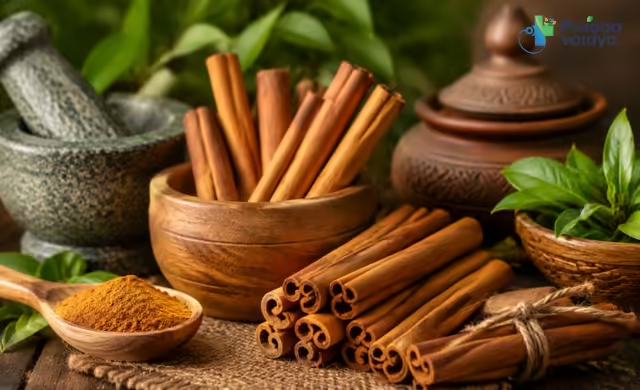
Cinnamon is obtained from the inner bark of trees belonging to the Cinnamomum genus.
It is commonly available as:
- Cinnamon sticks
- Cinnamon powder
- Herbal preparations
- Tea or infused beverages
- Culinary spice blends
Two commonly encountered types are Ceylon cinnamon and Cassia cinnamon. They have similar culinary uses but differ in their chemical composition, particularly their coumarin content.
In India, cinnamon is commonly known as Dalchini.
Cinnamon in Ayurveda
Ayurveda traditionally evaluates herbs and foods according to their qualities, including concepts such as:
- Rasa – taste
- Guna – qualities
- Virya – energetic potency
- Vipaka – post-digestive effect
Cinnamon is traditionally described as having a predominantly pungent and sweet taste, warming qualities, and a heating nature.
These traditional characteristics help explain why cinnamon is often used in preparations intended to support digestion and counter qualities associated with excess coldness or heaviness.
However, these are traditional Ayurvedic descriptions and should not be interpreted as modern physiological measurements.
8 Ayurvedic Benefits of Cinnamon
1. Traditionally Supports Digestion
One of the best-known traditional uses of cinnamon is digestive support.
Ayurvedic traditions commonly use warming spices to support digestive function, particularly when digestion is associated with heaviness or sluggishness.
Cinnamon can be incorporated into foods and beverages in small culinary quantities.
For recurring digestive symptoms, however, the underlying cause should be identified rather than relying on cinnamon alone.
2. May Support Appetite and Digestive Comfort
Cinnamon’s warming and aromatic qualities make it a common ingredient in traditional preparations used around meals.
It may be included in dietary routines where there is:
- Occasional heaviness after eating
- Reduced appetite
- Feeling of sluggish digestion
- Preference for warming foods
Individual responses vary, and people with heat-sensitive digestive symptoms may not tolerate large amounts well.
3. Traditionally Used in Kapha-Oriented Approaches
Cinnamon’s warming, aromatic, and relatively light qualities are traditionally considered useful when Kapha characteristics are prominent.
Kapha is associated with qualities such as:
- Heaviness
- Stability
- Coolness
- Moisture
- Slowness
Traditional Ayurvedic approaches may use warming spices to balance excessive heaviness or sluggishness.
This does not mean cinnamon should be taken specifically to “remove Kapha.” Diet, activity, sleep, and the broader lifestyle pattern are also important.
4. May Complement a Balanced Metabolic Lifestyle
Cinnamon has attracted modern research interest because of its possible relationship with glucose metabolism and other metabolic markers.
Some studies have reported potential effects on blood glucose, insulin sensitivity, or lipid parameters, while findings have not been consistent enough to establish cinnamon as a treatment for diabetes or metabolic disease.
From an Ayurvedic perspective, cinnamon may be included as a culinary spice within an appropriate diet and lifestyle plan.
It should not replace prescribed diabetes medication or medical care.
5. Traditionally Associated With Circulation and Warmth
Cinnamon’s warming nature has traditionally led to its use in preparations associated with circulation and maintaining bodily warmth.
This is particularly relevant to Ayurveda’s emphasis on the qualities of foods and herbs.
However, a feeling of warmth after consuming cinnamon should not be interpreted as proof that it improves circulation in a clinically meaningful way.
6. Provides Plant Compounds With Antioxidant Activity
Cinnamon contains naturally occurring compounds, including polyphenols and cinnamaldehyde.
These compounds have demonstrated antioxidant activity in laboratory and experimental research.
This provides an interesting nutritional reason to include spices in a varied diet.
However, antioxidant activity in laboratory studies does not automatically mean that cinnamon prevents or treats a particular disease in humans.
7. Supports Flavourful, Lower-Sugar Food Choices
Cinnamon can add flavour and aroma to foods without requiring additional sugar.
It can be used in:
- Oatmeal
- Unsweetened porridge
- Stewed fruits
- Herbal beverages
- Homemade yoghurt preparations
- Certain savoury dishes
Using cinnamon for flavour may help reduce the need for excessive sweeteners in some recipes.
8. Traditionally Used in Seasonal Dietary Practices
Ayurveda emphasises adapting food and lifestyle according to seasonal changes.
Because cinnamon is traditionally considered warming, it is often more appealing during cooler weather.
However, individual tolerance matters.
Someone who experiences excessive heat, acidity, mouth irritation, or similar symptoms may need to limit warming spices.
Final Thoughts
The Ayurvedic benefits of cinnamon can be understood through its traditional qualities and uses rather than through exaggerated claims about rapid weight loss, detoxification, or disease treatment.
Known as Dalchini, cinnamon is traditionally valued for its warming and aromatic qualities and is commonly incorporated into dietary practices related to digestion and Kapha-oriented balance. Modern research has also explored cinnamon’s nutritional and metabolic properties, although evidence does not support using it as a replacement for medical treatment.
For everyday use, cinnamon can be a simple addition to a balanced diet through foods, beverages, and traditional preparations. Moderation is important, particularly when using concentrated amounts or Cassia cinnamon, which contains higher levels of coumarin.
At Praanavaidya, Ayurvedic dietary recommendations can be personalised according to Prakriti, Vikriti, Agni, Dosha characteristics, season, diet, lifestyle, and individual health needs.
The value of cinnamon lies not in treating every health concern with one spice, but in understanding how it can appropriately fit into a balanced Ayurvedic lifestyle.
Visit Us in-
Rajajinagar- 08065903133
Hubballi – 08065903145
Indiranagar- 08065903135
Mumbai-08065903118
Yelahanka- 08065903134
Mangaluru-08065903136
Chamrajpet-08065903132
Delhi-08065903140
Lucknow-08065903130
Frequently Asked Questions About the Ayurvedic Benefits of Cinnamon
What are the Ayurvedic benefits of cinnamon?
Cinnamon is traditionally valued for its warming, aromatic, and digestive-supportive qualities. It is commonly used in Ayurvedic dietary practices, particularly in approaches involving Kapha and sluggish digestion.
What is cinnamon called in Ayurveda?
Cinnamon is commonly known as Dalchini in India and is used in traditional Ayurvedic preparations and cooking.
Is cinnamon good for digestion?
Cinnamon is traditionally used to support digestion and is commonly included in warming dietary preparations. Persistent digestive symptoms should be properly assessed rather than treated with cinnamon alone.
Can cinnamon help with weight loss?
Cinnamon is not a standalone weight-loss treatment. It can be used as a flavourful spice within a balanced diet and healthy lifestyle.
Can I consume cinnamon every day?
Small culinary amounts are commonly used in food. Regular consumption of concentrated quantities should be approached cautiously, particularly because of the coumarin content of some cinnamon varieties.
Praanavaidya
Healthcare Professional
Focused on patient-centric care and evidence-based treatment plans.
More from Praanavaidya