
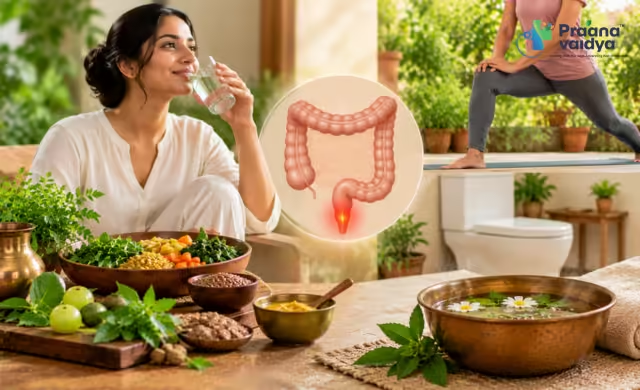
Anal fissures can be frustrating because the pain may improve, only to return when constipation, hard stools or straining occur again. Preventing anal fissure recurrence is therefore not only about managing discomfort when it appears. It is also about developing daily habits that support regular, softer bowel movements and give the area time to heal.
An Ayurvedic routine can complement these habits through attention to diet, hydration, digestion, regular meals, movement and bowel habits. At Praanavaidya, Ayurvedic care is personalised according to an individual’s symptoms, digestion, lifestyle and overall health.
If anal pain or bleeding keeps returning, it is important to have the condition assessed rather than repeatedly relying on home remedies.
Looking for Ayurvedic guidance for recurring fissure symptoms?
Why Do Anal Fissures Keep Coming Back?
An anal fissure is a small tear in the lining of the anus. It commonly develops when a hard or large stool stretches and injures the tissue. Pain during or after bowel movements can cause a person to delay going to the toilet, which may contribute to harder stools and further irritation.
Several factors can contribute to recurrence, including:
- Chronic constipation
- Hard or dry stools
- Repeated straining during bowel movements
- Frequent diarrhoea
- Low dietary fibre intake
- Inadequate fluid intake
- Ignoring the urge to pass stool
- Spending too long on the toilet
- An incompletely healed fissure
- Certain underlying bowel conditions
The key lesson is simple: if the factors that caused the original fissure continue, the fissure may return.
How Ayurveda Can Support Anal Fissure Recurrence Prevention
Ayurveda traditionally places considerable importance on digestion, regular bowel habits, food quality and daily routine. These principles can complement modern measures used to reduce constipation and straining.
However, an Ayurvedic routine should not be presented as a guaranteed way to prevent recurrence. Evidence for specific Ayurvedic medicines or procedures varies, while measures such as adequate fibre, hydration and avoiding straining have stronger support for bowel health.
For persistent or recurrent symptoms, professional assessment remains important.
1. Start the Morning With Good Hydration
Begin the day by drinking water according to your individual needs. Some people may prefer warm water as part of their morning routine.
Adequate hydration can support softer stools, particularly when combined with sufficient dietary fibre.
Do not force excessive amounts of water. People with certain heart, kidney or other medical conditions may have specific fluid restrictions and should follow their doctor’s advice.
2. Build a Fibre-Rich Diet
A fibre-rich diet is one of the most useful habits for preventing constipation and hard stools.
Include a variety of naturally fibre-containing foods such as:
- Vegetables
- Fruits
- Whole grains
- Oats
- Pulses and legumes
- Nuts and seeds, where appropriate
Increase fibre gradually rather than making a sudden large change. A sudden increase without enough fluid may cause bloating or discomfort.
Your exact fibre requirement depends on factors such as age, diet, activity level and health conditions.
3. Keep Your Bowel Routine Regular
Do not repeatedly ignore the urge to pass stool. Delaying bowel movements can allow stool to become harder and more difficult to pass.
Try to establish a relaxed toilet routine, preferably at a consistent time of day.
Avoid sitting on the toilet for long periods, particularly while using your phone. The goal is a comfortable bowel movement without prolonged straining.
4. Avoid Straining
Straining increases pressure around the anal area and may aggravate an existing fissure.
If the stool does not pass easily:
- Avoid repeatedly pushing.
- Give yourself enough time without forcing the bowel movement.
- Review your fibre and fluid intake.
- Speak to a healthcare professional if constipation continues.
Preventing constipation is often more useful than repeatedly treating the irritation caused by it.
5. Choose Warm, Balanced Meals
From an Ayurvedic perspective, regular meals and attention to digestion are important parts of daily routine.
Choose meals that are balanced and include appropriate sources of fibre, protein and healthy fats. Warm, freshly prepared foods may be comfortable for some people, although there is no single diet that suits everyone with an anal fissure.
If particular foods consistently trigger diarrhoea, bloating or digestive discomfort, discuss your diet with a qualified professional rather than eliminating large food groups unnecessarily.
6. Include Gentle Daily Movement
Regular physical activity can support general digestive and bowel health.
Walking, gentle yoga or other comfortable forms of movement can be incorporated into the day. The aim is consistency rather than strenuous exercise.
If you are recovering from a procedure or have another medical condition, follow your healthcare professional’s advice regarding activity.
7. Use Warm Baths for Comfort
A warm sitz bath may provide temporary comfort for people experiencing anal pain or irritation.
A simple warm-water bath can be used for around 10–15 minutes, provided the temperature is comfortable and the skin is not irritated.
Avoid adding strong herbal preparations, essential oils or other substances to the water unless they have been specifically recommended by a qualified professional.
8. Follow Any Prescribed Ayurvedic Treatment Carefully
If an Ayurvedic doctor recommends medicines, dietary changes or therapies, follow the prescribed schedule rather than changing the treatment based on temporary improvement.
Not every herbal product is suitable for every person. Some products can interact with medicines or may be inappropriate during pregnancy, for certain medical conditions or for people with specific allergies.
A Simple Daily Ayurvedic Routine for Fissure Prevention
A practical routine can look like this:
Morning
- Drink water according to your individual needs.
- Respond to the natural urge to pass stool.
- Avoid straining or prolonged toilet sitting.
- Have a balanced, fibre-containing breakfast.
- Take a short walk or practise gentle movement.
During the Day
- Drink fluids regularly.
- Include vegetables, fruits, whole grains and other suitable fibre sources.
- Eat meals at reasonably regular times.
- Avoid repeatedly postponing bowel movements.
- Stay physically active rather than sitting continuously for long periods.
Evening
- Have a balanced evening meal.
- Keep very heavy meals close to bedtime to a minimum if they disturb your digestion.
- Take a gentle walk if comfortable.
- Follow any treatment or dietary instructions provided by your doctor.
After a Bowel Movement
If the area feels sore, gentle cleansing and a comfortable warm-water sitz bath may help with temporary discomfort. Avoid aggressive wiping or scrubbing.
When Should You See a Doctor for a Recurrent Fissure?
Not every episode of anal pain or bleeding is caused by an anal fissure. Haemorrhoids, infections, inflammatory bowel disease and other conditions can produce similar symptoms.
Seek medical assessment if:
- Pain or bleeding keeps returning.
- Symptoms do not improve with basic bowel-care measures.
- You notice a persistent lump or swelling.
- Pain becomes severe or progressively worse.
- There is pus or unusual discharge.
- You develop fever.
- Bleeding is heavy or associated with dizziness or weakness.
- You have unexplained weight loss or persistent changes in bowel habits.
A fissure that repeatedly returns may need more than dietary changes. A clinician can determine whether it is an acute or chronic fissure and whether further treatment or investigation is needed.
Can an Ayurvedic Routine Completely Prevent Recurrence?
No routine can guarantee that an anal fissure will never return.
The practical goal is to reduce the factors that commonly contribute to recurrence, especially constipation, hard stools and straining. An Ayurvedic approach can be useful when it supports sustainable diet and lifestyle habits and is adapted to the individual’s health needs.
For recurrent or persistent fissures, Ayurvedic care should be guided by a qualified practitioner and should not delay appropriate medical evaluation.
Visit Us in-
Rajajinagar- 08065903133
Hubballi – 08065903145
Indiranagar- 08065903135
Mumbai-08065903118
Yelahanka- 08065903134
Mangaluru-08065903136
Jayanagar- 08065903132
Delhi-08065903140
Lucknow-08065903130
FAQs
How can I prevent anal fissure recurrence?
Preventing anal fissure recurrence mainly involves keeping stools soft, eating adequate fibre, drinking sufficient fluids, avoiding straining and maintaining regular bowel habits. An individualised Ayurvedic routine may complement these measures.
What should I eat to prevent anal fissures from coming back?
Choose a varied diet containing vegetables, fruits, whole grains, pulses and other suitable sources of fibre. Increase fibre gradually and maintain adequate fluid intake to support softer stools.
Can constipation cause an anal fissure to come back?
Yes. Hard stools and straining can repeatedly irritate or injure the anal lining. Managing constipation is therefore an important part of anal fissure recurrence prevention.
Is Ayurveda good for recurring anal fissures?
Ayurvedic care may provide supportive dietary and lifestyle guidance, but recurring fissures should be assessed by a qualified healthcare professional. Specific Ayurvedic medicines or therapies should be recommended based on individual health needs rather than self-prescribed.
Can I use home remedies for an anal fissure?
Some basic measures, such as adequate hydration, fibre, avoiding straining and warm-water sitz baths, may help support bowel health and comfort. Persistent pain, bleeding or recurrent symptoms require professional assessment.
How long does an anal fissure take to heal?
Healing time varies depending on whether the fissure is acute or chronic and whether the factors causing repeated irritation are addressed. A fissure that does not improve or repeatedly returns should be evaluated.
Should I avoid spicy food when I have an anal fissure?
Spicy food does not cause every anal fissure, but it may increase discomfort during bowel movements in some people. If a particular food clearly worsens your symptoms, discuss dietary adjustments with a healthcare professional.
When should I see a doctor for a recurrent fissure?
See a doctor when pain or bleeding repeatedly returns, symptoms persist, or you develop severe pain, fever, swelling, pus, significant bleeding or other unusual symptoms.
Praanavaidya
Healthcare Professional
Focused on patient-centric care and evidence-based treatment plans.
More from Praanavaidya