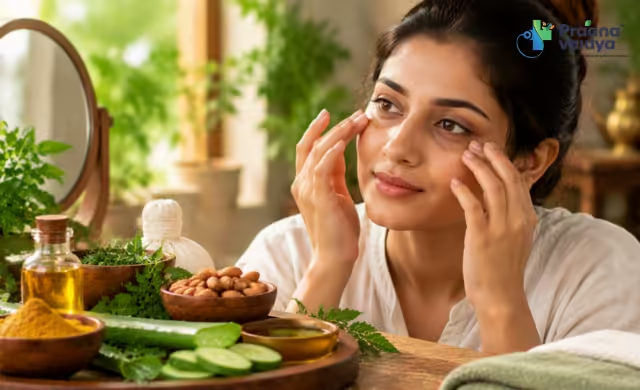
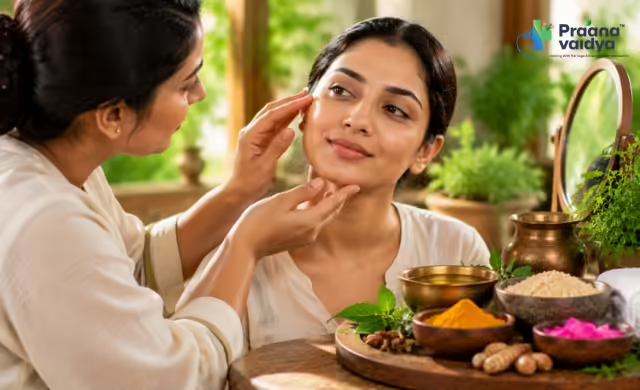
Your skin reflects more than just your external appearance. Changes in texture, dryness, oiliness, sensitivity, and breakouts can often indicate how your body is responding internally. While many modern skincare approaches focus only on surface-level concerns, Ayurveda looks at skin health through a deeper perspective by understanding your body constitution and natural balance.
Ayurvedic skin type analysis helps identify your unique skin characteristics based on the three doshas — Vata, Pitta, and Kapha. Understanding your Ayurvedic skin type can help you choose suitable skincare practices, lifestyle habits, and natural approaches that support healthier-looking skin.
At Praanavaidya, Ayurvedic principles are used to understand individual needs and provide personalised wellness guidance.
Want to understand your skin better through Ayurveda?
What Is Ayurvedic Skin Type Analysis?
Ayurvedic skin type analysis is a traditional method of understanding skin characteristics by evaluating an individual’s Prakriti (natural constitution) and the balance of Vata, Pitta, and Kapha doshas.
According to Ayurveda, every person has a unique combination of these three energies. This combination influences various aspects of the body, including:
- Skin texture
- Moisture levels
- Sensitivity
- Oil production
- Natural glow
- Tendency towards certain skin concerns
Unlike general skincare recommendations that suggest the same solution for everyone, Ayurveda focuses on personalised care based on your body’s unique requirements.
Understanding the Three Ayurvedic Skin Types
Ayurveda classifies skin types mainly according to the dominance of Vata, Pitta, or Kapha dosha.
Vata Skin Type: Dry and Sensitive Skin
Vata is associated with air and space elements. When Vata is dominant, the skin often tends to have qualities similar to these elements — light, dry, and delicate.
Common Characteristics of Vata Skin
People with Vata-dominant skin may experience:
- Dry or rough skin texture
- Reduced moisture retention
- Fine lines appearing earlier
- Sensitivity to weather changes
- Uneven skin texture
- Dull appearance when skin lacks nourishment
Ayurvedic Skin Care Approach for Vata Skin
Vata skin generally benefits from practices that support hydration and nourishment.
Helpful approaches may include:
- Using gentle moisturising ingredients
- Maintaining proper hydration
- Following a balanced diet
- Protecting skin from excessive dryness
- Using nourishing oils as recommended by an Ayurvedic practitioner
A consistent routine that supports moisture balance can help maintain a healthier skin appearance.
Pitta Skin Type: Sensitive and Reactive Skin
Pitta is associated with fire and water elements. Pitta-dominant skin is often linked with sensitivity and a tendency towards reactions.
Common Characteristics of Pitta Skin
Pitta skin may show:
- Increased sensitivity
- Redness or irritation
- Uneven skin tone
- Sensitivity to heat and sunlight
- Occasional inflammation
- Tendency towards breakouts
Ayurvedic Skin Care Approach for Pitta Skin
Pitta skin usually benefits from calming and cooling skincare practices.
Common recommendations include:
- Avoiding harsh skincare products
- Protecting skin from excessive sun exposure
- Choosing gentle ingredients
- Maintaining a balanced lifestyle
- Managing stress levels
An Ayurvedic consultation can help understand possible imbalances affecting skin health.
Kapha Skin Type: Oily and Thick Skin
Kapha is associated with earth and water elements. Kapha-dominant skin often has qualities of stability, thickness, and natural moisture.
Common Characteristics of Kapha Skin
Kapha skin may experience:
- Oily skin texture
- Enlarged pores
- Excess sebum production
- Frequent congestion
- Heavier skin feel
Ayurvedic Skin Care Approach for Kapha Skin
Kapha skin may benefit from practices that support cleanliness and balance.
These may include:
- Maintaining a consistent cleansing routine
- Choosing lightweight skincare products
- Following an active lifestyle
- Supporting healthy digestion
- Avoiding excessive heavy skincare products
The right approach depends on the individual’s overall constitution and current skin condition.
How Can You Identify Your Skin Type According to Ayurveda?
Understanding your Ayurvedic skin type involves observing different physical characteristics and lifestyle patterns.
An Ayurvedic practitioner may consider:
Skin Texture
Observe whether your skin feels:
- Dry and rough
- Soft and sensitive
- Thick and oily
Natural Skin Behaviour
Notice how your skin responds to:
- Weather changes
- Diet changes
- Stress
- Sleep patterns
- Skincare products
Common Skin Concerns
Your recurring concerns may provide clues about possible imbalances, such as:
- Excess dryness
- Sensitivity
- Oiliness
- Uneven skin appearance
Body Constitution
Ayurveda considers skin as part of the entire body system. Factors such as digestion, lifestyle habits, and overall constitution are also considered during assessment.
Why Understanding Your Ayurvedic Skin Type Matters
Using products without understanding your skin’s actual needs can sometimes lead to unwanted results. A product that works well for one person may not provide the same benefits for another.
Knowing your Ayurvedic skin type can help you:
- Select more suitable skincare practices
- Understand your skin’s natural tendencies
- Avoid unnecessary experimentation
- Create a personalised wellness routine
- Support long-term skin health
Ayurveda focuses on maintaining balance rather than only addressing visible concerns.
Ayurvedic Skin Care Tips for Different Skin Types
While every individual requires personalised guidance, some general Ayurvedic-inspired practices include:
Maintain a Balanced Diet
Food choices can influence overall wellness. Including fresh, seasonal, and nutrient-rich foods can support healthy skin.
Stay Hydrated
Adequate hydration supports normal skin function and overall health.
Follow a Consistent Routine
Regular skincare habits are often more beneficial than frequently changing products.
Manage Stress
Stress can influence various aspects of health, including skin appearance. Practices such as yoga, meditation, and mindful breathing may support overall balance.
Prioritise Sleep
Quality sleep helps the body maintain natural repair processes.
How Praanavaidya Approaches Ayurvedic Skin Wellness
Every person’s skin journey is different. At Praanavaidya, Ayurvedic principles are used to understand individual constitution, lifestyle patterns, and wellness requirements.
The approach focuses on:
- Understanding your unique body constitution
- Identifying possible imbalances
- Providing personalised Ayurvedic guidance
- Supporting natural skin wellness practices
Whether you are looking for Ayurvedic skin care guidance in Bangalore, Hubballi, Mangalore, Mumbai, Delhi, or Lucknow, understanding your skin type is the first step towards creating a suitable wellness approach.
Looking for personalised Ayurvedic skin guidance?
Visit Us in
Rajajinagar- 08065903133
Hubballi – 08065903145
Jayanagar- 08065903132
Mumbai-08065903118
Yelahanka- 08065903134
Mangaluru-08065903136
Chamrajpet-08065903132
Delhi-08065903140
Lucknow-08065903130
FAQs
What is Ayurvedic skin type analysis?
Ayurvedic skin type analysis is a traditional approach that identifies skin characteristics based on an individual’s Prakriti (body constitution) and the balance of Vata, Pitta, and Kapha doshas. It helps understand whether the skin is naturally dry, sensitive, oily, or a combination of these traits.
How can I know my skin type according to Ayurveda?
You can understand your Ayurvedic skin type by observing your skin texture, moisture levels, sensitivity, oil production, and how your skin responds to lifestyle and environmental changes. An Ayurvedic practitioner may also consider your overall body constitution for a more personalised assessment.
What are the three Ayurvedic skin types?
According to Ayurveda, skin types are commonly associated with three doshas:
- Vata skin: Usually dry, delicate, and prone to roughness.
- Pitta skin: Often sensitive and reactive, with a tendency towards redness or irritation.
- Kapha skin: Generally thicker, oilier, and prone to excess moisture or congestion.
Can Ayurveda help improve skin health naturally?
Ayurveda focuses on supporting overall balance through personalised lifestyle practices, diet, and skincare approaches. Individual results may vary depending on factors such as skin condition, lifestyle habits, and consistency of care.
Is Ayurvedic skincare suitable for all skin types?
Ayurvedic skincare principles can be adapted for different skin types. However, the right approach depends on individual needs, existing skin concerns, and personal constitution. Consulting an experienced Ayurvedic practitioner can help identify suitable practices.
What is the difference between modern skin typing and Ayurvedic skin typing?
Modern skin typing generally classifies skin based on factors like oiliness, dryness, sensitivity, and combination skin. Ayurvedic skin typing considers these characteristics along with body constitution, lifestyle, digestion, and overall balance.
How does diet affect skin according to Ayurveda?
Ayurveda considers digestion, nutrition, and lifestyle habits important factors in maintaining overall wellness. A balanced diet and healthy daily routine may support better skin health along with appropriate skincare practices.
Where can I get Ayurvedic skin consultation in India?
Praanavaidya provides Ayurvedic wellness consultations across multiple locations, including Bangalore, Hubballi, Mangalore, Mumbai, Delhi, and Lucknow, helping individuals understand their unique wellness requirements through traditional Ayurvedic principles.
Praanavaidya
Healthcare Professional
Focused on patient-centric care and evidence-based treatment plans.
More from Praanavaidya