
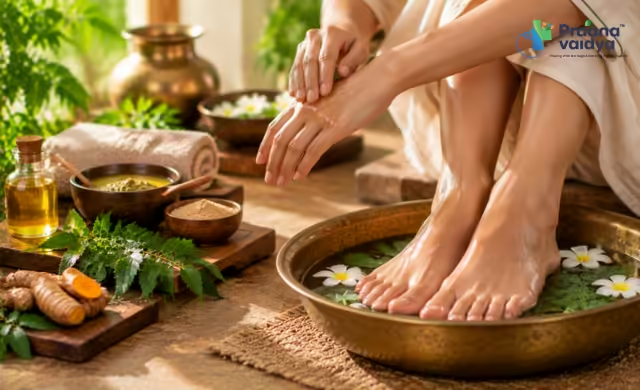
Hands and feet are among the most used parts of our body, yet they often receive the least attention in our daily skincare routine. Exposure to pollution, frequent washing, harsh chemicals, weather changes, and lack of proper moisturisation can leave the skin dry, rough, and tired.
Ayurvedic care for hands and feet focuses on maintaining skin health through natural oils, herbal ingredients, massage techniques, and simple daily practices that support overall well-being. Ayurveda views skincare as a part of maintaining balance between the body, mind, and environment.
At Praanavaidya, traditional Ayurvedic principles are combined with personalised wellness approaches to help individuals adopt natural self-care habits for healthier skin.
Whether you are dealing with dry hands, cracked heels, rough skin, or simply want to build a better self-care routine, small Ayurvedic rituals can make a meaningful difference.
Explore Ayurvedic wellness solutions at Praanavaidya and learn how traditional practices can support your daily health routine.
Why Hands and Feet Need Special Ayurvedic Care
Hands and feet experience constant stress throughout the day. While hands are exposed to frequent washing and environmental factors, feet carry the weight of the body and often face pressure, friction, and dryness.
According to Ayurveda, healthy skin depends on maintaining proper nourishment and moisture balance. When the skin loses its natural oils, it may become:
- Dry and flaky
- Rough or uneven
- Sensitive to external factors
- Prone to cracks, especially around the heels
Ayurvedic skincare focuses not only on external application but also on supporting healthy habits, balanced routines, and mindful self-care.
Simple Ayurvedic Daily Rituals for Hands and Feet
1. Begin With Ayurvedic Oil Massage (Abhyanga)
One of the most well-known Ayurvedic self-care practices is Abhyanga, a traditional oil massage technique.
Applying warm herbal oil to hands and feet helps provide nourishment and supports soft, healthy-looking skin. Regular massage also creates a calming daily ritual that promotes relaxation.
How to practise Abhyanga at home:
- Warm a small amount of suitable Ayurvedic oil.
- Gently massage your hands, fingers, palms, feet, and heels.
- Allow the oil to stay for some time before washing.
- Use this practice regularly as part of your self-care routine.
Commonly used Ayurvedic oils include:
- Sesame oil
- Coconut oil
- Herbal-infused oils recommended according to individual needs
The choice of oil may vary depending on skin type and personal requirements.
2. Care for Dry Hands With Natural Moisturisation
Frequent hand washing and exposure to cleaning products can remove natural oils from the skin. Ayurvedic care for hands focuses on restoring moisture naturally.
Simple habits include:
- Applying herbal oils or moisturisers after washing hands
- Avoiding excessive use of harsh chemical products
- Drinking enough water throughout the day
- Protecting hands from extreme weather conditions
Ingredients traditionally used in Ayurvedic skincare, such as aloe vera, turmeric, and herbal extracts, are valued for their skin-supporting properties.
3. Follow an Ayurvedic Foot Care Routine
Feet often require additional attention because the skin around the heels can become thick and dry.
A simple Ayurvedic foot care routine may include:
Evening foot massage:
Massaging feet before bedtime is a traditional Ayurvedic practice. Gentle massage with suitable oils can help relax tired feet and maintain skin softness.
Regular cleansing:
Keeping feet clean helps remove sweat, dirt, and impurities accumulated throughout the day.
Heel care:
For people experiencing dry or cracked heels, regular moisturisation and gentle care can help improve skin comfort.
Avoid aggressive scrubbing, as excessive friction may irritate the skin.
4. Use Natural Ingredients for Skin Nourishment
Ayurvedic skincare traditionally uses plant-based ingredients that have been valued for generations.
Some commonly used ingredients include:
Coconut oil
Coconut oil is commonly used in traditional skincare routines because of its moisturising properties.
Aloe vera
Aloe vera is often used in skincare products for its soothing and hydrating qualities.
Turmeric
Turmeric has a long history in Indian skincare traditions and is used in various herbal preparations.
Herbal oils
Ayurvedic oils prepared with herbs are traditionally used for massage and skin nourishment.
It is important to choose ingredients according to your skin type and avoid anything that causes irritation.
How Ayurveda Supports Healthy Skin From Within
Ayurveda considers skin health as a reflection of overall wellness. A balanced lifestyle can complement external skincare practices.
Some supportive habits include:
- Eating a balanced diet with fresh, seasonal foods
- Maintaining proper sleep habits
- Managing daily stress
- Staying physically active
- Following a consistent personal care routine
Healthy skin is not only about applying products; it also involves caring for the body as a whole.
Ayurvedic Care for Different Hand and Foot Skin Concerns
Dry and Rough Hands
Dry hands may benefit from:
- Regular oil massage
- Moisturising after hand washing
- Avoiding harsh soaps
- Protecting hands from excessive exposure
Cracked Heels
Cracked heels are often linked with dryness and lack of moisture.
Helpful practices include:
- Daily foot moisturisation
- Gentle cleaning
- Wearing comfortable footwear
- Following a consistent foot care routine
Tired Feet After Long Hours
People who stand or walk for long periods may experience foot discomfort.
A relaxing Ayurvedic foot massage routine may help support comfort and relaxation after a busy day.
Why Choose Ayurvedic Skin Care Practices?
Modern lifestyles often involve chemical exposure, irregular routines, and environmental stress. Ayurvedic care offers a traditional approach that focuses on gentle, consistent practices.
Benefits of following Ayurvedic hand and foot care routines include:
- Natural approach to skincare
- Simple practices that can be followed daily
- Focus on long-term skin wellness
- Personalised care based on individual needs
- Integration of physical and mental relaxation
Ayurveda is not about quick fixes. It encourages consistency and mindful care.
Building a Simple Ayurvedic Hand and Foot Care Routine
A practical daily routine can include:
Morning
- Wash hands and feet gently
- Keep skin hydrated
- Follow healthy lifestyle habits
Evening
- Clean feet after daily activities
- Apply suitable oil or moisturiser
- Massage hands and feet for relaxation
Weekly
- Give extra attention to dry areas
- Follow additional herbal skincare practices if suitable
Small daily actions can create better long-term habits.
Personalised Ayurvedic Guidance at Praanavaidya
Every person’s skin type, lifestyle, and wellness needs are different. Ayurvedic practices are traditionally personalised based on individual factors rather than following a single approach for everyone.
Praanavaidya offers Ayurvedic wellness guidance across multiple locations, including Bangalore, Hubballi, Mangalore, Mumbai, Delhi, and Lucknow, helping individuals explore traditional wellness practices suited to their needs.
Connect with Praanavaidya to understand personalised Ayurvedic approaches for your wellness journey.
Visit Us in
Rajajinagar- 08065903133
Hubballi – 08065903145
Jayanagar- 08065903132
Mumbai-08065903118
Yelahanka- 08065903134
Mangaluru-08065903136
Chamrajpet-08065903132
Delhi-08065903140
Lucknow-08065903130
FAQs
What is Ayurvedic care for hands and feet?
Ayurvedic care for hands and feet involves using traditional practices such as oil massage, herbal ingredients, moisturisation, and lifestyle habits to support healthy and nourished skin. These practices focus on maintaining natural moisture balance and overall wellness.
How can I take care of dry hands naturally with Ayurveda?
Dry hands can be cared for by regularly applying suitable Ayurvedic oils, moisturising after washing, avoiding harsh chemical products, and following a consistent skincare routine. Herbal ingredients like coconut oil and aloe vera are traditionally used in natural skincare practices.
Which Ayurvedic oil is best for hand and foot massage?
Different oils may suit different skin types and needs. Sesame oil and coconut oil are commonly used in traditional Ayurvedic routines. A qualified Ayurvedic practitioner can suggest suitable oils based on individual requirements.
Can Ayurveda help with cracked heels?
Ayurvedic foot care practices such as regular oil massage, moisturisation, gentle cleansing, and maintaining proper foot hygiene may help support softer and healthier-looking heels. Persistent or severe skin concerns may require professional guidance.
What are the benefits of Ayurvedic foot massage?
Ayurvedic foot massage, traditionally known as Padabhyanga, is a self-care practice that involves massaging the feet with suitable oils. It is commonly practised for relaxation, skin nourishment, and maintaining foot comfort.
How often should I follow an Ayurvedic hand and foot care routine?
A simple Ayurvedic hand and foot care routine can be followed daily. Regular practices like applying oil, moisturising dry areas, and maintaining hygiene often provide better results than occasional care.
Is Ayurvedic skincare suitable for everyone?
Ayurvedic skincare practices vary from person to person. Skin type, lifestyle, and individual needs should be considered before choosing specific oils or herbal preparations. Professional Ayurvedic guidance can help identify suitable options.
Praanavaidya
Healthcare Professional
Focused on patient-centric care and evidence-based treatment plans.
More from Praanavaidya