

Have you ever noticed that stress affects your digestion, or that digestive discomfort impacts your mood and energy levels? Modern science now recognizes the connection between the digestive system and the brain through the gut-brain axis. Interestingly, the concept behind this relationship has existed in Ayurveda for thousands of years.
The Ayurveda gut brain connection explains how digestion, emotions, lifestyle, and overall wellbeing are closely linked. Ancient Ayurvedic texts described the importance of a balanced digestive system, mental clarity, and harmony between the body and mind long before modern research began exploring the microbiome and nervous system.
At Praanavaidya, Ayurveda principles are used to help individuals understand their unique health patterns and adopt personalized approaches toward better digestion, balance, and wellbeing across locations including Bangalore, Hubballi, Mangalore, Mumbai, Delhi, and Lucknow.
Want to understand how Ayurveda can support your digestive and lifestyle needs?
What Is the Gut-Brain Connection?
The gut-brain connection refers to the continuous communication between the digestive system and the brain. This two-way communication network influences digestion, emotions, stress response, immunity, and overall health.
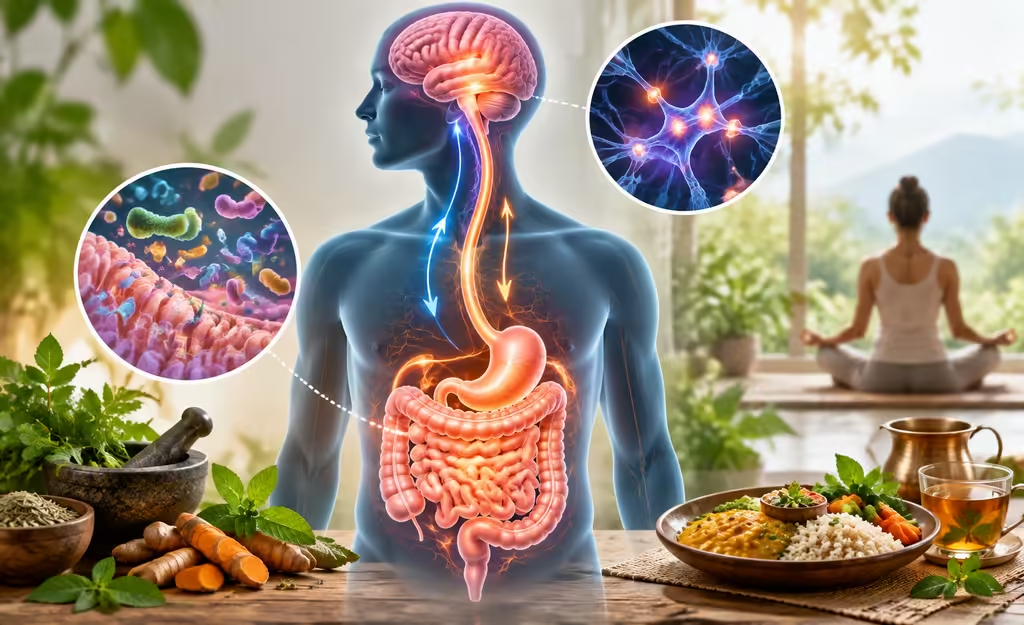
Modern research identifies this communication pathway as the gut-brain axis, involving:
- The nervous system, especially the vagus nerve
- Hormonal signals
- Immune responses
- Gut microorganisms (microbiome)
- Chemical messengers produced in the digestive tract
For example, prolonged stress can affect digestion by changing gut movement, increasing sensitivity, and influencing the balance of gut bacteria. Similarly, digestive disturbances may contribute to changes in mood, energy levels, and mental wellbeing.
Ayurveda approached this relationship through a holistic understanding of the body, where digestion (Agni), mental state (Manas), and overall balance were considered deeply interconnected.
How Ayurveda Explained the Gut-Brain Connection Thousands of Years Ago
Ancient Ayurvedic texts such as the Charaka Samhita and Sushruta Samhita emphasized the importance of digestion as the foundation of health.
Although these texts did not use modern terms like “microbiome” or “gut-brain axis,” they described concepts that relate to the relationship between digestion, emotions, and health.
Agni: The Ayurvedic Concept of Digestive Strength
In Ayurveda, Agni represents the body’s digestive and metabolic capacity. A balanced Agni is considered essential for proper digestion, nutrient absorption, and maintaining overall health.
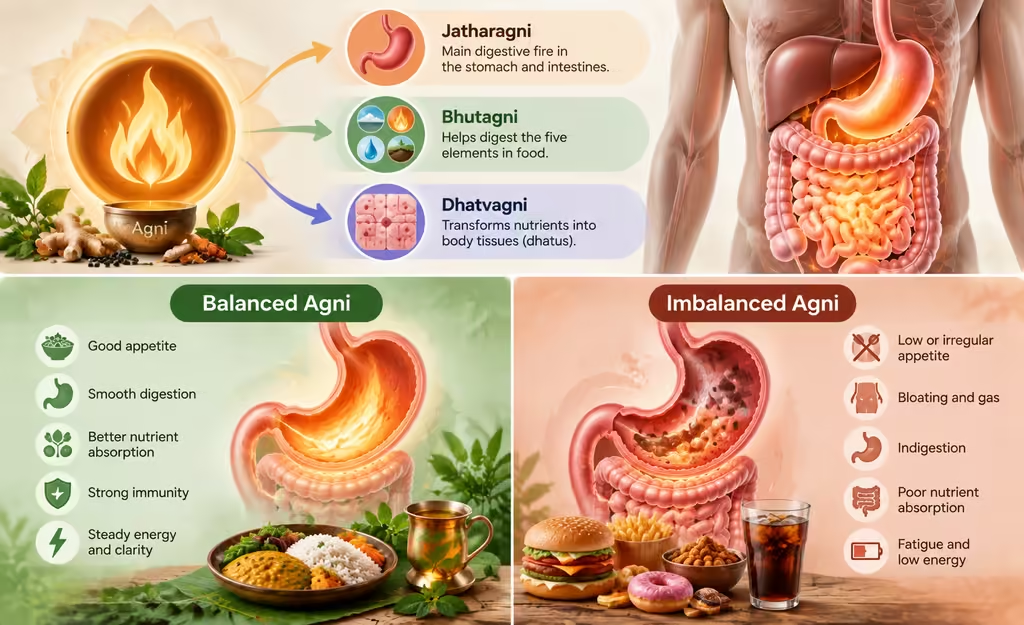
According to Ayurvedic principles:
- Strong Agni supports efficient digestion
- Imbalanced Agni may contribute to digestive discomfort
- Lifestyle, food choices, emotions, and daily routines can influence Agni
Modern science similarly recognizes that diet, stress, sleep, and lifestyle patterns influence digestive function and microbial balance.
The Role of Mind and Emotions in Digestion
Ayurveda has long highlighted the influence of mental wellbeing on physical health. Emotional states such as stress, anxiety, and excessive worry were considered capable of affecting digestion.
This idea aligns with modern understanding of how stress hormones can influence:
- Gut movement
- Digestive secretions
- Intestinal sensitivity
- Microbial diversity
The ancient Ayurvedic view of body and mind working together reflects the growing scientific interest in the gut-brain connection today.
The Role of Gut Health in Mental Wellbeing
The digestive system is not only responsible for processing food; it also plays an important role in communication with the brain.
The gut contains millions of microorganisms collectively known as the gut microbiome. These microorganisms interact with the body through various pathways and may influence:
- Mood regulation
- Stress response
- Immune function
- Metabolism
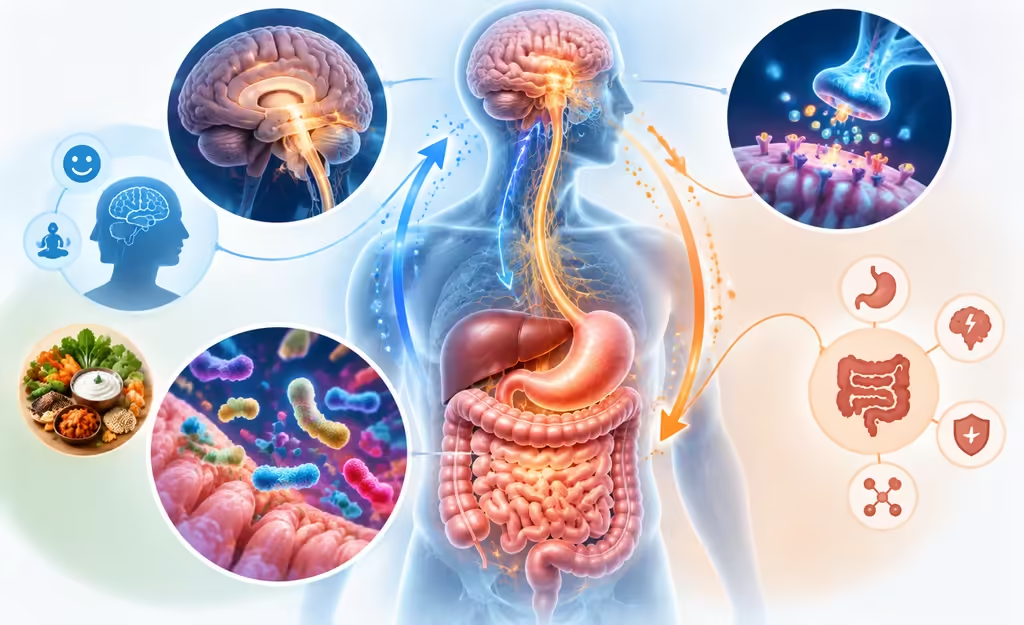
Research has explored how gut bacteria contribute to the production and regulation of certain neurotransmitters and compounds involved in brain function.
While modern research continues to understand these complex mechanisms, Ayurveda offers a lifestyle-based perspective that focuses on maintaining digestive balance through:
- Appropriate food choices
- Mindful eating
- Daily routines
- Stress management
- Individual constitution-based practices
Ayurveda’s Perspective on Digestion and Emotional Balance
Ayurveda considers health as a balance between the body, mind, and environment. Digestive health is not viewed separately from emotional wellbeing.
Several Ayurvedic principles support this integrated approach.
Mindful Eating for Better Digestion
Ayurveda emphasizes not only what we eat but also how we eat.
Traditional recommendations include:
- Eating meals at regular times
- Avoiding overeating
- Eating in a calm environment
- Paying attention to hunger and fullness signals
- Choosing foods suitable for individual needs
Modern nutrition research also supports the importance of eating behaviors and lifestyle habits in digestive wellness.
Importance of Daily Routine (Dinacharya)
Ayurveda highlights the role of consistent daily routines in maintaining balance.
A supportive routine may include:
- Regular sleep schedules
- Proper meal timing
- Physical activity
- Relaxation practices
- Stress reduction techniques
Irregular routines, poor sleep, and chronic stress are commonly associated with digestive concerns in modern health discussions.
How Stress Affects Digestion: The Modern Science Behind Ancient Wisdom
Stress activates the body’s response systems, including the nervous system and hormonal pathways. When stress becomes prolonged, it may influence digestive function.
Common effects of stress on digestion may include:
- Changes in appetite
- Bloating or discomfort
- Altered bowel habits
- Increased gut sensitivity
The vagus nerve acts as an important communication pathway between the brain and digestive organs. Practices that support relaxation, such as meditation and mindful breathing, are often associated with improved stress management.
Ayurveda traditionally incorporates practices like meditation, yoga, and breathing exercises as part of maintaining balance between mind and body.
Ayurvedic Practices That Support Gut-Brain Balance
A balanced lifestyle plays an important role in supporting digestive and mental wellbeing.
1. Follow a Personalized Diet Approach
Ayurveda emphasizes that food choices should consider individual factors such as:
- Body constitution (Prakriti)
- Digestive capacity
- Seasonal changes
- Lifestyle patterns
A personalized approach may help individuals make more suitable dietary choices rather than following a single routine for everyone.
2. Include Digestive-Friendly Habits
Simple habits that support digestive health include:
- Eating fresh, balanced meals
- Staying hydrated
- Maintaining consistent meal timings
- Reducing excessive processed foods
- Practicing mindful eating
3. Manage Stress Through Mind-Body Practices
Ayurvedic wellness approaches often include:
- Yoga
- Meditation
- Breathing practices
- Relaxation techniques
These practices may help support stress management, which is closely connected with digestive wellbeing.
Explore personalized Ayurvedic guidance with Praanavaidya to understand how traditional wellness principles can support your digestive health journey.
Ayurveda, Gut Microbiome, and Modern Health Understanding
One of the biggest areas of interest in modern health research is the gut microbiome — the community of microorganisms living inside the digestive tract.
These microorganisms interact with the body in multiple ways and are being studied for their role in:
- Digestive function
- Immune system regulation
- Metabolism
- Inflammation response
- Communication between the gut and brain
While ancient Ayurveda did not describe microorganisms in the scientific terms used today, it emphasized maintaining internal balance through diet, lifestyle, and digestive health practices.
The Ayurvedic concept of maintaining a healthy internal environment shares similarities with modern discussions around supporting a diverse and balanced gut microbiome.
Difference Between Modern Gut-Brain Science and Ayurveda
Both Ayurveda and modern science approach gut health from different perspectives.
Modern Scientific Approach
Modern research focuses on:
- Microbial diversity
- Nervous system communication
- Hormonal pathways
- Immune responses
- Brain chemistry
Researchers study how biological processes connect the digestive system and brain.
Ayurvedic Approach
Ayurveda focuses on:
- Digestive strength (Agni)
- Individual body constitution (Prakriti)
- Balance of bodily functions (Doshas)
- Mental wellbeing
- Lifestyle harmony
Rather than focusing only on symptoms, Ayurveda traditionally considers the individual as a whole.
Can Ayurveda Help Improve Gut Health Naturally?
Ayurveda provides lifestyle-based approaches that may support digestive wellness. These practices are generally focused on improving daily habits and maintaining balance.
Some commonly followed Ayurvedic wellness practices include:
Eating According to Digestive Capacity
Ayurveda emphasizes understanding your body’s ability to digest different foods.
Factors considered include:
- Hunger patterns
- Food combinations
- Seasonal changes
- Individual constitution
A food routine suitable for one person may not provide the same results for another person.
Supporting Healthy Eating Habits
Simple habits that may support digestion include:
- Eating freshly prepared meals
- Chewing food properly
- Avoiding unnecessary meal skipping
- Maintaining regular eating schedules
- Limiting excessive consumption of highly processed foods
Creating Balance Through Lifestyle
Gut health is influenced by more than food alone. Sleep, stress, activity levels, and emotional wellbeing also contribute to overall balance.
Ayurveda encourages a lifestyle approach that considers these interconnected factors.
Why the Gut-Brain Connection Matters Today
Modern lifestyles often involve:
- High stress levels
- Irregular eating patterns
- Lack of sleep
- Sedentary habits
- Increased consumption of processed foods
These factors can influence digestive wellbeing and overall quality of life.
Understanding the gut-brain connection helps people recognize that digestive health is not isolated from mental and emotional health.
The ancient Ayurvedic approach of balancing digestion, lifestyle, and mental wellbeing offers a holistic perspective that continues to interest people seeking natural wellness approaches.
How Praanavaidya Approaches Ayurvedic Wellness
At Praanavaidya, the focus is on understanding individual health patterns through Ayurvedic principles and creating personalized wellness approaches.
Ayurveda recognizes that each person has unique needs based on factors such as:
- Lifestyle
- Food habits
- Body constitution
- Daily routine
- Overall wellbeing goals
With locations in Bangalore, Hubballi, Mangalore, Mumbai, Delhi, and Lucknow, Praanavaidya helps individuals explore Ayurveda-based approaches for maintaining digestive balance and holistic wellness.
Looking for an Ayurvedic approach to improve your digestive wellness? Visit Us at:
Rajajinagar- 08065903133
Hubballi – 08065903145
Indiranagar- 08065903135
Mumbai-08065903118
Yelahanka- 08065903134
Mangaluru-08065903136
Chamrajpet-08065903132
Delhi-08065903140
Lucknow-08065903130
Conclusion: What Ancient Ayurveda Understood About Gut and Mind
The connection between digestion and mental wellbeing is receiving increasing attention through modern research on the gut-brain axis. At the same time, Ayurveda has traditionally emphasized that digestion, emotions, lifestyle, and overall health are deeply connected.
Concepts such as Agni, mindful eating, balanced routines, and mind-body practices reflect Ayurveda’s holistic approach toward wellbeing.
While modern science continues to explore the complex relationship between the gut and brain, Ayurveda provides a traditional framework that encourages people to maintain balance through personalized lifestyle choices.
A healthy gut is not only about digestion — it is also about supporting overall harmony between the body and mind.
FAQs
What is the Ayurveda gut brain connection?
The Ayurveda gut brain connection refers to the relationship between digestion, mental wellbeing, and overall health described through Ayurvedic concepts. Ayurveda emphasizes that digestive balance, emotions, and lifestyle influence each other.
How does Ayurveda explain the connection between gut and mind?
Ayurveda explains this relationship through concepts like Agni (digestive strength), mental balance, and the connection between body and mind. It considers digestion and emotional wellbeing as interconnected aspects of health.
Can Ayurveda improve gut health naturally?
Ayurveda focuses on lifestyle practices such as balanced eating, mindful habits, personalized diets, and stress management techniques that may support digestive wellness.
What is the gut-brain axis in modern science?
The gut-brain axis is the communication network between the digestive system and the brain involving nerves, hormones, immune responses, and gut microorganisms.
How does stress affect digestion according to Ayurveda and modern science?
Both Ayurveda and modern science recognize that stress can influence digestion. Stress may affect gut movement, sensitivity, and digestive comfort through nervous system and hormonal pathways.
Which Ayurvedic practices support gut health?
Common Ayurvedic wellness practices that support digestive balance include mindful eating, regular routines, yoga, meditation, proper hydration, and personalized dietary approaches.
Is the gut microbiome mentioned in Ayurveda?
Ancient Ayurveda does not describe the gut microbiome using modern scientific terminology. However, Ayurvedic concepts around internal balance, digestion, and maintaining a healthy body environment share similarities with current discussions about gut health.
Praanavaidya
Healthcare Professional
Focused on patient-centric care and evidence-based treatment plans.
More from Praanavaidya