

Have you ever wondered why some people feel energetic after meals while others experience bloating, heaviness, acidity, or sluggishness? According to Ayurveda, the answer is closely connected to Agni, the body’s digestive fire that plays an important role in digestion, nutrient absorption, and overall well-being.
Ayurveda and metabolism are deeply connected through the concept of Agni. Ayurveda explains that balanced digestive fire helps the body process food efficiently, maintain energy levels, and support healthy body functions. When Agni becomes weak or imbalanced, it may contribute to digestive discomfort and an unhealthy metabolic pattern.
At Praanavaidya, we follow Ayurvedic principles to understand individual body needs and provide personalised wellness guidance that focuses on balancing digestion, lifestyle, and overall health.
Looking for personalized Ayurvedic guidance for better digestion and metabolism?
What Is Agni in Ayurveda?
In Ayurveda, Agni refers to the biological fire responsible for transforming food into energy and essential nutrients. It is considered one of the most important factors influencing digestion and metabolism.

Unlike modern metabolism, which mainly refers to biochemical processes that convert food into energy, Ayurveda describes metabolism through a broader perspective that includes:
- Digestion and breakdown of food
- Absorption of nutrients
- Elimination of waste products
- Maintenance of energy and vitality
- Balance between body and mind
A properly functioning Agni helps the body utilise nutrients effectively. When Agni is disturbed, digestion may become irregular, leading to symptoms such as bloating, indigestion, irregular appetite, and fatigue.
Understanding the Connection Between Ayurveda and Metabolism
How Does Digestive Fire Influence Metabolism?
The Ayurvedic view of metabolism begins with digestion. Food that is properly digested provides nourishment to the body tissues, while poor digestion may lead to accumulation of undigested substances.
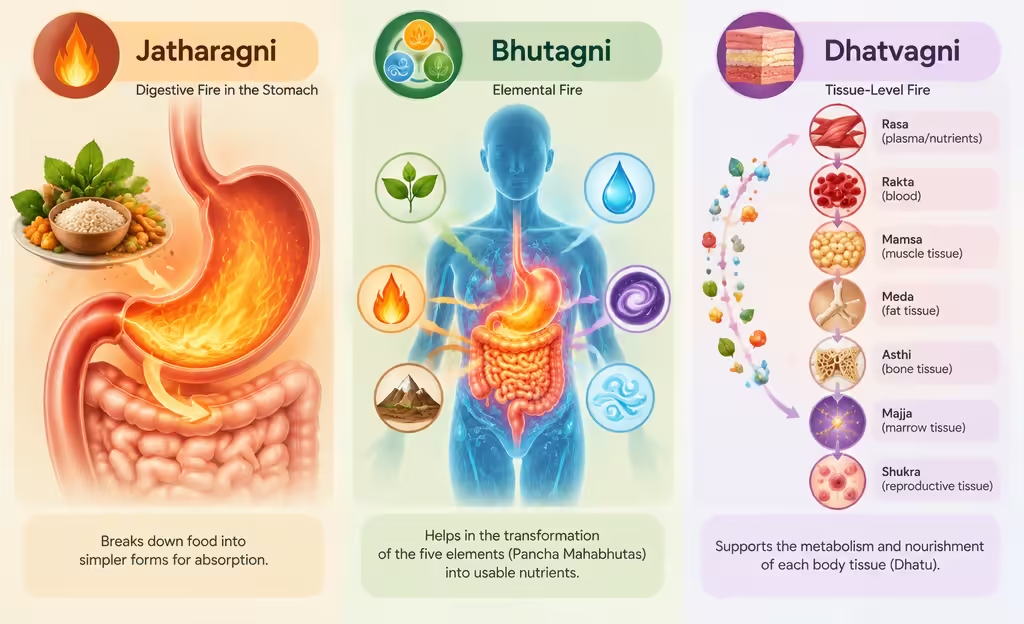
Ayurveda describes different types of Agni that influence metabolic functions:
Jatharagni: The Main Digestive Fire
Jatharagni is considered the primary digestive fire located in the digestive system. It helps break down food and prepares nutrients for absorption.
A balanced Jatharagni may support:
- Comfortable digestion
- Regular appetite
- Better nutrient utilisation
- Healthy energy levels
Bhutagni and Dhatvagni
Ayurveda also explains other forms of Agni involved in processing nutrients at deeper levels:
- Bhutagni: Helps transform elemental components of food.
- Dhatvagni: Supports the nourishment and maintenance of body tissues.
Together, these concepts describe how Ayurveda views the complete journey of food transformation inside the body.
Signs of Balanced and Imbalanced Digestive Fire

Understanding your digestive patterns can help identify whether your Agni is functioning properly.
Signs of Balanced Agni
A balanced digestive fire may be associated with:
- Regular hunger signals
- Comfortable digestion after meals
- Good energy throughout the day
- Proper bowel movements
- Feeling light and active after eating
Signs of Weak Digestive Fire
When Agni becomes weak, some people may experience:
- Frequent bloating
- Gas or abdominal discomfort
- Loss of appetite
- Feeling heavy after meals
- Slow digestion
- Irregular bowel habits
- Low energy levels
These symptoms can have several possible causes. Persistent digestive concerns should be evaluated by a qualified healthcare professional.
What Causes Weak Agni According to Ayurveda?
Ayurveda considers digestion to be influenced by diet, lifestyle, emotions, and daily habits.
Common factors that may disturb digestive fire include:
Irregular Eating Patterns
Eating at inconsistent times or frequently skipping meals may affect the body’s natural digestive rhythm.
Poor Food Choices
Excessive consumption of processed foods, heavy meals, or foods that do not suit an individual’s body constitution may impact digestion.
Lack of Physical Activity
Regular movement supports overall health. A sedentary lifestyle may contribute to sluggish digestion for some individuals.
Stress and Emotional Imbalance
Ayurveda recognises the connection between the mind and digestive system. Chronic stress may influence appetite, digestion, and gut comfort.
Inadequate Sleep
Poor sleep habits can affect overall wellness and may indirectly influence digestive functions.
Ayurvedic Ways to Support Healthy Metabolism
Supporting Agni involves creating habits that encourage balanced digestion and overall wellness.
Follow Mindful Eating Practices
Eating calmly and paying attention to meals can support better digestion.
Helpful practices include:
- Eating meals at regular times
- Chewing food properly
- Avoiding distractions while eating
- Choosing fresh, balanced foods
Choose Foods According to Your Body Needs
Ayurveda emphasises personalised nutrition rather than a single diet approach for everyone.
Food choices may depend on:
- Individual constitution (Prakriti)
- Digestive capacity
- Seasonal changes
- Lifestyle patterns
An Ayurvedic practitioner can help understand suitable dietary approaches based on individual requirements.
Maintain a Balanced Daily Routine
Ayurveda highlights the importance of Dinacharya (daily routine) for maintaining balance.
Simple habits may include:
- Starting the day with healthy routines
- Maintaining consistent meal timings
- Getting adequate rest
- Practising yoga or gentle physical activity
Want to understand how Ayurvedic principles can support your digestion and wellness goals? Consult Praanavaidya for personalised Ayurvedic guidance based on your health requirements.
Ayurvedic Herbs and Practices Traditionally Associated With Digestion
Ayurveda has traditionally used several herbs and formulations to support digestive wellness. Some commonly known examples include:
Ginger (Shunthi)
Ginger has been traditionally used in Ayurveda to support digestion and appetite.
Cumin (Jeera)
Cumin is commonly used in Ayurvedic diets and traditional preparations to support digestive comfort.
Triphala
Triphala is a traditional Ayurvedic formulation containing three fruits and is commonly used in Ayurvedic wellness practices.
Important Note
The suitability of herbs and Ayurvedic formulations may vary from person to person. Dosage and usage should be considered with guidance from a qualified Ayurvedic practitioner, especially for individuals with existing health conditions or those taking medications.
The Role of Lifestyle in Maintaining Digestive Fire
Ayurveda views health as a combination of food, lifestyle, mental well-being, and environmental factors.

To support healthy metabolism naturally:
- Maintain regular meal timings
- Stay physically active
- Drink adequate water
- Manage stress through relaxation practices
- Prioritise quality sleep
- Avoid overeating
Small, consistent lifestyle changes can contribute to better digestive habits over time.
How Praanavaidya Approaches Ayurvedic Wellness
At Praanavaidya, Ayurvedic wellness focuses on understanding the individual rather than applying a one-size-fits-all approach.
The approach may include:
- Understanding personal health patterns
- Evaluating digestive concerns
- Suggesting lifestyle modifications
- Recommending Ayurvedic wellness practices based on individual needs
If you are experiencing digestive discomfort or want to understand your Ayurvedic wellness approach, reach out to Praanavaidya at your nearest location for a consultation.
Rajajinagar- 08065903133
Hubballi – 08065903145
Indiranagar- 08065903135
Mumbai-08065903118
Yelahanka- 08065903134
Mangaluru-08065903136
Chamrajpet-08065903132
Delhi-08065903140
Lucknow-08065903130
FAQs
What is Agni in Ayurveda?
Agni in Ayurveda refers to the digestive fire responsible for transforming food into energy and nutrients. A balanced Agni is considered important for healthy digestion, metabolism, and overall wellness.
How are Ayurveda and metabolism connected?
Ayurveda explains metabolism through the concept of Agni, which influences how the body digests food, absorbs nutrients, and maintains balance. Supporting digestive fire is considered an important part of Ayurvedic wellness practices.
What are the signs of weak digestive fire according to Ayurveda?
Signs that may indicate an imbalance in digestive fire include bloating, irregular appetite, heaviness after meals, indigestion, gas, and low energy. These symptoms can have different causes, so professional guidance may be helpful for persistent concerns.
How can Ayurveda improve digestion naturally?
Ayurveda focuses on personalised lifestyle practices such as mindful eating, balanced food choices, regular routines, stress management, and suitable wellness practices to support digestive health.
Which Ayurvedic foods support healthy digestion?
Traditional Ayurvedic diets commonly include digestion-supporting ingredients such as ginger, cumin, and other herbs. However, food suitability depends on an individual’s health condition, body constitution, and digestive capacity.
Can Ayurveda help with slow metabolism?
Ayurveda approaches metabolism by focusing on digestive balance, lifestyle habits, and individual wellness needs. An Ayurvedic practitioner can suggest suitable approaches after understanding personal health factors.
What is the difference between Agni and modern metabolism?
Modern metabolism refers to biochemical processes that convert food into energy and maintain body functions. Ayurveda describes Agni as a broader concept involving digestion, transformation, nutrient utilisation, and internal balance.
Is Ayurvedic treatment suitable for everyone?
Ayurvedic approaches are personalised based on individual needs. People with health conditions, ongoing symptoms, or those taking medications should consult a qualified healthcare professional before starting any new treatment or herbal preparation.
Praanavaidya
Healthcare Professional
Focused on patient-centric care and evidence-based treatment plans.
More from Praanavaidya