The prostate is a small gland that plays an important role in the male reproductive system. As men grow older, changes in the prostate can become more common and may affect urination, bladder function, and quality of life.
Prostate Health in Ayurveda approaches these concerns from a broader perspective, considering digestion, urinary function, daily routine, diet, hydration, age, and individual constitution. Traditional Ayurvedic concepts may provide supportive lifestyle guidance, but they should not replace medical evaluation when urinary symptoms develop.
At Praanavaidya, an individualized Ayurvedic approach can be used alongside appropriate medical care to support healthy routines and overall well-being.
What Is the Prostate?
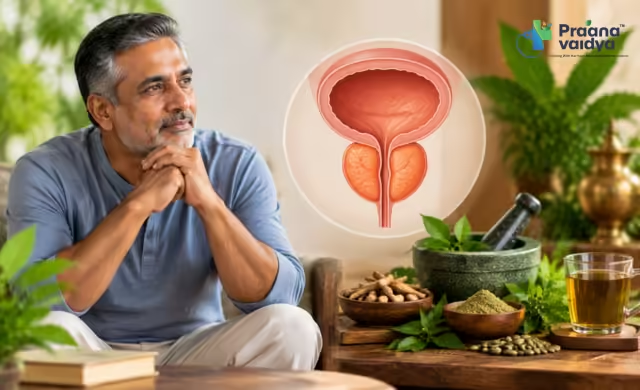
The prostate is a gland located below the bladder and in front of the rectum. The urethra passes through the prostate, which is why enlargement of the gland can sometimes affect urine flow.
The prostate naturally changes with age. One common condition is benign prostatic hyperplasia (BPH), a non-cancerous enlargement of the prostate.
Other prostate conditions can also cause urinary symptoms, including:
- Prostatitis
- Urinary tract problems
- Prostate cancer
- Bladder conditions
Because several different conditions can produce similar symptoms, persistent urinary changes should be evaluated rather than automatically attributed to prostate enlargement.
Early Signs of Prostate Problems
Changes in urination are among the symptoms that may lead someone to seek prostate evaluation.
Possible symptoms include:
Frequent Urination
A person may feel the need to urinate more often, particularly at night.
Getting Up Frequently at Night
Repeated nighttime urination, known as nocturia, can interfere with sleep and daytime energy.
Difficulty Starting Urination
Some men may notice that urine does not begin flowing immediately after they feel the urge.
Weak or Slow Urine Stream
A weaker stream can occur when urine flow becomes restricted.
Stopping and Starting
Urination may become intermittent rather than producing a continuous stream.
Feeling That the Bladder Has Not Fully Emptied
Some people may continue to feel the urge to urinate even after using the bathroom.
Urgency
A sudden and difficult-to-delay need to urinate may also occur.
These symptoms can have several causes, so they should not automatically be interpreted as evidence of prostate enlargement.
How Does Ayurveda View Prostate and Urinary Health?
Ayurveda has traditional concepts relating to urinary function and the body’s fluid pathways.
Conditions involving urinary difficulty may be discussed in relation to Mutravaha Srotas, the traditional Ayurvedic concept of channels associated with urine.
Ayurvedic practitioners may also consider the influence of Vata Dosha, particularly when symptoms involve difficulty with movement or elimination.
These concepts belong to the traditional Ayurvedic framework and should not be treated as direct anatomical equivalents of the prostate or urinary tract.
Ayurveda and Age-Related Prostate Changes
Age is an important factor in prostate health.
From an Ayurvedic perspective, advancing age is traditionally associated with greater influence of Vata. Practitioners may therefore consider age, digestive function, sleep, diet, activity, and urinary patterns when developing an individualized plan.
This does not mean that prostate enlargement is simply caused by Vata imbalance. Modern medicine recognizes BPH as a biological condition involving changes in prostate tissue and hormonal signaling.
A combined understanding helps prevent traditional concepts from being used as a substitute for diagnosis.
Natural Ways to Support Prostate Health
1. Maintain Adequate Hydration
Adequate fluid intake supports normal urinary function.
However, drinking excessive amounts of water in an attempt to “flush the prostate” is not necessary and may worsen nighttime urination.
People with certain heart, kidney, or other medical conditions may have specific fluid requirements and should follow professional advice.
2. Avoid Holding Urine for Long Periods
Regularly delaying urination for prolonged periods may be uncomfortable and can interfere with normal bladder habits.
Responding to the body’s natural urge can be part of a healthy routine.
3. Stay Physically Active
Regular physical activity supports cardiovascular health, metabolic health, healthy body weight, and general well-being.
Walking, cycling, strength training, yoga, or other suitable activities can be incorporated according to fitness level and medical needs.
4. Maintain a Healthy Weight
Excess body weight is associated with several metabolic and health conditions that can affect urinary health.
A balanced diet and regular physical activity can support healthy weight management.
5. Pay Attention to Evening Fluid Intake
For people experiencing nighttime urination, consuming very large amounts of fluid shortly before bedtime may make symptoms more noticeable.
Reducing late-evening beverages may help some people, while maintaining adequate hydration throughout the day.
6. Moderate Caffeine and Alcohol
Caffeine and alcohol can increase urinary frequency or bladder irritation in some people.
If nighttime urination or urgency is troublesome, observing whether these beverages worsen symptoms can be useful.
7. Support Healthy Bowel Habits
Constipation can increase pelvic pressure and may contribute to urinary discomfort in some individuals.
Adequate dietary fiber, fluids, movement, and appropriate bowel habits can therefore be useful components of overall pelvic health.
Ayurvedic Dietary Approach for Prostate Wellness
Ayurveda traditionally emphasizes foods according to an individual’s constitution, digestive capacity, season, and lifestyle.
A prostate-supportive diet does not need to depend on a single “miracle” ingredient.
A varied diet may include:
- Vegetables
- Fruits
- Whole grains
- Pulses and legumes
- Nuts and seeds
- Healthy sources of fat
- Adequate protein
- Sufficient fluids
Freshly prepared, balanced meals can support general nutritional health.
Very spicy, heavily processed, or highly caffeinated foods may need to be moderated if they noticeably worsen urinary symptoms.
Herbs Commonly Discussed for Prostate Health
Several herbs and traditional formulations are promoted for prostate wellness.
However, there is an important difference between traditional use and clinical evidence.
Some plants have been studied for urinary symptoms associated with BPH, but evidence varies substantially by herb, preparation, dose, and study quality.
Therefore, taking an herbal supplement without knowing its ingredients, concentration, interactions, or suitability is not advisable.
Particular caution is important for men who:
- Take blood thinners
- Take medicines for blood pressure or diabetes
- Take prostate medications
- Have kidney or liver disease
- Are preparing for surgery
- Have been diagnosed with prostate cancer
A qualified Ayurvedic practitioner and the person’s medical team can help coordinate appropriate care.
Can Ayurveda Treat an Enlarged Prostate?
Ayurvedic therapies may be used as complementary support for symptoms and overall well-being, depending on the individual’s condition.
However, it is not appropriate to claim that Ayurveda can reliably shrink an enlarged prostate or cure prostate disease.
For diagnosed BPH, treatment depends on symptom severity and other factors. Medical options can include lifestyle changes, medicines, minimally invasive procedures, or surgery when appropriate.
Ayurvedic care should be considered alongside—not instead of—necessary medical treatment.
Prostate Health and Sexual Well-Being
The prostate is involved in reproductive function, so prostate concerns can sometimes overlap with sexual health.
Some men may experience changes in ejaculation, sexual function, or confidence when dealing with urinary symptoms or prostate treatment.
It is important to discuss these concerns openly with a healthcare professional because sexual symptoms can have multiple causes.
Ayurvedic lifestyle practices such as stress management, adequate sleep, balanced nutrition, and physical activity may support general well-being, but they should not be promoted as guaranteed treatments for sexual dysfunction.
The Importance of Regular Prostate Evaluation
Men should discuss prostate health screening with an appropriate healthcare professional based on age, family history, risk factors, and individual circumstances.
Evaluation may involve:
- Medical history
- Physical examination
- Urine testing
- Blood tests when appropriate
- Prostate-specific antigen (PSA) testing when appropriate
- Other investigations based on symptoms
Screening decisions should be individualized rather than based solely on age or online recommendations.
When Prostate Symptoms Need Medical Attention
Some urinary symptoms require prompt assessment.
Seek medical attention if you experience:
- Inability to urinate
- Blood in the urine
- Blood in semen
- Fever with urinary symptoms
- Severe pelvic or lower abdominal pain
- Painful urination
- Recurrent urinary infections
- Sudden worsening of urinary symptoms
Inability to urinate can be an acute medical problem and should not be treated at home with herbal remedies.
Ayurveda as Part of a Broader Prostate Wellness Plan
A holistic approach to Prostate Health in Ayurveda may include more than herbs or therapies.
It can involve:
- Nutritious food
- Appropriate hydration
- Regular movement
- Healthy bowel habits
- Good sleep
- Stress management
- Individualized Ayurvedic guidance
- Appropriate medical evaluation
The aim is to create sustainable habits that support general health while prostate-specific conditions are appropriately monitored and treated.
Final Thoughts
Prostate health becomes increasingly relevant as men age, particularly when changes in urination begin to affect daily life or sleep.
Prostate Health in Ayurveda focuses on the broader picture of diet, digestion, hydration, daily routine, physical activity, stress, and individualized care. These practices may complement conventional prostate care, but they should not replace diagnosis or treatment when a prostate or urinary condition is suspected.
A balanced approach—combining appropriate medical evaluation with personalized lifestyle and Ayurvedic support—can help men make informed choices about long-term prostate and overall health.
Visit Us in-
Rajajinagar- 08065903133
Hubballi – 08065903145
Indiranagar- 08065903135
Mumbai-08065903118
Yelahanka- 08065903134
Mangaluru-08065903136
Chamrajpet-08065903132
Delhi-08065903140
Lucknow-08065903130
Frequently Asked Questions
1. What is prostate health in Ayurveda?
Prostate health in Ayurveda refers to a traditional, holistic approach to supporting urinary and reproductive well-being through diet, lifestyle, digestion, daily routine, and individualized Ayurvedic practices.
2. What are the early signs of an enlarged prostate?
Common urinary symptoms can include frequent urination, nighttime urination, difficulty starting, weak urine flow, stopping and starting, urgency, and a sensation of incomplete bladder emptying.
3. Can Ayurveda naturally reduce prostate enlargement?
There is not enough evidence to claim that Ayurvedic treatment reliably reduces prostate enlargement. Ayurvedic practices may be considered complementary support alongside appropriate medical management.
4. What foods are good for prostate health?
A varied diet containing vegetables, fruits, whole grains, legumes, nuts, seeds, adequate protein, and healthy fats supports overall nutritional health. No single food should be considered a cure for prostate disease.
5. Is drinking more water good for the prostate?
Adequate hydration is important, but drinking excessive water does not necessarily improve prostate health and may worsen frequent or nighttime urination.
6. Can yoga support prostate health?
Yoga can support physical activity, flexibility, relaxation, and stress management. It should be viewed as part of general wellness rather than a direct treatment for prostate enlargement.
7. Are Ayurvedic herbs safe for prostate problems?
Safety depends on the specific herb, formulation, dose, medical condition, and medications being taken. Herbal products should be used under appropriate professional guidance.
8. Does frequent urination always mean an enlarged prostate?
No. Frequent urination can have many causes, including urinary infections, diabetes, bladder conditions, medications, increased fluid intake, and prostate problems.
9. Can prostate problems affect sexual health?
Some prostate conditions and their treatments can affect sexual function or ejaculation. These symptoms should be discussed with a healthcare professional.
10. When should I see a doctor for prostate symptoms?
Seek medical evaluation for persistent urinary symptoms, blood in the urine, fever, severe pain, recurrent infections, or inability to urinate. These symptoms should not be managed solely with Ayurvedic remedies.
Praanavaidya
Healthcare Professional
Focused on patient-centric care and evidence-based treatment plans.
More from Praanavaidya