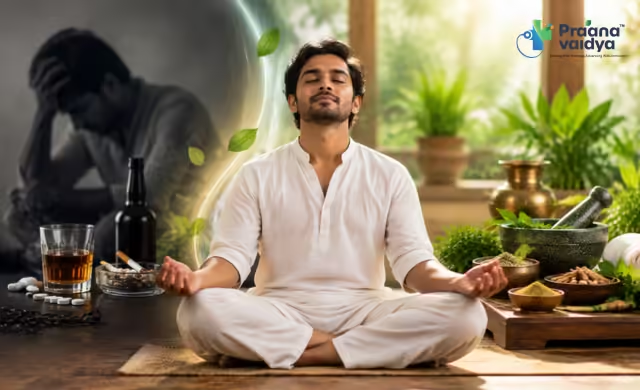
Recovering from substance dependence is a process that can affect the body, mind, relationships, sleep, appetite, and daily routine. Stopping a substance is only one part of recovery; rebuilding healthy habits and maintaining long-term support can also be important.
Ayurveda for De-Addiction takes a holistic approach by focusing on areas such as digestion, sleep, diet, daily routines, stress management, and overall well-being. Traditional Ayurvedic practices may be considered as complementary support during recovery rather than as a replacement for evidence-based addiction treatment.
At Praanavaidya, an individualized approach can help place traditional Ayurvedic practices within a broader wellness plan. For people experiencing substance dependence, withdrawal, or cravings, appropriate medical and psychological care remains essential.
What Is De-Addiction?
De-addiction generally refers to the process of helping a person stop or reduce dependence on a substance or behavior and develop healthier ways of living.
Substance-use disorders can involve:
- Alcohol
- Tobacco and nicotine
- Certain prescription medicines
- Illicit drugs
- Other psychoactive substances
Addiction is not simply a matter of willpower. Dependence can involve changes in brain function, behavior, emotions, and physical health.
Recovery may therefore require more than avoiding the substance. Medical supervision, counseling, behavioral therapies, peer support, family support, and lifestyle changes may all have a role.
How Does Ayurveda View De-Addiction?
Classical Ayurveda does not describe modern substance-use disorders using exactly the same diagnostic framework used in contemporary medicine.
Instead, Ayurvedic approaches traditionally emphasize the relationship between:
- Body and mind
- Diet and digestion
- Daily routine
- Sleep
- Stress
- Individual constitution
- Habits and behavior
- Overall balance
From this perspective, recovery can include rebuilding a stable routine and supporting general physical and mental well-being.
It is important not to interpret these traditional concepts as an explanation for every aspect of addiction or as a substitute for modern addiction medicine.
How Ayurveda May Support Recovery
1. Establishing a Stable Daily Routine
Recovery can become more manageable when daily life develops structure.
An Ayurvedic routine, or Dinacharya, may encourage consistent habits around:
- Waking and sleeping
- Meals
- Personal hygiene
- Physical activity
- Relaxation
- Mindfulness
A predictable routine may help create stability while a person works through the challenges of recovery.
The exact routine should be adapted to the person’s health, work schedule, sleep pattern, and stage of recovery.
2. Supporting Nutritious Eating
Substance use can sometimes be accompanied by irregular meals, poor appetite, dehydration, or inadequate nutrition.
A balanced diet can provide the energy and nutrients needed to support general health during recovery.
An Ayurvedic dietary approach may emphasize freshly prepared foods suited to an individual’s digestive tolerance and needs.
Depending on the person, meals may include:
- Vegetables
- Whole grains
- Pulses
- Fruits
- Nuts and seeds
- Appropriate sources of protein
- Adequate fluids
There is no single Ayurvedic diet that is appropriate for everyone in recovery.
3. Paying Attention to Digestion
Ayurveda places considerable importance on Agni, traditionally understood as the body’s digestive and metabolic capacity.
During recovery, appetite and digestion may change. Some people may experience nausea, constipation, loose stools, bloating, or changes in eating patterns.
Rather than immediately turning to supplements or herbal products, it can be useful to establish regular meals, adequate hydration, and foods that are comfortable to digest.
Persistent digestive symptoms require appropriate medical assessment.
4. Supporting Healthy Sleep
Sleep disturbances are common in many recovery journeys.
A consistent sleep schedule can become an important part of rebuilding daily stability.
Ayurvedic lifestyle practices may include:
- Maintaining a regular bedtime
- Reducing stimulating activities before sleep
- Practicing relaxation techniques
- Gentle breathing practices
- Creating a quiet sleeping environment
- Avoiding irregular late-night meals when they interfere with sleep
If severe or prolonged insomnia occurs during withdrawal or recovery, professional evaluation is important.
5. Stress Management
Stress can be closely connected with substance use and relapse risk for some people.
Ayurveda traditionally emphasizes practices that encourage calmness and balance. These may include meditation, breathing exercises, gentle yoga, self-care routines, and appropriate relaxation practices.
These techniques should complement—not replace—counseling, psychotherapy, medication when indicated, or addiction treatment.
6. Yoga and Mindfulness
Yoga can provide a structured way to work on movement, breathing, relaxation, and body awareness.
Depending on a person’s physical and mental condition, practices may include:
- Gentle yoga
- Breathing exercises
- Meditation
- Mindfulness
- Relaxation techniques
The intensity should be appropriate for the person’s health and recovery stage.
Someone experiencing acute intoxication, severe withdrawal, significant weakness, or other medical complications should receive appropriate clinical care rather than attempting to manage the situation through yoga alone.
Ayurvedic Herbs and De-Addiction
Herbal remedies are sometimes promoted online as natural ways to eliminate cravings or reverse addiction.
Such claims should be approached carefully.
Some Ayurvedic herbs are traditionally used for stress, sleep, digestion, or general well-being, but this does not mean they have been proven to treat substance-use disorders or prevent relapse.
Herbs can also interact with prescription medicines or affect the body in ways that may be unsafe for some people.
Therefore, herbal products should be selected with professional guidance, particularly when a person is taking medication or undergoing addiction treatment.
What About Ayurvedic Panchakarma During Recovery?
Panchakarma is a traditional Ayurvedic therapeutic framework involving specific procedures selected according to an individual’s condition and practitioner assessment.
It is sometimes marketed as a way to “detox” the body from addictive substances.
This wording can be misleading.
The body processes and eliminates many substances through organs such as the liver and kidneys, and medically significant withdrawal may require supervised treatment. Ayurvedic procedures should therefore not be presented as a substitute for medically supervised detoxification.
If Panchakarma or another traditional therapy is considered during recovery, it should be planned around the person’s medical condition and existing treatment.
Ayurveda and Alcohol Recovery
Alcohol dependence can involve significant physical dependence. Abruptly stopping alcohol after prolonged heavy use can sometimes cause serious withdrawal complications.
Symptoms can include:
- Tremors
- Sweating
- Anxiety
- Nausea
- Insomnia
- Rapid heart rate
- Confusion
- Seizures
- Severe agitation
Severe alcohol withdrawal can be life-threatening and requires urgent medical attention.
Ayurvedic diet, yoga, relaxation practices, and other supportive approaches may have a place later in a person’s recovery plan, but they should not be used as a substitute for medically supervised withdrawal management.
Ayurveda and Tobacco De-Addiction
Tobacco and nicotine dependence can be difficult to overcome because nicotine can produce strong cravings and withdrawal symptoms.
An Ayurvedic wellness plan may focus on:
- Establishing structured routines
- Improving dietary habits
- Practicing stress-management techniques
- Maintaining physical activity
- Supporting sleep
- Developing healthier replacement habits
For tobacco cessation, evidence-based cessation support—including behavioral counseling and appropriate medications—can improve the likelihood of successfully stopping.
Ayurvedic practices may be used alongside these approaches when appropriate.
Ayurveda and Drug Recovery
Recovery from drugs can vary greatly depending on the substance, duration of use, amount, and the person’s physical and mental health.
Some substances can produce withdrawal that requires medical supervision.
For this reason, an Ayurvedic wellness program should begin with an understanding of the person’s current medical situation.
Traditional approaches may subsequently focus on nutrition, sleep, stress management, routine, and general recovery support.
Why Individualization Matters
Ayurveda traditionally emphasizes Prakriti, or an individual’s constitutional characteristics, along with current imbalances and lifestyle factors.
In a recovery setting, individualization is especially important because people may differ in:
- Substance used
- Duration of dependence
- Withdrawal history
- Sleep quality
- Appetite
- Digestive function
- Stress levels
- Existing medical conditions
- Current medications
- Recovery environment
A practice that is appropriate for one person may not be appropriate for another.
The Importance of Psychological Support
Addiction recovery is not only physical.
Cravings, anxiety, stress, trauma, depression, social pressures, and habitual patterns can influence recovery.
Professional psychological support may help a person:
- Identify triggers
- Develop coping strategies
- Manage cravings
- Address underlying emotional difficulties
- Improve relationships
- Build relapse-prevention skills
Ayurvedic lifestyle practices can complement this work, but they should not replace appropriate mental-health or addiction care.
Building a Recovery-Friendly Lifestyle
A supportive lifestyle can make healthy choices easier to maintain.
Some practical habits include:
Maintain Regular Meals
Skipping meals can make daily routines less stable and may contribute to fatigue or irritability.
Stay Physically Active
Walking, gentle exercise, yoga, or other suitable activities can support general physical and emotional well-being.
Protect Sleep
Consistent sleep and wake times can help establish routine.
Reduce Exposure to Triggers
Identifying people, places, situations, or emotional states associated with substance use can help a person develop safer strategies.
Stay Connected
Support from family, friends, counselors, support groups, and healthcare professionals can be valuable during recovery.
Create Meaningful Activities
Hobbies, work, learning, exercise, volunteering, and social activities can help create structure beyond substance use.
What Ayurveda Cannot Replace
It is important to distinguish supportive wellness care from addiction treatment.
Ayurvedic practices should not replace:
- Medical detoxification when required
- Emergency treatment
- Addiction medicine
- Prescribed medications
- Psychotherapy
- Counseling
- Peer-support programs
- Psychiatric care when needed
A coordinated approach can allow traditional wellness practices to be considered without compromising necessary medical care.
When Immediate Medical Help Is Needed
Someone experiencing severe withdrawal or a medical emergency should receive urgent professional care.
Warning signs can include:
- Seizures
- Severe confusion
- Hallucinations
- Loss of consciousness
- Severe breathing problems
- Chest pain
- Extreme agitation
- Repeated vomiting
- Severe dehydration
- Suicidal thoughts or behavior
These situations should not be managed at home with Ayurvedic remedies.
How Praanavaidya Can Support a Holistic Recovery Routine
At Praanavaidya, Ayurvedic care can be considered as part of a broader lifestyle and wellness approach.
Depending on the individual’s needs, an Ayurvedic practitioner may focus on areas such as:
- Personalized dietary guidance
- Daily routine
- Sleep habits
- Stress management
- Yoga and relaxation
- Appropriate traditional therapies
- General digestive and lifestyle support
The goal is not to promise a quick “detox” or guaranteed freedom from addiction. Instead, traditional Ayurvedic principles can be incorporated thoughtfully into a recovery-oriented lifestyle while appropriate medical and psychological care continues.
Visit Us in-
Rajajinagar- 08065903133
Hubballi – 08065903145
Indiranagar- 08065903135
Mumbai-08065903118
Yelahanka- 08065903134
Mangaluru-08065903136
Chamrajpet-08065903132
Delhi-08065903140
Lucknow-08065903130
Final Thoughts
Recovery from addiction is a gradual process that involves much more than simply stopping a substance. Nutrition, sleep, daily routine, stress management, physical activity, social support, and psychological care can all contribute to rebuilding a healthier lifestyle.
Ayurveda for De-Addiction can be viewed as a complementary approach that emphasizes individualized routines, balanced nutrition, relaxation, and overall well-being. It should, however, be integrated responsibly with appropriate medical and psychological treatment.
With professional guidance and consistent support, traditional Ayurvedic practices can become part of a broader recovery-oriented lifestyle without replacing the care that addiction recovery may require.
Frequently Asked Questions
1. Can Ayurveda cure addiction?
Ayurveda should not be presented as a standalone cure for addiction. Traditional Ayurvedic practices may provide complementary support for lifestyle, stress management, nutrition, sleep, and general well-being during recovery.
2. Is Ayurvedic treatment safe during addiction recovery?
Safety depends on the person’s health, substance use, withdrawal status, medications, and the specific Ayurvedic treatment. Professional coordination is important, particularly when herbs or intensive therapies are being considered.
3. Can Ayurveda reduce cravings?
Some Ayurvedic lifestyle practices may help support stress management and healthier routines, but there is not sufficient evidence to claim that Ayurvedic remedies reliably eliminate substance cravings.
4. Can Panchakarma detox the body from drugs or alcohol?
Panchakarma should not be considered a replacement for medical detoxification. Withdrawal from certain substances can be dangerous and may require medical supervision.
5. Can yoga help during addiction recovery?
Yoga may support physical activity, relaxation, breathing, and stress management. It is best used as a complementary practice within a broader recovery plan.
6. What foods are recommended during de-addiction?
There is no universal Ayurvedic diet for everyone in recovery. A balanced diet with adequate fluids, vegetables, fruits, whole grains, protein, and other nutrient-rich foods can support general health, with individual adjustments when needed.
7. Can Ayurvedic herbs replace addiction medicines?
No. Ayurvedic herbs should not be used to replace prescribed addiction medicines without guidance from the treating healthcare professional.
8. Is Ayurveda useful for tobacco cessation?
Ayurvedic lifestyle practices may provide supportive habits for stress management and routine building, but evidence-based tobacco-cessation treatments should remain part of care when appropriate.
9. Can Ayurveda help with sleep problems during recovery?
Ayurvedic lifestyle practices may support healthier sleep habits and relaxation. Severe insomnia, particularly during substance withdrawal, should be discussed with a healthcare professional.
10. When should someone seek medical help during de-addiction?
Medical help is especially important when withdrawal may be severe, when there are seizures, confusion, hallucinations, breathing problems, loss of consciousness, severe dehydration, or thoughts of self-harm.
Praanavaidya
Healthcare Professional
Focused on patient-centric care and evidence-based treatment plans.
More from Praanavaidya