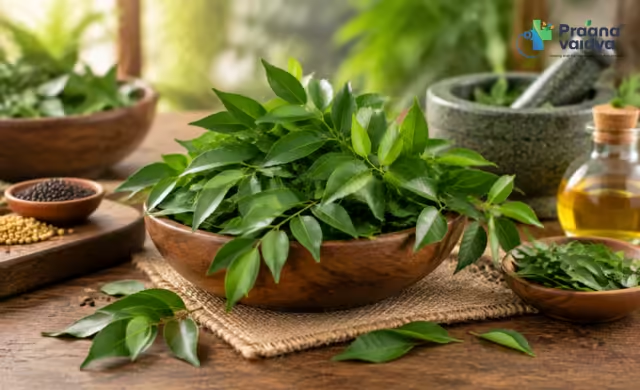
Curry leaves are a familiar ingredient in Indian kitchens, but their importance goes beyond adding aroma and flavor to food. Traditionally used in Indian systems of medicine and cuisine, these small green leaves are valued for their taste, digestive properties, and nourishing qualities.
Curry Leaves in Ayurveda are often discussed as part of a balanced diet rather than as a standalone remedy. They can be used fresh in curries, dals, chutneys, rice dishes, and herbal preparations. Their traditional use reflects the Ayurvedic emphasis on using everyday foods to support digestion and overall well-being.
Praanavaidya recognizes the importance of food choices within a broader Ayurvedic lifestyle. Understanding how ingredients such as curry leaves fit into your diet can help you make more mindful food choices without treating individual foods as cures for health conditions.
What Are Curry Leaves?
Curry leaves come from the curry tree, botanically known as Murraya koenigii. The plant is native to South Asia and is widely cultivated in India and other tropical regions.
In Indian cooking, the leaves are commonly added to hot oil along with ingredients such as mustard seeds, cumin, dried chilies, or other spices. This process, known as tempering or tadka, releases their distinctive aroma.
The leaves can also be:
- Added to chutneys
- Mixed into vegetable preparations
- Used in lentil dishes
- Added to rice recipes
- Included in soups and rasam
- Consumed as part of traditional food preparations
While curry leaves are sometimes described as a “superfood,” it is more useful to think of them as a nutrient-containing culinary herb that can contribute to dietary variety.
Curry Leaves in Ayurveda
Ayurvedic traditions have long incorporated plants, herbs, spices, fruits, and vegetables into food and wellness practices. Curry Leaves in Ayurveda are traditionally associated with qualities that may support digestion and balance when used appropriately.
Ayurvedic interpretation can vary depending on the individual, preparation, quantity, and overall dietary pattern. Therefore, curry leaves should not be considered universally suitable or unsuitable for every person.
Their traditional value is particularly connected with their aromatic nature and use in meals.
Nutritional Value of Curry Leaves
Curry leaves contain several naturally occurring nutrients and plant compounds. They also provide small amounts of vitamins and minerals when consumed as part of food.
Because curry leaves are generally eaten in relatively small quantities, they should not be viewed as a major source of any single nutrient. Their contribution is better understood as part of an overall varied diet.
They also contain plant compounds with antioxidant activity that have been investigated in laboratory and nutritional research.
This is one reason curry leaves continue to attract interest beyond their traditional culinary use.
Potential Benefits of Curry Leaves
1. May Support Healthy Digestion
Curry leaves have traditionally been included in meals to support digestion. Their aromatic qualities and use alongside spices make them a common part of digestive-friendly Indian food preparations.
From an Ayurvedic perspective, maintaining healthy digestion is an important part of overall well-being.
However, persistent indigestion, abdominal pain, vomiting, or significant changes in bowel habits should not be managed only with dietary herbs.
2. Provides Plant-Based Antioxidant Compounds
Curry leaves contain several phytochemicals that have antioxidant properties. Antioxidants help protect cells from oxidative damage as part of the body’s normal biological processes.
Research on curry leaf compounds is ongoing, and findings from laboratory or animal studies should not automatically be interpreted as proven therapeutic effects in humans.
3. Adds Flavor Without Depending on Excess Salt
One practical benefit of curry leaves is culinary rather than medicinal.
Their strong aroma allows them to add depth and flavor to meals. Using herbs and spices for flavor can make it easier to prepare varied meals without relying heavily on salt or highly processed flavoring products.
4. Traditionally Used for Hair and Scalp Care
Curry leaves are widely used in traditional hair-care practices. They may be incorporated into hair oils or other preparations.
You may come across claims that curry leaves can reverse hair loss or restore grey hair. These claims should be treated cautiously. Eating curry leaves as part of a nutritious diet does not guarantee changes in hair growth or pigmentation.
Hair loss can have many causes, including nutritional deficiencies, hormonal changes, genetics, scalp conditions, and certain medical conditions. Persistent hair loss should be evaluated appropriately.
5. Can Add Variety to a Balanced Diet
A healthy diet is built from a variety of foods rather than one “superfood.”
Curry leaves can contribute flavor, plant compounds, and dietary variety when included alongside vegetables, legumes, whole grains, fruits, nuts, seeds, and appropriate protein sources.
Curry Leaves and Ayurvedic Digestion
Digestion, or Agni, has an important place in Ayurvedic philosophy. Ayurveda traditionally considers the strength and quality of digestion when discussing food choices.
Curry leaves are commonly incorporated into cooked meals rather than consumed as a large quantity of raw leaves. Their use alongside other spices and ingredients reflects the traditional Indian approach of combining foods according to taste, preparation, season, and individual needs.
This does not mean curry leaves can “boost Agni” in every person. Ayurvedic dietary recommendations are traditionally individualized.
How to Use Curry Leaves in Everyday Food
You do not need a complicated preparation to include curry leaves in your diet.
Curry Leaf Tempering
Add fresh curry leaves to a small amount of heated cooking oil along with suitable tempering ingredients. The leaves can then be added to dal, vegetables, rasam, or other dishes.
Curry Leaf Chutney
Fresh curry leaves can be combined with ingredients such as coconut, lentils, spices, and other herbs to make a flavorful chutney.
Curry Leaf Rice
Curry leaves can be ground with spices and mixed with cooked rice for a simple traditional preparation.
Add Them to Dal and Vegetables
One of the easiest options is simply adding fresh curry leaves during cooking. This provides their aroma without requiring a separate herbal preparation.
Should You Eat Curry Leaves Raw?
Curry leaves can be eaten fresh, but there is no requirement to consume them raw to obtain their culinary or nutritional value.
For many people, incorporating them into regularly prepared meals is a practical approach.
If raw herbs cause digestive discomfort, using them cooked may be more comfortable. Individual tolerance matters more than following a universal rule.
Curry Leaves for Hair: Food vs Traditional Hair Care
Curry leaves are often associated with traditional hair-care routines.
There are two different ways to understand this:
Dietary use: Curry leaves can contribute small amounts of nutrients and plant compounds as part of a balanced diet.
Topical use: Curry leaves may be included in traditional hair oils or scalp preparations.
These should not be confused with clinically established treatments for hair loss.
If someone has sudden, severe, or persistent hair shedding, bald patches, scalp inflammation, or other unusual changes, identifying the underlying cause is more important than relying on a single herb.
Can Curry Leaves Help With Blood Sugar?
Curry leaves are sometimes promoted online as a natural way to lower blood sugar.
Some experimental research has investigated curry leaf extracts and their possible effects on glucose metabolism. However, this does not establish that eating curry leaves can treat diabetes or replace prescribed medication.
People taking diabetes medication should not change their treatment based on herbal claims alone.
Curry leaves can be included as part of a balanced meal pattern, but they should not be presented as a substitute for diabetes care.
Curry Leaves and Weight Management
Curry leaves are sometimes included in weight-loss drinks and homemade remedies.
There is no need to treat curry leaves as a fat-burning ingredient. Weight management depends on the overall pattern of food intake, physical activity, sleep, stress, metabolic health, and other individual factors.
Using curry leaves to make nutritious meals more flavorful can be helpful, but the leaves themselves should not be expected to cause significant weight loss.
Are Curry Leaves Safe for Everyone?
Curry leaves are commonly used as a culinary ingredient and are generally well tolerated when consumed as food.
However, more concentrated herbal preparations can behave differently from normal dietary quantities.
Extra caution may be appropriate if you:
- Are pregnant or breastfeeding
- Take regular medications
- Have a chronic medical condition
- Have a history of food or plant allergies
- Plan to consume concentrated curry leaf extracts
If you are considering curry leaf supplements or concentrated herbal preparations, discuss them with a qualified healthcare professional or Ayurvedic practitioner.
Curry Leaves vs Curry Powder
These two terms can sometimes cause confusion.
Curry leaves are fresh leaves from the curry tree and are commonly used in South Indian and other regional cuisines.
Curry powder is a spice blend that can contain ingredients such as turmeric, coriander, cumin, fenugreek, chili, and other spices.
They are not interchangeable and have different flavors and compositions.
What Does Ayurveda Teach Us About Everyday Foods?
One of the broader lessons from Ayurveda is that health is not necessarily built around a handful of special ingredients.
Daily food choices, meal timing, digestion, sleep, activity, seasonal changes, and individual constitution can all be considered together.
This makes ingredients such as curry leaves interesting not because they are a miracle food, but because they demonstrate how traditional food culture incorporates herbs and spices into everyday meals.
How Praanavaidya Approaches Ayurvedic Nutrition
At Praanavaidya, Ayurvedic nutrition can be considered within the context of an individual’s overall lifestyle and needs.
Rather than recommending one ingredient for everyone, an Ayurvedic approach may consider factors such as Prakriti, digestive patterns, dietary habits, age, lifestyle, and seasonal changes.
Curry leaves can be a simple addition to traditional meals, but their role should be understood as part of the broader diet.
If you have a specific health concern, individualized guidance from a qualified practitioner is more appropriate than relying on online claims about a single food or herb.
Visit Us in-
Rajajinagar- 08065903133
Hubballi – 08065903145
Indiranagar- 08065903135
Mumbai-08065903118
Yelahanka- 08065903134
Mangaluru-08065903136
Chamrajpet-08065903132
Delhi-08065903140
Lucknow-08065903130
Final Thoughts
Curry leaves may be one of the most overlooked ingredients in the Indian kitchen. Their strong aroma, traditional culinary role, and naturally occurring plant compounds make them a useful addition to everyday meals.
Curry Leaves in Ayurveda are best understood within the larger Ayurvedic approach to food, digestion, lifestyle, and individual needs. Instead of relying on curry leaves as a standalone remedy, consider using them as one small part of a varied and balanced diet.
For specific health concerns, individualized Ayurvedic guidance can help determine how dietary choices fit into your broader wellness routine.
Frequently Asked Questions
1. What Are Curry Leaves Called in Ayurveda?
Curry leaves are commonly known as Murraya koenigii in botanical terminology and are also widely called kadi patta or karivepaku in Indian languages. Their traditional use varies across regional practices.
2. What Are the Benefits of Curry Leaves?
Curry leaves provide aromatic plant compounds and can contribute to dietary variety. Traditionally, they are also associated with digestive and hair-care practices.
3. Can I Eat Curry Leaves Every Day?
Curry leaves can generally be included in everyday meals as a culinary ingredient if you tolerate them well. There is no universal requirement to consume a specific quantity daily.
4. Are Curry Leaves Good for Digestion?
Curry leaves have traditionally been used in meals associated with digestion. However, persistent digestive symptoms should be evaluated rather than treated solely with curry leaves.
5. Can Curry Leaves Prevent Grey Hair?
There is not enough evidence to conclude that eating curry leaves can prevent or reverse grey hair. Hair pigmentation is influenced by several biological and genetic factors.
6. Can Curry Leaves Help With Hair Growth?
Curry leaves are used traditionally in hair-care practices, but strong clinical evidence that curry leaves alone promote hair growth is limited. Persistent hair loss should be evaluated for its underlying cause.
7. Can People With Diabetes Eat Curry Leaves?
Curry leaves can generally be part of a balanced diet, but they should not replace diabetes medication or professional medical advice. People taking glucose-lowering medication should be cautious about concentrated herbal products.
8. Are Curry Leaves Better Raw or Cooked?
Both forms can be used, depending on preference and tolerance. Adding curry leaves to cooked dishes is one of the simplest traditional ways to consume them.
9. Can Curry Leaves Help With Weight Loss?
Curry leaves should not be considered a weight-loss treatment. They can add flavor to nutritious meals, while healthy weight management depends on the overall diet and lifestyle.
10. Are Curry Leaves a Superfood?
Curry leaves contain useful plant compounds and can be part of a nutritious diet, but calling them a “superfood” should not imply that they can prevent or cure diseases.
Praanavaidya
Healthcare Professional
Focused on patient-centric care and evidence-based treatment plans.
More from Praanavaidya