
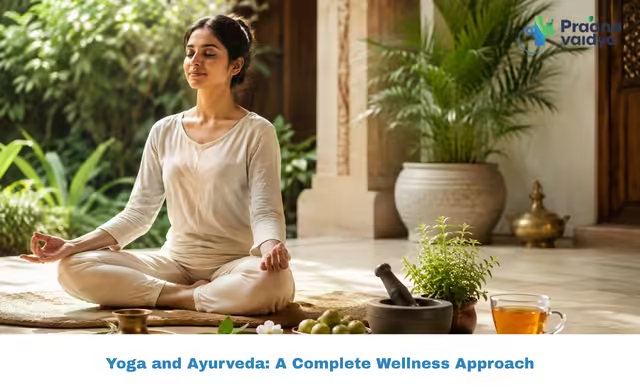
Yoga and Ayurveda are two traditional Indian systems that have long been associated with physical, mental, and lifestyle well-being. Although they have different primary focuses, they can complement each other when incorporated thoughtfully into everyday life.
Ayurveda traditionally focuses on maintaining health through personalised approaches involving diet, daily routines, seasonal practices, lifestyle, and consideration of the individual’s constitution. Yoga incorporates physical postures, breathing practices, concentration, and meditation.
Together, they can provide a structured approach to developing healthier daily habits.
However, Ayurveda and yoga should not be treated as interchangeable or as guaranteed treatments for medical conditions. Their appropriate use depends on the individual’s health, physical ability, and specific needs.
At Praanavaidya, consultation can help people understand how Ayurvedic lifestyle principles and suitable yoga practices may be incorporated into an individual wellness routine.
What Is the Connection Between Yoga and Ayurveda?
Yoga and Ayurveda developed within the broader traditional knowledge systems of India.
Their approaches overlap in several areas, including:
- Lifestyle discipline
- Mind-body awareness
- Daily routines
- Breath regulation
- Meditation
- Self-awareness
- Maintaining balance
Ayurveda traditionally provides guidance on how to structure aspects of daily life, while yoga offers practices that can involve movement, breathing, and mental focus.
This makes them complementary rather than identical systems.
How Does Ayurveda Differ From Yoga?
Understanding their individual roles helps explain why they are often discussed together.
Ayurveda
Ayurveda traditionally focuses on:
- Diet
- Digestion
- Lifestyle
- Daily routine
- Seasonal routine
- Prakriti
- Vikriti
- Dosha balance
- Herbal preparations
- Preventive health practices
Yoga
Yoga commonly includes:
- Asana
- Pranayama
- Meditation
- Concentration
- Relaxation
- Mindfulness
- Physical movement
In simple terms, Ayurveda can help guide how you organise aspects of daily living, while yoga provides practices for movement, breathing, concentration, and mental well-being.
What Are the Benefits of Combining Yoga and Ayurveda?
When appropriately adapted to the individual, combining these traditions may support several aspects of everyday wellness.
1. Encourages a Consistent Routine
Ayurveda places importance on regular daily habits.
A consistent yoga practice can become part of this routine.
Practising at a similar time each day may make it easier to develop a sustainable habit.
2. Supports Physical Activity
Yoga provides a form of movement that can be adapted to different abilities.
Depending on the practice, yoga may involve:
- Flexibility
- Balance
- Mobility
- Strength
- Postural awareness
The appropriate intensity depends on age, fitness, health, and experience.
3. Supports Relaxation
Breathing practices and meditation are commonly incorporated into yoga.
These practices may help people develop greater awareness of breathing and relaxation.
A calmer routine can also support healthy sleep and stress-management habits.
4. Encourages Mindful Living
Ayurveda traditionally encourages awareness of factors such as:
- Hunger
- Digestion
- Sleep
- Seasonal changes
- Daily routine
- Lifestyle habits
Yoga can complement this through increased awareness of the body and mind.
Yoga According to the Three Doshas
One interesting Ayurvedic approach is adapting lifestyle and yoga practices according to Vata, Pitta, and Kapha.
Doshas are traditional Ayurvedic concepts and should not be interpreted as modern medical diagnoses.
The objective is not to label every person permanently but to consider which qualities may currently be prominent.
Yoga for Vata
Vata is traditionally associated with qualities such as:
- Lightness
- Dryness
- Coldness
- Movement
- Irregularity
When Vata qualities are prominent, a calmer and more grounding yoga routine may be preferred.
Suitable Practices May Include
- Gentle Hatha Yoga
- Slow Sun Salutations
- Gentle standing postures
- Seated stretches
- Restorative postures
- Relaxation practices
- Gentle breathing exercises
A highly irregular or excessively intense routine may not be suitable for someone already experiencing fatigue or instability.
Consistency can be more useful than intensity.
Yoga for Pitta
Pitta is traditionally associated with:
- Heat
- Intensity
- Sharpness
- Transformation
When Pitta qualities are prominent, yoga may be approached with an emphasis on moderation and cooling.
Possible Practices Include
- Gentle Hatha Yoga
- Moderate stretching
- Moon-focused practices
- Relaxation
- Meditation
- Gentle breathing exercises
Very competitive or excessively heated yoga sessions may not be suitable for someone who already experiences significant heat or irritability.
The emphasis can be on calmness rather than performance.
Yoga for Kapha
Kapha is traditionally associated with:
- Heaviness
- Stability
- Coolness
- Slowness
- Moisture
When Kapha qualities are prominent, a more active practice may be preferred.
Possible Practices Include
- Dynamic Sun Salutations
- Standing postures
- Active Hatha Yoga
- Flow-based sequences
- Moderate strengthening exercises
- Energising breathing practices where appropriate
The goal is to encourage movement without overexertion.
What Role Does Pranayama Play?
Pranayama refers broadly to traditional yogic breathing practices.
Breathing practices can be incorporated into an Ayurvedic lifestyle routine depending on the individual’s needs.
Different techniques have different traditional purposes and effects.
A beginner should learn unfamiliar or intense breathing techniques from a qualified instructor rather than attempting advanced practices independently.
People with respiratory, cardiovascular, neurological, or other health conditions should seek appropriate professional guidance before starting intensive breathing practices.
Yoga and Ayurveda for Stress Management
Modern lifestyles can involve long working hours, screen exposure, irregular meals, insufficient sleep, and ongoing mental demands.
Yoga and Ayurveda may offer complementary lifestyle strategies.
Ayurvedic routines may emphasise:
- Regular meals
- Consistent sleep
- Appropriate daily activity
- Relaxation
- Seasonal adjustments
Yoga may add:
- Asana
- Pranayama
- Meditation
- Relaxation exercises
Together, these practices can create a structured wellness routine.
They should not, however, be presented as replacements for professional mental-health treatment when someone is experiencing significant psychological symptoms.
Yoga and Ayurveda for Better Sleep Habits
Ayurveda traditionally places importance on maintaining appropriate sleep routines.
Yoga may complement this through gentle evening practices.
A calming bedtime routine might include:
- Reducing stimulating screen exposure.
- Completing a gentle stretching session.
- Practising comfortable breathing.
- Spending a few minutes in meditation.
- Going to bed at a consistent time.
Very intense exercise immediately before bedtime may not be comfortable for everyone.
Yoga and Ayurveda for Digestion
Digestion, traditionally referred to as Agni, is an important concept in Ayurveda.
Ayurvedic lifestyle guidance may emphasise:
- Regular meals
- Eating according to appetite
- Appropriate food combinations
- Seasonal eating
- Adequate rest
- Avoiding unnecessary overeating
Gentle movement after meals may also support an active lifestyle.
However, intense yoga immediately after eating is generally uncomfortable and should be avoided.
Persistent abdominal pain, vomiting, unexplained weight loss, blood in stool, or other concerning digestive symptoms require medical assessment.
Yoga as Part of Dinacharya
Dinacharya refers to the Ayurvedic concept of a daily routine.
Yoga can become one component of such a routine.
A simple morning routine might include:
- Waking at a consistent time
- Personal hygiene
- Hydration
- Gentle movement
- Yoga
- Breathing exercises
- Meditation
- Breakfast according to individual needs
The routine does not have to be complicated.
A sustainable 15–30 minute practice may be more realistic than an intense routine that is difficult to maintain.
Should Everyone Follow the Same Yoga Routine?
No.
Yoga practice should consider individual factors such as:
- Age
- Fitness level
- Flexibility
- Previous injuries
- Pregnancy
- Existing medical conditions
- Current energy level
- Experience with yoga
Ayurveda additionally considers individual constitution and current balance.
A beginner should not attempt advanced postures simply because they are traditionally associated with a particular Dosha.
Common Mistakes When Combining Yoga and Ayurveda
Following Dosha Advice Without Assessment
Online Dosha quizzes can provide general information but cannot replace personalised assessment.
Doing Excessively Intense Yoga
More exercise does not automatically mean better health.
Ignoring Physical Limitations
Pain should not simply be pushed through during a yoga session.
Starting Multiple Practices at Once
Introducing numerous dietary, herbal, and yoga changes simultaneously makes it difficult to understand what is helping or causing discomfort.
Treating Yoga as a Cure-All
Yoga can support physical activity, relaxation, and well-being, but it should not replace necessary medical treatment.
Final Thoughts
Yoga and Ayurveda can complement each other as part of a balanced lifestyle. Ayurveda traditionally provides a framework for understanding individual constitution, diet, daily routine, seasonal habits, and overall well-being, while yoga offers practices involving movement, breathing, relaxation, and mental focus.
Adapting these practices to the individual can make them more practical and sustainable. A calming routine may be appropriate when grounding is needed, while a more active practice may suit someone who needs greater movement and stimulation.
The key is not to follow every Ayurvedic or yogic recommendation available online. Instead, focus on practices that are appropriate for your physical condition, lifestyle, experience, and current needs.
At Praanavaidya, consultation can help you explore how Ayurvedic principles, daily routines, dietary habits, and suitable yoga practices can be incorporated into a personalised wellness approach.
Visit Us in-
Rajajinagar- 08065903133
Hubballi – 08065903145
Indiranagar- 08065903135
Mumbai-08065903118
Yelahanka- 08065903134
Mangaluru-08065903136
Chamrajpet-08065903132
Delhi-08065903140
Lucknow-08065903130
Frequently Asked Questions
What is the relationship between yoga and Ayurveda?
Yoga and Ayurveda are complementary traditional systems. Ayurveda focuses broadly on lifestyle, diet, daily routine, and individual constitution, while yoga includes practices such as asana, pranayama, meditation, and concentration.
Can yoga and Ayurveda be practised together?
Yes. Yoga can be incorporated into an Ayurvedic daily routine when the practices are appropriate for the individual’s health, fitness, and needs.
Which yoga is best according to Ayurveda?
There is no single yoga routine that is best for everyone. Traditional Ayurvedic principles may guide whether a practice should be more grounding, cooling, calming, or stimulating according to individual needs.
What yoga is suitable for Vata?
Gentle, slow, grounding, and consistent practices are traditionally considered more suitable when Vata qualities are prominent.
Can yoga improve digestion?
Yoga provides movement and may support an active lifestyle, while Ayurveda traditionally emphasises appropriate food habits and digestive routines. Persistent digestive symptoms should be medically evaluated.
Can yoga help with stress?
Yoga practices involving movement, breathing, relaxation, and meditation may support stress management and overall well-being. Significant or persistent mental-health concerns require appropriate professional support.
Praanavaidya
Healthcare Professional
Focused on patient-centric care and evidence-based treatment plans.
More from Praanavaidya