Have you ever experienced dry skin that doesn’t improve with moisturisers, irregular digestion, bloating, difficulty sleeping, or a mind that constantly jumps from one thought to another? While these symptoms may have many possible causes, Ayurveda views them through a unique lens—one of the body’s fundamental energies known as Vata Dosha.
Among the three Doshas—Vata, Pitta, and Kapha—Vata is considered the force that governs movement. From breathing and circulation to nerve impulses, speech, and even thoughts, almost every movement within the body is influenced by Vata. Because of this, an imbalance in Vata Dosha can affect multiple body systems simultaneously.
Ayurveda believes that maintaining balanced Doshas is essential for good health. When Vata Dosha becomes excessive due to lifestyle, diet, ageing, or environmental factors, it may contribute to physical discomfort as well as emotional instability.
At Praanavaidya, Ayurvedic physicians evaluate each person’s constitution, current Dosha balance, digestion, lifestyle, and medical history before developing a personalised treatment plan. Rather than simply managing symptoms, the goal is to restore balance and support long-term wellness.
This guide explains the importance of Vata Dosha, its functions, signs of imbalance, possible causes, and Ayurvedic approaches that help maintain harmony within the body.
What Is Vata Dosha?
Vata Dosha is formed from the elements of air (Vayu) and space (Akasha).
It is responsible for every type of movement in the body, including both physical and mental activity.
According to Ayurveda, Vata controls:
- Breathing
- Blood circulation
- Movement of muscles and joints
- Nervous system function
- Speech
- Elimination of waste
- Sensory perception
- Mental activity
Because movement is essential for life, Ayurveda considers Vata Dosha the driving force behind the other two Doshas.
Qualities of Vata Dosha
Understanding the natural qualities of Vata helps explain why certain symptoms appear when it becomes imbalanced.
Vata is traditionally described as:
- Dry
- Light
- Cold
- Rough
- Mobile
- Subtle
- Quick
These qualities influence both body and mind.
For example, excessive dryness may contribute to dry skin or constipation, while excessive mobility may manifest as restlessness or racing thoughts.
Characteristics of a Vata Body Type
People with naturally dominant Vata Dosha often have certain physical and personality traits.
They may:
- Have a lean body frame
- Gain weight with difficulty
- Have dry skin and hair
- Feel cold easily
- Be energetic but tire quickly
- Learn new things rapidly
- Be creative and imaginative
- Prefer variety and change
- Experience irregular appetite
Not everyone displays all these traits, as most people have a combination of all three Doshas.
Important Functions of Vata Dosha
Balanced Vata Dosha supports numerous essential functions.
Nervous System Activity
Vata governs communication between the brain and the rest of the body.
Healthy nerve function depends on balanced Vata.
Respiration
Breathing is considered one of Vata’s primary functions.
It regulates the movement of air into and out of the lungs.
Circulation
The movement of blood and nutrients throughout the body is also influenced by Vata.
Digestion
Although Pitta performs digestion, Vata controls the movement of food through the digestive tract.
Elimination
Healthy bowel movements and urination depend upon balanced Vata.
Mental Activity
Memory, creativity, enthusiasm, communication, and quick thinking are associated with healthy Vata.
Why Does Vata Dosha Become Imbalanced?
Several modern lifestyle habits can aggravate Vata Dosha.
Irregular Meal Timings
Skipping meals or eating at inconsistent times can disturb digestive rhythm.
Inadequate Sleep
Late nights and insufficient sleep may increase Vata.
Excessive Travelling
Frequent travel, especially by air, is traditionally believed to aggravate Vata because of its mobile qualities.
Chronic Stress
Continuous worry, anxiety, or mental overactivity may contribute to Vata imbalance.
Cold and Dry Weather
Seasonal changes, particularly autumn and early winter, naturally increase Vata according to Ayurveda.
Excessive Physical Activity
Overexercising without proper nourishment may disturb Vata balance.
Common Signs of Vata Dosha Imbalance
An aggravated Vata Dosha may present differently in each individual.
Common symptoms include:
- Dry skin
- Dry hair
- Constipation
- Bloating
- Gas
- Joint stiffness
- Cracking joints
- Poor circulation
- Cold hands and feet
- Difficulty sleeping
- Restlessness
- Anxiety
- Difficulty concentrating
- Irregular appetite
- Fatigue
These symptoms are not unique to Vata imbalance and should not replace a medical diagnosis.
How Ayurveda Identifies Vata Imbalance
Rather than relying on symptoms alone, Ayurvedic physicians perform a comprehensive evaluation.
This includes:
- Body constitution (Prakriti)
- Current Dosha imbalance (Vikriti)
- Digestive strength (Agni)
- Presence of Ama
- Sleep quality
- Stress levels
- Dietary habits
- Lifestyle
- Existing medical conditions
- Current medications
The assessment helps determine whether Vata is the primary Dosha involved.
Ayurvedic Approaches to Balancing Vata Dosha
Ayurveda aims to balance Vata by introducing qualities that are opposite to its nature—warmth, nourishment, stability, and regularity.
Personalised Ayurvedic Medicines
Herbal medicines are prescribed only after individual assessment.
The physician considers:
- Age
- Dosha imbalance
- Digestive health
- Existing illnesses
- Current medications
Medicines should never be self-prescribed.
Abhyanga (Therapeutic Oil Massage)
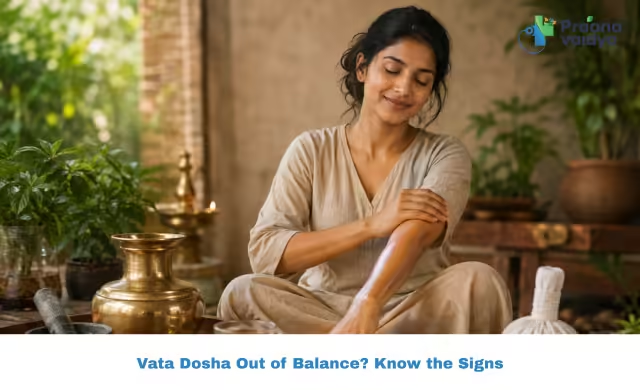
Abhyanga is one of the most commonly recommended therapies for balancing Vata Dosha.
Warm medicated oils are gently massaged over the body to support:
- Relaxation
- Healthy circulation
- Muscle comfort
- Skin nourishment
- Vata balance
Basti Therapy
Among all Panchakarma procedures, Basti is considered the principal treatment for Vata disorders.
It involves physician-supervised administration of medicated enemas prepared according to Ayurvedic principles.
Classical texts regard Basti as one of the most effective therapies for balancing aggravated Vata.
Shirodhara
For individuals experiencing stress, mental fatigue, or disturbed sleep, Shirodhara may be recommended as part of a personalised treatment plan.
Foods That Support Healthy Vata
Although diet varies according to each person’s constitution, Ayurveda generally encourages foods that help counter Vata’s dry and cold qualities.
Examples include:
- Warm freshly prepared meals
- Cooked vegetables
- Whole grains
- Healthy fats in moderation
- Warm herbal beverages
- Easily digestible foods
Individuals may also be advised to reduce excessive intake of very cold, dry, or processed foods based on their assessment.
Daily Habits That Help Balance Vata
Simple lifestyle practices often make a significant difference.
Ayurvedic physicians commonly recommend:
- Eating meals at regular times
- Sleeping before 10 pm
- Waking up at a consistent time
- Gentle yoga and stretching
- Meditation
- Deep breathing practices
- Daily self-oil massage where appropriate
- Maintaining a predictable routine
Consistency is considered one of the most effective ways to calm aggravated Vata.
Can Vata Dosha Affect Emotional Well-being?
Yes.
Ayurveda recognises a close connection between the mind and body.
When Vata Dosha becomes aggravated, some individuals may experience:
- Nervousness
- Restlessness
- Fearfulness
- Mood fluctuations
- Difficulty relaxing
- Poor concentration
Along with appropriate medical care when needed, Ayurvedic therapies and healthy routines may help support emotional balance.
Conclusion
Vata Dosha is the dynamic force that governs movement, communication, circulation, and nervous system activity throughout the body. When balanced, it supports creativity, flexibility, healthy digestion, and efficient bodily functions. However, irregular routines, stress, poor sleep, excessive travel, and improper diet can disturb this delicate balance, leading to symptoms that affect both physical and emotional well-being.
Ayurveda approaches Vata Dosha holistically by identifying the root cause of imbalance and restoring harmony through personalised herbal medicines, nourishing therapies, balanced nutrition, Panchakarma, and sustainable lifestyle practices.
At Praanavaidya, experienced Ayurvedic physicians provide comprehensive consultations to understand each person’s constitution and health concerns before designing an individualised treatment plan. If you frequently experience dryness, bloating, constipation, anxiety, disturbed sleep, or other symptoms that may be associated with Vata Dosha, seeking professional Ayurvedic guidance can help you take meaningful steps toward long-term balance and overall wellness.
Visit Us in-
Rajajinagar- 08065903133
Hubballi – 08065903145
Indiranagar- 08065903135
Mumbai-08065903118
Yelahanka- 08065903134
Mangaluru-08065903136
Chamrajpet-08065903132
Delhi-08065903140
Lucknow-08065903130
Frequently Asked Questions
Is Vata Dosha the most important Dosha?
All three Doshas are essential. However, Ayurveda often describes Vata Dosha as the force responsible for movement, influencing many bodily functions.
Can Vata imbalance cause constipation?
According to Ayurveda, aggravated Vata may contribute to dryness and irregular bowel movements, making constipation a common concern in some individuals.
Is Basti recommended for everyone?
No. Basti is performed only after a detailed evaluation by a qualified Ayurvedic physician and is not suitable for every individual.
Can diet alone balance Vata?
Diet plays an important role, but some people may also benefit from Ayurvedic therapies, herbal medicines, and lifestyle changes depending on the severity of the imbalance.
Does ageing naturally increase Vata?
Yes. Ayurveda considers later stages of life to be naturally Vata-dominant, which is why maintaining healthy daily routines becomes increasingly important with age.
Praanavaidya
Healthcare Professional
Focused on patient-centric care and evidence-based treatment plans.
More from Praanavaidya