
Have you ever wondered why some people naturally feel warm, become irritated quickly, experience frequent acidity, or develop skin problems more easily than others? According to Ayurveda, these tendencies may be influenced by Pitta Dosha, one of the three fundamental energies that govern the body and mind.
Ayurveda believes that every individual has a unique combination of Vata, Pitta, and Kapha Doshas. These Doshas regulate everything from digestion and metabolism to emotions, sleep, immunity, and overall well-being. When they remain balanced, the body functions efficiently. However, when one Dosha becomes excessive or depleted, various health concerns may arise.
Pitta Dosha is primarily associated with transformation. It governs digestion, body temperature, metabolism, vision, intelligence, and many biochemical processes. While balanced Pitta supports strong digestion, healthy skin, and sharp thinking, an aggravated Pitta may contribute to excessive body heat, acidity, inflammatory conditions, irritability, and disturbed sleep.
At Praanavaidya, Ayurvedic physicians evaluate each individual’s body constitution (Prakriti), Dosha imbalance (Vikriti), digestive health, lifestyle, and medical history before recommending personalised treatment. Instead of focusing only on symptoms, Ayurveda aims to restore internal balance through diet, herbal medicines, Panchakarma, and lifestyle modifications.
In this article, you’ll learn what Pitta Dosha is, its functions, common causes of imbalance, symptoms, and Ayurvedic approaches that help maintain healthy Pitta.
What Is Pitta Dosha?
Pitta Dosha represents the elements of fire (Agni) and water (Jala). It is responsible for all transformation processes within the body.
Pitta controls:
- Digestion
- Metabolism
- Body temperature
- Hormonal activity
- Vision
- Skin complexion
- Intelligence
- Appetite
- Understanding and decision-making
Unlike Vata, which governs movement, or Kapha, which provides structure and stability, Pitta acts as the body’s metabolic engine.
Balanced Pitta Dosha supports efficient digestion, healthy energy levels, and clear thinking.
Characteristics of People with Pitta Dosha
People with a naturally dominant Pitta Dosha often display certain physical and mental characteristics.
They may have:
- Moderate body build
- Warm body temperature
- Good appetite
- Strong digestion
- Sharp memory
- Clear speech
- Leadership qualities
- Goal-oriented personality
- Efficient decision-making skills
While these are positive traits, they may also become impatient, competitive, or easily frustrated when Pitta becomes aggravated.
Functions of Pitta Dosha
Ayurveda describes numerous important functions of Pitta Dosha.
These include:
Digestion
Pitta regulates digestive enzymes and helps break down food efficiently.
Healthy Pitta supports proper nutrient absorption and energy production.
Metabolism
It governs metabolic activities throughout the body, including tissue nourishment and cellular transformation.
Body Temperature
Pitta helps maintain normal internal body heat.
When balanced, it supports healthy physiological functioning.
Vision
Ayurveda associates one subtype of Pitta, called Alochaka Pitta, with visual perception and eye health.
Skin Health
Balanced Pitta contributes to healthy skin colour and complexion.
Mental Clarity
Pitta supports intelligence, concentration, analytical thinking, confidence, and decision-making.
What Causes Pitta Dosha to Become Imbalanced?
Many everyday habits may aggravate Pitta Dosha.
Common contributing factors include:
Excessively Spicy Foods
Very spicy meals may increase internal heat and aggravate Pitta.
Hot Weather
Long exposure to intense sunlight and high temperatures may disturb Pitta balance.
Irregular Eating Habits
Skipping meals or eating at inconsistent times may affect digestion and Pitta regulation.
Stress
Persistent anger, frustration, competitiveness, and emotional stress may aggravate Pitta.
Excess Alcohol
Alcohol is considered heating in Ayurveda and may increase Pitta.
Fried and Oily Foods
Frequent consumption of heavy, oily foods may disturb digestion.
Inadequate Sleep
Poor sleep may affect overall Dosha balance and contribute to irritability.
Signs of Pitta Dosha Imbalance
When Pitta Dosha becomes aggravated, symptoms may vary from person to person.
Common signs include:
- Feeling excessively warm
- Frequent acidity
- Heartburn
- Burning sensation
- Excessive thirst
- Skin rashes
- Acne
- Redness of the skin
- Mouth ulcers
- Irritability
- Anger
- Increased sweating
- Premature greying of hair
- Loose stools in some individuals
These symptoms do not necessarily confirm a Pitta imbalance, as they may also occur due to medical conditions that require proper diagnosis.
Ayurvedic Treatment for Pitta Dosha Imbalance
The treatment approach depends entirely on the individual’s health status and the severity of the imbalance.
Personalised Ayurvedic Medicines
Herbal medicines are prescribed after evaluating:
- Dosha imbalance
- Digestive health
- Existing illnesses
- Age
- Current medications
Self-medication is discouraged because treatment varies significantly between individuals.
Panchakarma Therapies
When appropriate, Ayurvedic physicians may recommend Panchakarma therapies.
Diet Tips for Balancing Pitta Dosha
Diet is considered an important aspect of Ayurvedic care.
General recommendations may include:
Choose Freshly Prepared Foods
Fresh meals are generally preferred over heavily processed foods.
Stay Hydrated
Adequate hydration supports overall health.
Include Seasonal Fruits and Vegetables
A balanced diet rich in fresh produce provides essential nutrients.
Avoid Overeating
Eating moderate portions helps support healthy digestion.
Follow Regular Meal Timings
Consistent eating habits support digestive balance.
Depending on individual assessment, physicians may also advise reducing foods that are considered excessively heating, such as very spicy, deep-fried, or heavily processed foods.
Dietary recommendations are always personalised.
Lifestyle Practices That Help Balance Pitta
Daily habits play an important role in maintaining healthy Pitta Dosha.
Ayurvedic physicians may recommend:
- Maintaining a regular sleep schedule
- Managing stress through meditation or yoga
- Spending time in cool, calm environments
- Avoiding excessive sun exposure
- Engaging in moderate physical activity
- Practising mindfulness and relaxation techniques
Small lifestyle changes often complement medical treatment.
Can Pitta Dosha Affect Skin Health?
Yes.
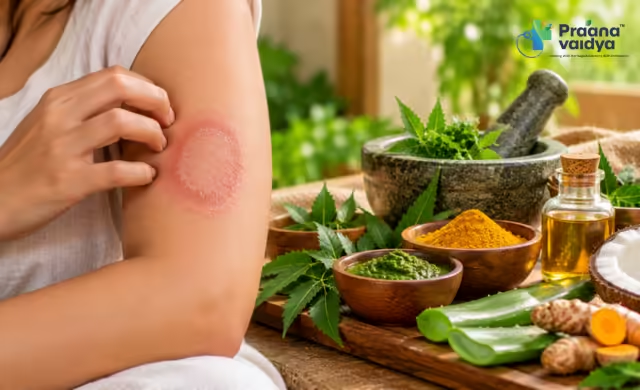
According to Ayurveda, aggravated Pitta Dosha may contribute to skin conditions characterised by heat and inflammation.
Some individuals with increased Pitta may experience:
- Acne
- Redness
- Rashes
- Increased skin sensitivity
- Burning sensations
However, every skin condition should be evaluated by a qualified healthcare professional because similar symptoms may have different medical causes.
Can Pitta Dosha Affect Digestion?
Balanced Pitta Dosha supports healthy digestion.
When aggravated, it may contribute to digestive discomfort such as:
- Acidity
- Heartburn
- Sour belching
- Burning sensation in the stomach
- Loose stools in some people
Ayurveda therefore pays close attention to digestive health while planning treatment.
Conclusion
Pitta Dosha plays a vital role in digestion, metabolism, body temperature, skin health, and mental clarity. When it remains balanced, it supports efficient physiological function and overall vitality. However, dietary habits, emotional stress, environmental factors, and lifestyle choices can disturb this balance, leading to symptoms associated with excess heat and inflammation.
Ayurveda approaches Pitta Dosha holistically by understanding the individual’s constitution, identifying the root cause of imbalance, and recommending personalised care through herbal medicines, Panchakarma therapies, diet, and healthy lifestyle practices.
At Praanavaidya, experienced Ayurvedic physicians provide comprehensive consultations to assess Pitta Dosha and develop individualised treatment plans based on each person’s unique health needs. If you frequently experience acidity, excessive body heat, inflammatory skin concerns, or other symptoms that may indicate a Pitta imbalance, consulting a qualified Ayurvedic physician can help you understand the most appropriate path toward restoring balance naturally.
Visit Us in-
Rajajinagar- 08065903133
Hubballi – 08065903145
Indiranagar- 08065903135
Mumbai-08065903118
Yelahanka- 08065903134
Mangaluru-08065903136
Chamrajpet-08065903132
Delhi-08065903140
Lucknow-08065903130
Frequently Asked Questions
Is Pitta Dosha bad?
No. Pitta Dosha is essential for healthy digestion, metabolism, vision, and mental clarity. Problems arise only when it becomes imbalanced.
How do I know if my Pitta Dosha is high?
Only a qualified Ayurvedic physician can accurately assess your Dosha through a detailed consultation. Symptoms alone are not sufficient for diagnosis.
Can diet alone balance Pitta?
Diet plays an important role, but some individuals may also require lifestyle changes, herbal medicines, or Panchakarma therapies depending on the severity of the imbalance.
Is Virechana suitable for everyone?
No. Virechana is recommended only after proper Ayurvedic evaluation and preparation under physician supervision.
Can stress increase Pitta Dosha?
According to Ayurveda, emotions such as anger, frustration, and excessive competitiveness may aggravate Pitta and contribute to imbalance.
Praanavaidya
Healthcare Professional
Focused on patient-centric care and evidence-based treatment plans.
More from Praanavaidya