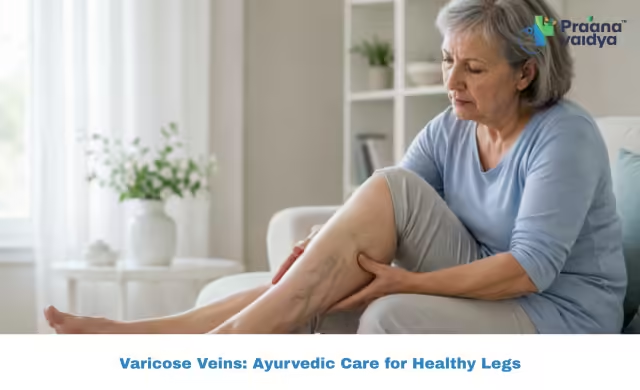
Varicose Veins are a common vascular condition that affects millions of people worldwide, especially as they grow older. While many people initially notice only enlarged or twisted veins beneath the skin, the condition can gradually progress to cause aching legs, swelling, heaviness, itching, skin discoloration, and reduced mobility if left unmanaged.
Age is one of the most significant risk factors for developing Varicose Veins, but it is not the only one. Genetics, prolonged standing, pregnancy, obesity, and lifestyle habits also contribute to the condition. From an Ayurvedic perspective, ageing naturally increases Vata Dosha, which can weaken the body’s tissues and affect healthy blood circulation, making older adults more susceptible to venous disorders.
At Praanavaidya, Ayurvedic physicians evaluate each patient individually and recommend personalised treatment plans that complement modern vascular care. The aim is to improve circulation, reduce symptoms, support vein health, and enhance overall quality of life through holistic management.
In this article, you’ll learn why Varicose Veins become more common with age, how Ayurveda understands the condition, available supportive therapies, and lifestyle measures that may help slow its progression.
What Are Varicose Veins?
Varicose veins are enlarged, swollen, and twisted veins that usually appear on the legs and feet. They develop when the tiny valves inside the veins become weak or damaged.
Normally, these valves ensure that blood flows upward toward the heart. When they fail to function properly, blood begins to pool inside the veins, increasing pressure and causing them to enlarge.
Although the condition may initially appear to be cosmetic, untreated Varicose Veins can become increasingly uncomfortable and may eventually lead to complications in some individuals.
Why Do Varicose Veins Become Worse With Age?
Growing older naturally affects the body’s blood vessels and connective tissues.
Several age-related changes contribute to the progression of Varicose Veins.
Reduced Elasticity of Veins
Healthy veins are flexible and elastic. As we age, the vein walls gradually lose elasticity, making it harder for them to maintain normal blood flow.
Weakening of Venous Valves
The small valves inside leg veins open and close thousands of times every day.
Over the years, these valves may weaken, allowing blood to flow backward and collect inside the veins.
Slower Blood Circulation
Ageing is often associated with reduced physical activity and slower circulation, increasing the likelihood of blood pooling in the lower limbs.
Natural Muscle Weakness
The calf muscles act as a “second heart” by helping pump blood back toward the heart.
Reduced muscle strength with ageing decreases this pumping efficiency, placing additional stress on leg veins.
Cumulative Lifestyle Factors
Long hours of standing, sedentary work, excess body weight, pregnancy history, and genetics all contribute over time, making symptoms more noticeable in later years.
Common Symptoms of Varicose Veins
Symptoms vary depending on severity.
Common signs include:
- Enlarged blue or purple veins
- Twisted veins beneath the skin
- Heaviness in the legs
- Aching or throbbing pain
- Burning sensation
- Swelling around the ankles
- Night-time leg cramps
- Itching over affected veins
- Skin darkening near the ankles
- Fatigue after prolonged standing
If symptoms worsen or ulcers develop, prompt medical evaluation is important.
Who Is More Likely to Develop Varicose Veins?
Several factors increase the risk.
These include:
- Increasing age
- Family history
- Pregnancy
- Obesity
- Standing for prolonged periods
- Sedentary lifestyle
- Female gender
- Previous leg injury
- Chronic constipation
Having one or more risk factors does not necessarily mean a person will develop the condition, but awareness allows earlier intervention.
How Ayurveda Understands Varicose Veins
In Ayurveda, Varicose Veins closely resemble a condition known as Siragranthi.
Classical Ayurvedic texts describe Siragranthi as enlarged, twisted, and weakened veins resulting from disturbances in Vata Dosha along with vitiation of Rakta (blood).
With advancing age, Vata naturally increases in the body.
When aggravated, Vata may contribute to:
- Poor circulation
- Dryness of tissues
- Weakening of vessel walls
- Reduced muscle tone
- Impaired movement of blood
The Ayurvedic approach aims to restore balance while supporting healthy circulation and vascular function.
Ayurvedic Therapies That May Support Vein Health
After a detailed consultation, an Ayurvedic physician may recommend therapies depending on the individual’s condition.
Siravyadha
Siravyadha is one of the classical Raktamokshana procedures described for selected vascular disorders.
It involves controlled therapeutic venesection performed only by trained physicians under appropriate clinical supervision.
Jaulakavacharana (Medicinal Leech Therapy)
Medicinal leech therapy is traditionally used in selected patients to support circulation and reduce local congestion.
Its suitability depends entirely on physician assessment.
Abhyanga
Therapeutic oil massage using medicated oils may help:
- Improve circulation
- Reduce stiffness
- Relax muscles
- Balance aggravated Vata
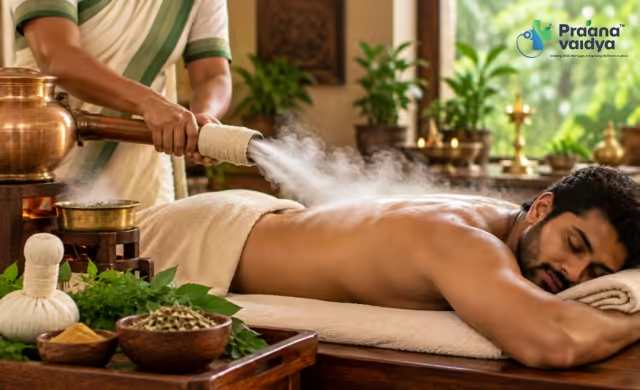
Swedana
Herbal steam therapy may complement massage by improving flexibility and relieving muscular tightness.
Virechana
For selected individuals, Virechana may be recommended as part of a broader Panchakarma programme to support overall balance according to Ayurvedic principles.
Conclusion
Varicose veins become more common with age because natural changes in vein elasticity, valve function, muscle strength, and circulation gradually affect blood flow in the legs. Although ageing cannot be stopped, understanding the risk factors and adopting healthy lifestyle habits can help reduce discomfort and support long-term vascular health.
From an Ayurvedic perspective, the condition is associated with aggravated Vata Dosha and disturbances in Rakta, with treatment focusing on restoring balance through personalised therapies, appropriate herbal medicines, dietary guidance, and lifestyle modifications.
At Praanavaidya, experienced Ayurvedic physicians provide comprehensive assessments and individualised care plans designed to complement conventional treatment and support overall well-being. If you have persistent leg pain, swelling, or visible enlarged veins, consult a qualified healthcare professional for an accurate diagnosis and timely management.
Visit Us At –
Rajajinagar- 08065903133
Hubballi – 08065903145
Indiranagar- 08065903135
Mumbai-08065903118
Yelahanka- 08065903134
Mangaluru-08065903136
Chamrajpet-08065903132
Frequently Asked Questions
Do varicose veins always worsen with age?
Not necessarily, but ageing increases the risk because veins gradually lose elasticity and valve function over time.
Can Ayurveda cure varicose veins?
Ayurveda aims to support circulation, reduce symptoms, and improve overall vascular health. Treatment recommendations vary according to the individual’s condition and should be guided by a qualified Ayurvedic physician.
Is surgery always necessary?
No. The appropriate treatment depends on the severity of the condition. Some individuals benefit from conservative management, while others may require medical or surgical intervention.
Can exercise help?
Yes. Walking and physician-approved exercises support circulation and strengthen the calf muscles that help pump blood back toward the heart.
Are Panchakarma therapies suitable for everyone?
No. Panchakarma therapies are recommended only after a detailed Ayurvedic consultation and clinical assessment.
Praanavaidya
Healthcare Professional
Focused on patient-centric care and evidence-based treatment plans.
More from Praanavaidya