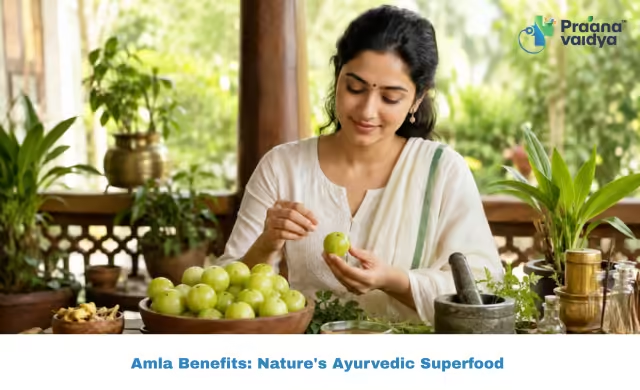
Amla benefits have been celebrated in Ayurveda for thousands of years, making this humble fruit one of the most respected natural remedies for overall health and longevity. Also known as Indian gooseberry (Amalaki), amla is much more than a rich source of vitamin C. Ayurveda considers it a powerful Rasayana—a rejuvenating food that nourishes the body, supports healthy aging, and promotes balance from within.
At Praanavaidya, amla is frequently included in personalized Ayurvedic treatment plans because of its ability to support digestion, immunity, skin health, and overall wellness naturally. Rather than relying solely on supplements, Ayurveda emphasizes the healing potential of whole foods like amla.
In this blog, we’ll explore the science and tradition behind amla benefits, how Ayurveda uses this remarkable fruit, and the best ways to include it in your daily routine.
What Is Amla?
Amla (Emblica officinalis or Phyllanthus emblica) is a small green fruit with a distinctive sour taste. It has been used in Ayurvedic medicine for over 3,000 years and is considered one of the most powerful rejuvenating fruits.
Ayurveda describes amla as:
- Rich in natural antioxidants
- Cooling in nature
- Nourishing for all body tissues
- Supportive of healthy digestion
- Beneficial for immunity and longevity
Amla is also one of the three ingredients in the famous Ayurvedic formulation Triphala.
Why Ayurveda Values Amla So Highly
Unlike many fruits that primarily provide vitamins, Ayurveda believes amla nourishes the body at multiple levels.
According to Ayurvedic principles, amla helps:
- Balance all three doshas (especially Pitta)
- Strengthen Agni without increasing heat
- Reduce Ama
- Support healthy tissues (Dhatus)
- Promote Ojas (vital energy)
- Encourage graceful aging
These qualities make amla one of Ayurveda’s most complete natural health foods.
Top Amla Benefits for Overall Health
1. Supports Healthy Immunity
One of the best-known amla benefits is its ability to support the immune system.
Amla naturally contains vitamin C along with numerous antioxidants that help protect the body’s cells from oxidative stress.
Regular consumption may help maintain a healthy immune response throughout the year.
2. Promotes Better Digestion
Ayurveda considers healthy digestion the foundation of wellness.
Unlike foods that increase digestive acidity, amla helps strengthen digestive fire (Agni) while maintaining balance.
It may support:
- Healthy appetite
- Comfortable digestion
- Better nutrient absorption
- Reduced bloating
- Healthy bowel movements
3. Helps Reduce Ama
Poor digestion leads to the accumulation of Ama, or metabolic waste.
Amla supports natural detoxification while encouraging proper digestion, making it valuable in Ayurvedic cleansing programs.
4. Supports Healthy Skin
Healthy skin reflects internal wellness.
One of the most appreciated amla benefits is its ability to nourish the skin from within.
It may help support:
- Healthy collagen production
- Natural skin glow
- Even complexion
- Healthy aging
- Protection against oxidative stress
Amla is commonly included in Ayurvedic skincare formulations.
5. Promotes Healthy Hair
Amla has long been used in traditional Ayurvedic hair care.
It is commonly found in:
- Hair oils
- Herbal shampoos
- Hair masks
- Herbal supplements
It may help support:
- Stronger hair
- Healthy scalp
- Natural shine
- Hair nourishment
6. Supports Eye Health
Classical Ayurvedic texts describe amla as beneficial for maintaining healthy vision.
Its antioxidant properties may help protect eye tissues while supporting long-term eye health.
7. Supports Liver Function
The liver plays a central role in metabolism and detoxification.
Amla contains plant compounds that support healthy liver function and help the body manage oxidative stress naturally.
8. Helps Maintain Heart Health
Research suggests that amla may help support cardiovascular wellness by promoting healthy cholesterol metabolism and protecting blood vessels through its antioxidant activity.
Ayurveda views heart health as closely linked to balanced digestion and healthy circulation.
9. Supports Healthy Blood Sugar Balance
Emerging research indicates that amla may help support healthy glucose metabolism as part of an overall balanced lifestyle.
However, it should never replace prescribed diabetes treatment.
10. Encourages Healthy Aging
Ayurveda classifies amla as a Rasayana, meaning a rejuvenating herb that promotes longevity and vitality.
Regular use under proper guidance may help maintain:
- Energy levels
- Tissue strength
- Mental clarity
- Healthy aging
- Overall resilience
Amla in Ayurveda: How It Works
Ayurveda explains the actions of amla through its unique properties.
Taste (Rasa)
Amla contains five of the six Ayurvedic tastes, making it exceptionally balanced.
Potency (Virya)
Cooling.
Post-digestive Effect (Vipaka)
Sweet.
These qualities help nourish tissues without aggravating internal heat.
Best Ways to Consume Amla
Ayurveda recommends several forms of amla depending on individual needs.
Common options include:
Fresh Amla
Best consumed during the season.
Amla Juice
Popular for supporting digestion and immunity.
Amla Powder
Can be mixed with warm water or honey under guidance.
Chyawanprash
A classical Ayurvedic formulation where amla is the primary ingredient.
Herbal Formulations
Many Ayurvedic medicines contain amla as a supporting herb.
Can Everyone Eat Amla?
Although generally considered safe as a food, some individuals should seek medical advice before consuming large amounts.
Consult your healthcare provider if you have:
- Frequent acidity
- Kidney disorders
- Blood-thinning medications
- Chronic medical conditions
- Pregnancy requiring dietary modifications
Moderation is always important.
Amla vs Vitamin C Supplements
Many people compare amla with synthetic vitamin C tablets.
Whole amla provides:
- Natural vitamin C
- Polyphenols
- Flavonoids
- Dietary fibre
- Multiple phytonutrients
These compounds work together naturally, making amla more than simply a vitamin C source.
Experience the Power of Ayurveda
The remarkable amla benefits described in Ayurveda continue to be supported by modern nutritional research. From strengthening digestion and immunity to promoting healthy skin, hair, and graceful aging, amla remains one of nature’s most valuable superfoods.
At Praanavaidya, our experienced Ayurvedic physicians create personalized treatment plans that combine time-tested herbs like amla with Panchakarma therapies, dietary guidance, and lifestyle recommendations to address the root cause of health concerns.
Book a consultation with our Ayurvedic experts to learn how amla and other traditional Ayurvedic therapies can support your long-term health naturally.
Visit Us At –
Rajajinagar- 08065903133
Hubballi – 08065903145
Indiranagar- 08065903135
Mumbai-08065903118
Yelahanka- 08065903134
Mangaluru-08065903136
Chamrajpet-08065903132
Frequently Asked Questions
Can I eat amla every day?
Many healthy adults can enjoy amla regularly as part of a balanced diet, but the ideal amount varies according to individual health needs.
Is fresh amla better than supplements?
Fresh amla provides a broad range of natural nutrients and plant compounds that supplements may not fully replicate.
Does amla improve digestion?
Yes. Ayurveda traditionally recommends amla to support healthy digestion while maintaining balanced Agni.
Can amla help with hair health?
Amla has been used for centuries in Ayurvedic hair care and is commonly included in herbal oils and formulations that support healthy hair and scalp.
Is amla good for immunity?
Yes. Supporting immunity is one of the most recognized amla benefits, thanks to its antioxidant profile and traditional Ayurvedic use.
Praanavaidya
Healthcare Professional
Focused on patient-centric care and evidence-based treatment plans.
More from Praanavaidya