When exploring Ayurvedic wellness therapies, one of the most common questions people ask is: dry massage vs oil massage—which one is better?
The answer depends on your body type, health concerns, and wellness goals. Ayurveda offers both Udvartana (dry massage) and Abhyanga (oil massage) as powerful therapies, but each serves a different purpose. While one is designed to stimulate, energize, and exfoliate the body, the other focuses on nourishment, relaxation, and rejuvenation.
At Praanavaidya, we recommend Ayurvedic therapies based on an individual’s dosha constitution, lifestyle, and health needs. Understanding the difference between dry massage vs oil massage can help you choose the therapy that best supports your overall well-being.
Dry Massage vs Oil Massage
The primary difference between dry massage vs oil massage lies in the technique and therapeutic goal.
- Dry massage (Udvartana) uses herbal powders to stimulate circulation, exfoliate the skin, and support Kapha balance.
- Oil massage (Abhyanga) uses warm medicated oils to nourish tissues, calm the nervous system, and support Vata balance.
Both therapies offer unique benefits and may be recommended at different stages of an Ayurvedic wellness program.
What Is Dry Massage in Ayurveda?
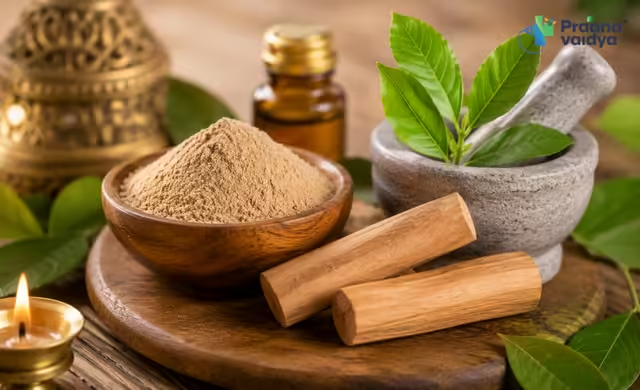
Dry massage, known as Udvartana, is a traditional Ayurvedic therapy performed using herbal powders instead of oils.
The massage is usually administered with firm, upward strokes that generate friction and stimulate the body’s surface tissues.
According to Ayurvedic principles, Udvartana helps reduce Kapha accumulation and promotes a feeling of lightness and vitality.
Benefits of Dry Massage (Udvartana)
Supports Healthy Circulation
The friction created by herbal powders helps stimulate blood and lymphatic circulation.
Exfoliates the Skin Naturally
Dry massage removes dead skin cells, leaving the skin smoother and refreshed.
Promotes a Feeling of Lightness
Many individuals report feeling more energized after an Udvartana session.
Supports Metabolic Activity
Udvartana is often included in Ayurvedic wellness programs aimed at supporting metabolic balance.
Helps Reduce Kapha Imbalance
The stimulating nature of dry massage makes it particularly beneficial for Kapha-dominant individuals.
What Is Oil Massage in Ayurveda?
Oil massage, or Abhyanga, is one of the most widely practiced Ayurvedic therapies.
The treatment involves applying warm medicated oils to the body using rhythmic massage techniques designed to nourish tissues and promote relaxation.
Ayurveda considers Abhyanga an important self-care practice for maintaining balance and supporting longevity.
Benefits of Oil Massage (Abhyanga)
Deeply Nourishes the Skin
Warm herbal oils moisturize and support healthy skin function.
Supports Joint and Muscle Comfort
Abhyanga may help ease stiffness and improve flexibility.
Promotes Relaxation
The calming effect of warm oil massage helps reduce stress and tension.
Encourages Better Sleep
Many people experience improved sleep quality after regular Abhyanga treatments.
Helps Balance Vata Dosha
Oil massage is particularly beneficial for individuals prone to dryness, anxiety, and nervous system imbalances.
Dry Massage vs Oil Massage: Key Differences
| Feature | Dry Massage (Udvartana) | Oil Massage (Abhyanga) |
| Medium Used | Herbal powders | Warm medicated oils |
| Primary Goal | Stimulation and exfoliation | Nourishment and relaxation |
| Best for Dosha | Kapha | Vata |
| Skin Effect | Exfoliating | Moisturizing |
| Energy Effect | Invigorating | Calming |
| Massage Style | Firm, upward strokes | Gentle, rhythmic strokes |
| Common Purpose | Body toning, circulation support | Stress relief, rejuvenation |
When Should You Choose Dry Massage?
Dry massage may be beneficial if you experience:
✓ Feelings of heaviness
✓ Sedentary lifestyle effects
✓ Dull or rough skin
✓ Excess Kapha tendencies
✓ Reduced circulation
✓ Desire for a more stimulating therapy
✓ Need for natural exfoliation
Individuals looking for a more energizing Ayurvedic treatment often prefer Udvartana.
When Should You Choose Oil Massage?
Oil massage may be more suitable if you experience:
✓ Dry skin
✓ Joint stiffness
✓ Muscle tightness
✓ Stress and anxiety
✓ Poor sleep quality
✓ Fatigue
✓ Vata imbalance
✓ General need for relaxation
At Praanavaidya, Abhyanga is commonly recommended for individuals seeking deep relaxation and nervous system support.
Dry Massage vs Oil Massage for Weight Management
One of the most common questions regarding dry massage vs oil massage is which therapy is better for weight management.
In Ayurveda, Udvartana is traditionally favored in wellness programs designed for Kapha-related concerns because its stimulating nature supports circulation and metabolic activity.
However, weight management is influenced by multiple factors, including:
- Diet
- Physical activity
- Digestion
- Sleep quality
- Stress levels
Massage therapies work best when combined with a comprehensive Ayurvedic wellness plan.
Dry Massage vs Oil Massage for Stress Relief
When it comes to reducing stress, Abhyanga is generally the preferred therapy.
The warm oils and rhythmic strokes help:
- Calm the nervous system
- Promote relaxation
- Support restful sleep
- Reduce muscle tension
For individuals experiencing burnout, anxiety, or mental fatigue, oil massage often provides greater relaxation benefits than dry massage.
Can Dry Massage and Oil Massage Be Combined?
Yes. Ayurveda often combines therapies strategically.
For example:
Step 1: Udvartana
Used to stimulate circulation and reduce Kapha accumulation.
Step 2: Abhyanga
Used afterward to nourish tissues and restore balance.
The combination may provide both invigorating and rejuvenating benefits when prescribed appropriately.
Conclusion
When comparing dry massage vs oil massage, the best choice depends on your body’s unique needs. If you’re seeking stimulation, exfoliation, and Kapha-balancing benefits, Udvartana may be the ideal option. If your goal is nourishment, relaxation, and nervous system support, Abhyanga is often the preferred therapy.
At Praanavaidya, we believe Ayurvedic treatments work best when tailored to the individual. Through personalized assessments and authentic Ayurvedic therapies, we help guide you toward the treatment that best supports your long-term health and wellness journey.
Visit Us At –
Rajajinagar- 08065903133
Hubballi – 08065903145
Indiranagar- 08065903135
Mumbai-08065903118
Yelahanka- 08065903134
Mangaluru-08065903136
Chamrajpet-08065903132
Frequently Asked Questions
What is the difference between dry massage vs oil massage?
Dry massage uses herbal powders to stimulate and exfoliate the body, while oil massage uses warm medicated oils to nourish tissues and promote relaxation.
Is Udvartana better than Abhyanga?
Neither is universally better. Udvartana is ideal for stimulation and Kapha balance, while Abhyanga is better for relaxation and Vata balance.
Can dry massage help improve skin texture?
Yes. Dry massage naturally exfoliates the skin and may help improve its appearance and smoothness.
Is oil massage good for stress relief?
Yes. Abhyanga is widely used in Ayurveda to support relaxation, reduce stress, and promote better sleep.
Can I receive both therapies?
Yes. Many Ayurvedic wellness programs incorporate both therapies depending on individual needs and treatment goals.
Praanavaidya
Healthcare Professional
Focused on patient-centric care and evidence-based treatment plans.
More from Praanavaidya